
Designing a dedicated creative workspace inside your home requires balancing technical performance with environmental aesthetics. As remote creative work evolves, the laptop screen has transformed from a secondary panel into the central command hub of the home office. Creators editing high-dynamic-range video, color-grading architectural photos, or rendering 3D environments face a pivotal screen hardware choice: Mini LED or Tandem OLED.
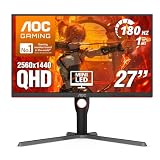
This decision extends beyond mere pixels. A high-brightness display alters ambient room lighting, impacts desk thermal comfort, influences energy draw, and affects your physical setup ergonomics. While a stationary home studio might include an auxiliary display like the AOC 27 Inch Gaming Monitor QHD 180Hz Mini-LED HDR1000, Q27G3XMN ($229.99) or connect to a living room setup featuring the Samsung 55-Inch Class M70H Series, Mini LED, 4K, Smart TV, 2026 Model ($299.99), your laptop screen serves as your mobile primary reference monitor. Premium creative workhorses—such as the Lenovo Yoga Pro 9i, Ultra 9, RTX 5060, 32GB RAM, 1TB SSD, 3.2K Tandem OLED ($3399.99)—highlight how cutting-edge panel choices shape the total footprint, weight, and visual experience of high-end home creative systems.
As an Amazon Associate we earn from qualifying purchases at no extra cost to you.


Top 3 picks at a glance
Quick Verdict
Choose Mini LED if your home office is flooded with natural sunlight, you work extensive hours with static editing software interfaces, and you prioritize maximum full-screen sustained brightness without thermal throttling. Mini LED panels utilize thousands of microscopic LED backlights to push sustained luminance over 1,000 nits, making them impervious to burn-in and ideal for sun-drenched sunrooms or bright loft spaces.
Choose Tandem OLED if you work in controlled or lower-light room environments, demand true black levels without haloing around white text or color palettes, and value a thinner, lighter laptop chassis. By stacking two organic light-emitting layers on top of each other, Tandem OLED resolves historical single-layer OLED brightness and longevity limitations while maintaining perfect per-pixel illumination control and superior off-axis color fidelity.
Side by Side
| Feature | Mini LED | Tandem OLED |
|---|---|---|
| Visual & Thermal Comfort | High brightness output; emits moderate localized heat under max HDR load. | Cooler surface temperatures; exceptional contrast reduces eye fatigue in dim lighting. |
| Durability & Lifespan | Inorganic backlights offer an estimated 60,000+ hour operational lifespan with zero burn-in risk. | Dual-stacked organic layers double expected panel life compared to single-layer OLEDs (approx. 40,000+ hours). |
| Price Range (Laptops) | $1,800 – $3,200 | $2,400 – $4,200 |
| Maintenance & Care | Requires standard glass or matte screen cleaners; tolerant of static UI elements. | Benefits from built-in pixel shifting software and standard micro-fiber dust maintenance. |
| Space & Weight Needed | Slightly thicker panel assembly (approx. 3.5–4.5 mm); increases laptop weight by 0.3–0.5 lbs. | Ultra-thin panel profile (approx. 1.8–2.5 mm); enables sleeker, lighter laptop chassis designs. |
| Aesthetics & Look | Bold, punchy highlights; minor blooming visible around high-contrast objects in dark rooms. | Flawless ink-black contrast; crisp edge-to-edge uniformity with zero backlight bleed. |
| Resale Value Retention | Strong long-term retention due to perceived immunity to display degradation. | High retention among modern digital artists and photo editors seeking ideal color uniformity. |
| Best For | Sunlit offices, heavy timeline video editing, static CAD modeling, continuous bright HDR workflows. | Color grading, photo retouching, cozy dark-mode studios, mobile creators, evening workflows. |
Where Mini Led Wins
Mini LED technology excels in brightness, structural durability, and sustained high-load stability. Instead of relying on a single edge-lit LED bar or standard direct-lit array, Mini LED displays squeeze thousands of sub-millimeter light sources behind an LCD matrix. These are grouped into localized dimming zones—often between 1,000 and 2,500 individual zones on a 16-inch laptop panel.
The primary advantage for a home creator is ambient light tolerance. If your desk faces east-facing morning windows or sit under overhead recessed spotlights, Mini LED screens effortlessly cut through harsh reflections. They sustain 1,000 to 1,600 nits of full-screen HDR brightness without dropping output to manage thermal limits. This makes Mini LED the premier choice for video editors working on full-screen HDR mastering where bright highlights dominate the frame.
Furthermore, Mini LED utilizes inorganic gallium nitride components. Because the light source does not degrade unevenly when displaying static imagery, you can leave video editing timelines, color grading wheels, and desktop toolbars locked in place for ten hours a day without concern. For creators whose laptops double as semi-permanent desktop replacements sitting on a riser, Mini LED offers total peace of mind regarding display longevity.
Where Tandem Oled Creator Laptop Displays Wins
Tandem OLED represents a major structural advancement in display design. Traditional single-layer OLED displays produce light through a single organic emissive layer, which limits maximum panel brightness and accelerates pixel wear if pushed hard. Tandem OLED stacks two distinct RGB emissive layers in series. This dual-layer architecture delivers double the peak brightness—reaching up to 1,000 to 1,400 nits in localized windows—while distributing the electrical load across two layers. Consequently, power efficiency improves, temperature drops, and panel longevity increases dramatically.
In a home design context, Tandem OLED enables noticeably thinner laptop forms. Eliminating the bulky diffuser sheets, quantum dot layers, and dense LED backplates required by Mini LED reduces panel thickness by up to 50 percent. This sheds nearly half a pound from the laptop overall, yielding a sleek device that rests gracefully on minimalist timber or floating glass desks.
Visually, Tandem OLED provides absolute pixel-level precision. Because every individual pixel turns off completely, black levels are absolute (0.000 nits). When editing dark photographic scenes, fine graphic line-art, or nighttime cinematography, there is zero “blooming” or haloing around white cursor arrows, text elements, or isolated bright objects. Furthermore, off-axis viewing angles are immaculate; colors retain exact hue and saturation even when viewing the laptop screen from a severe side angle during collaborative client reviews in your home office.
Cost Over 5 Years
When assessing total cost of ownership across a typical five-year creative hardware lifecycle, factors extend beyond the initial sticker price to include energy consumption, panel degradation, and residual resale value.
- Initial Laptop Purchase Price: Premium Mini LED laptops generally range from $1,800 to $3,200. Tandem OLED creator laptops command a higher luxury baseline, typically spanning $2,400 to $4,200 depending on CPU/GPU configurations.
- Power Draw & Electricity: Mini LED backlights draw significant power when local dimming zones operate at high brightness, consuming roughly 18 to 35 watts under peak creative loads. Tandem OLED panels draw less power during standard dark-mode UI tasks (10 to 22 watts), as dark pixels consume zero power. Over five years of 8-hour daily usage, energy cost differences remain small ($25 to $60 depending on local electrical rates), but lower power draw translates to extended battery runtime when working away from your home desk.
- Maintenance & Component Wear: Mini LED panels experience virtually no visual degradation over five years, maintaining 95%+ of their initial brightness output. Modern Tandem OLED panels are designed to retain over 85% to 90% of their initial peak luminance over a five-year lifespan, thanks to reduced drive currents per layer.
- Estimated Resale Value: After 5 years, a high-spec Mini LED laptop retains approximately 30% to 35% of its original purchase price due to its proven backlight stability. A Tandem OLED laptop retains 32% to 38%, held in high demand by digital artists who seek pristine contrast ratios on the secondary market.
Which One for Your Home
Small Apartment
In compact living spaces or multi-purpose studio apartments where your workspace shares room with your living area, Tandem OLED is the clear winner. Its thin profile minimizes physical clutter, and its lack of light bleed prevents the laptop from acting as an overpowering lamp in a darkened living room during evening work sessions. The absolute contrast makes dark-mode software interfaces easy on your eyes when working late hours close to sleeping areas.
Family with Kids/Pets
In active households where laptops might sit unattended on kitchen islands or shared dining tables, Mini LED offers superior practical durability. If a child leaves the laptop turned on with a static video timeline or pause screen for hours, a Mini LED panel suffers no risk of image persistence or burn-in. Additionally, the higher sustained screen output compensates for erratic, direct sunlight flowing through open shared living spaces.
Rental
Renters often cannot install custom window treatments or control ambient room lighting with light-blocking blinds. Mini LED displays handle unpredictable rental lighting situations best, providing brightness levels that easily overpower high ambient glare from unshaded windows or fixed overhead fluorescent fixtures.
Long-Term Home
For dedicated home offices with custom ambient lighting, solid wood desks, and ergonomic monitor arms, Tandem OLED provides the ultimate aesthetic and technical experience. Integrating seamlessly alongside high-end furniture, a Tandem OLED display delivers reference-grade color fidelity for serious creative professionals who control their workspace lighting with dimmable architectural fixtures.
FAQ
Does Tandem OLED solve the traditional OLED burn-in issue?
Yes, to a significant extent. Stacking two organic light-emitting layers splits the voltage and light-generation burden in half across each layer. Operating at lower individual electrical currents drastically reduces thermal stress—the main driver of OLED degradation—making burn-in extremely unlikely under standard creative software usage.
Is Mini LED too bright or warm for a small home office setup?
Mini LED panels can generate subtle heat under continuous 1000+ nit HDR output, but built-in cooling systems direct this heat away from the user. You can easily adjust screen brightness down for low-light room settings, though subtle blooming around high-contrast objects may remain noticeable in pitch-black rooms.
How do laptop panels compare to dedicated external desktop monitors?
High-end laptop displays feature much higher pixel densities (often 220+ pixels per inch) than standard external monitors. While a dedicated desktop monitor offers a larger canvas, top-tier Mini LED and Tandem OLED laptop screens match or exceed the color gamut coverage (100% DCI-P3) and contrast specifications found in expensive professional reference displays.
Which screen technology uses less battery during high-brightness editing?
When running software with dark backgrounds or dark user interface themes, Tandem OLED uses less battery. However, if you are displaying full-screen bright white documents, spreadsheets, or bright video footage at maximum brightness, Mini LED proves more power-efficient across high-luminance full-field scenes.
Related guides
- Alienware 16 Aurora RTX 5070 Review: Display, Portability and Configuration Gaps
- Lenovo Legion Pro 7i Gen 10 Review: 64GB RAM and Dual-SSD Configuration
- MSI Katana 15.6-inch RTX 5050 Review: Configuration Strengths and Upgrade Unknowns
- ASUS ROG Strix SCAR 16 G635LX-XS97 Review: Display Ambition, Upgrade Questions


