Our Top Picks
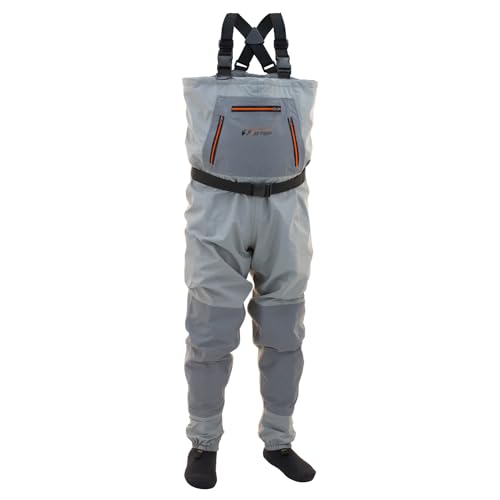 FROGG TOGGS Hellbender Breathable Waterproof Stockingfoot Fishing ChestLarge5 x 5 x 0.7 inches3.05 poundsCheck on Amazon

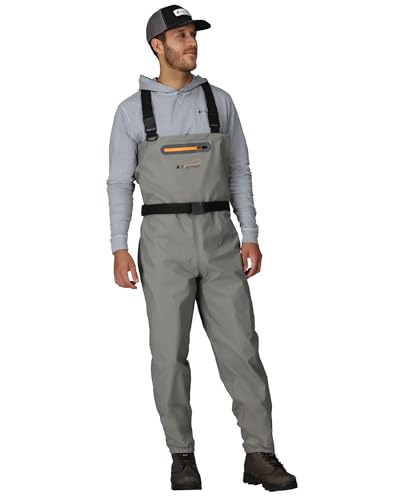
Top 3 picks at a glance
Best Fly Fishing Waders: Reviews and Buying Guide
The best fly fishing waders for most anglers are breathable stockingfoot waders with fully taped seams, a properly fitted waist, adjustable suspenders, and enough storage for tippet and tools; choose neoprene instead when cold water, winter conditions, or frequent shore sitting matters more than lightweight comfort.
This best fly fishing waders reviews guide compares the features that affect real use: fabric, seam construction, sizing, pocket design, boot options, warranty coverage, and cold-weather performance. Product names are included as reference points, but the right choice depends on your conditions and fit more than on the logo.
As an Amazon Associate we earn from qualifying purchases at no extra cost to you.


Quick comparison: which waders fit your fishing?
| Fishing situation | Best material and design | Useful features | Typical market range |
|---|---|---|---|
| Warm summer rivers and long hikes | Three- or four-layer breathable stockingfoot | Light fabric, waist belt, zippered chest pocket, low bulk | Usually $200–$450 |
| All-season trout and steelhead fishing | Durable breathable wader with reinforced lower legs | Handwarmer pockets, large storage pockets, replaceable suspenders | Usually $350–$700 |
| Very cold water or winter surf | Neoprene, commonly 3.5–5 mm | Room for insulation, built-in gravel guards, sturdy boots | Usually $150–$350 |
| Technical terrain and heavy brush | Heavy-duty breathable fabric with reinforced panels | Articulated knees, abrasion panels, durable belt system | Usually $450–$900 |
Breathable vs. neoprene waders
Breathable waders: the better all-purpose option
Breathable waders use a waterproof membrane that allows some water vapor to escape. They are lighter, less restrictive, and more comfortable when hiking, climbing banks, or fishing in changing temperatures. Their main limitation is that the membrane does not create warmth by itself. In cold conditions, warmth comes from the clothing worn underneath.
Three-layer breathable construction usually offers a good balance of weight and durability. Four-layer construction typically adds abrasion resistance and is worth considering if you frequently walk through willows, alder, rocks, or dense shoreline vegetation. Breathability also depends on conditions: high humidity, heavy rain, and saturated base layers can make even premium waders feel clammy.
Examples of well-known breathable designs include the Simms G4Z, Patagonia Swiftcurrent Expedition, Orvis PRO, and comparable four-layer models from other established manufacturers. Features and current versions can change, so compare the present specification and warranty before buying.
Neoprene waders: warmer, heavier, and more specialized
Neoprene is naturally insulating and remains a strong choice for icy rivers, late-season waterfowl-style conditions, surf casting, and anglers who spend long periods standing still. Thickness matters:
- 3.5 mm: a versatile cold-water option with manageable weight.
- 5 mm: warmer for winter use, but noticeably bulkier and more tiring on long walks.
- Thinner neoprene: useful where mobility matters, but less suitable for prolonged exposure to very cold water.
Neoprene does not automatically make a wader safer. A loose fit, inadequate layers, or water entering through a damaged seam can still create a dangerous situation. In moving water, use a wading belt and avoid entering water deeper or faster than you can safely manage.
Seam construction: the detail that controls longevity
Most wader failures begin at seams, punctures, or attachment points rather than in the middle of an intact fabric panel. Look for seams that are stitched and then covered with waterproof tape on the inside. A taped seam is generally more reliable than stitching alone because needle holes and thread paths are sealed.
- Fully taped seams: the preferred choice for primary waterproofing.
- Welded seams: can reduce needle holes and are useful in some constructions, but workmanship and material quality still matter.
- Reinforced seat and knees: valuable if you kneel, sit on rocks, or frequently crawl through brush.
- Seam placement: fewer seams in high-flex areas can reduce stress and chafing.
- Integrated gravel guards: help keep grit away from the boot-foot connection, where abrasion can create leaks.
If choosing between a lighter wader with minimal reinforcement and a slightly heavier model with protected knees, seat, and lower legs, the reinforced model is usually the better value for rugged terrain.
Getting the size right: use measurements, not height alone
Wader sizing is more complicated than buying ordinary trousers. You need enough room for a base layer and insulating layer without creating folds that rub or restrict movement.
- Measure chest, waist, inseam, and shoe size while wearing the heaviest layer you expect to use.
- Compare those measurements with the manufacturer’s actual chart, not a universal “medium” or “large.”
- Check the crotch and seat by performing a deep squat and lifting one knee at a time.
- Raise both arms and rotate your torso. The suspenders should not pull the chest section downward.
- Walk in place and flex your ankles. Excess fabric should not bunch sharply behind the knees or at the ankles.
A little extra room is useful for winter layering, but sizing up too far can create internal folds. Those folds rub against themselves and may wear the membrane faster. If your measurements fall between sizes, prioritize chest and inseam fit, then use adjustable suspenders and a belt to control the waist.
Pockets and closures: compare access, not just capacity
Chest pockets are most useful when their contents remain accessible while your jacket is zipped and your rod is in hand. A waterproof or water-resistant zippered pocket protects licenses, phone-sized electronics, and leaders better than an open fleece pouch, but no pocket should be treated as permanently waterproof unless the manufacturer specifically says so.
Handwarmer pockets are valuable in cold weather, especially when positioned above the waist belt. Their usefulness drops if a large chest pack covers them. Look for drainage or mesh lining if you routinely wade deep or fish in rain.
A front zipper can make changing and emergency access easier, but it adds weight, cost, and another potential failure point. Non-zip models are often simpler and lighter. A zip-front design is most worthwhile for anglers who fish long days, layer heavily, or find conventional chest waders difficult to put on.
Stockingfoot or bootfoot?
Stockingfoot
Stockingfoot waders use neoprene socks and require separate wading boots. They provide the widest choice of felt-free rubber, stud-compatible, and synthetic-felt alternatives where legally permitted. Separate boots also make it easier to replace worn footwear without replacing the waders.
Bootfoot
Bootfoot waders attach the waterproof trousers to an integrated boot. They are convenient, often warmer, and can be less expensive as a complete setup. The trade-off is less precise fit, greater bulk, and the need to replace the entire wader if the boot-foot connection or trousers fail. Bootfoot models are particularly practical for cold, muddy environments and short-access fishing rather than long hikes.
Cold-weather setup: a simple way to choose insulation
Do not choose neoprene solely from the forecast air temperature. Water temperature, wind, time spent standing still, and the amount of walking all matter. As a starting point, use this decision guide:
| Water and activity | Starting setup | Why |
|---|---|---|
| Above 55°F / 13°C, active hiking | Breathable wader plus synthetic or merino base layer | Limits overheating and sweat buildup |
| 45–55°F / 7–13°C, mixed movement | Breathable wader plus midweight fleece or synthetic insulation | Balances warmth while retaining mobility |
| Below 45°F / 7°C, prolonged standing | Thick breathable layering or 3.5–5 mm neoprene | Reduces conductive heat loss during inactivity |
For example, if a breathable wader has no insulation and your base layer provides roughly one light layer of warmth, adding a fleece midlayer is more flexible than moving immediately to 5 mm neoprene. You can remove the fleece while hiking, then put it back on when stationary. Choose neoprene when you need the insulation built into the wader and accept the added weight.
Warranty coverage and repairability
Warranty length is useful, but the coverage wording matters more. Check whether the policy covers seam tape, suspender hardware, boot-foot connections, and manufacturing defects separately. Damage from hooks, barbed wire, thorns, burns, and improper storage is commonly excluded.
A repair service or authorized patch program can be more valuable than a longer headline warranty. Before purchase, confirm:
- Whether repairs are available after the warranty period.
- Whether you must ship the waders to a regional service center.
- Whether replacement suspenders, belts, gravel guards, and socks are available.
- Whether the warranty applies to the original purchaser only.
Rinse waders with clean water after use, dry them completely inside and out, and store them loosely rather than tightly compressed. Never put wet waders away in a sealed container. These habits reduce mildew, odor, seam-tape deterioration, and unnecessary warranty claims.
Frequently asked questions
Can I wear breathable waders in cold water?
Yes, if you add suitable insulating layers underneath. Breathable waders provide little warmth on their own, so choose layers based on water temperature, wind, and how active you’ll be. A fleece midlayer is flexible for changing activity; neoprene is an option when you need insulation built into the wader and can accept extra weight.
Are wader pockets waterproof enough for my phone?
Not necessarily. A water-resistant or waterproof zippered pocket offers more protection than an open fleece pouch, but the article advises not treating any pocket as permanently waterproof unless the manufacturer specifically says so. Consider keeping electronics protected separately, especially when wading deep or fishing in rain.
How can I tell whether waders fit before buying?
Compare your chest, waist, inseam, and shoe measurements with the manufacturer’s size chart, wearing the layers you expect to use. Check the fit by squatting, lifting each knee, raising your arms, rotating your torso, and flexing your ankles. The suspenders should not pull the chest section down, and fabric should not bunch sharply behind the knees or at the ankles.
Do I need separate wading boots with stockingfoot waders?
Yes. Stockingfoot waders have neoprene socks and require separate wading boots. That gives you a choice of boot types, including felt-free rubber, stud-compatible, and synthetic-felt alternatives where legally permitted. Separate boots can also be replaced without replacing the waders when the footwear wears out.
What should I check in a wader warranty?
Read the coverage wording, not just the warranty length. Check whether seam tape, suspender hardware, boot-foot connections, and manufacturing defects are covered separately. Repairability also matters: separate boots on stockingfoot waders can be replaced without replacing the waders, while a failure at a boot-foot connection may require replacing the entire bootfoot wader.
Final buying recommendation
Choose a breathable stockingfoot model with fully taped seams and reinforced lower legs if you fish varied seasons or hike between spots. Choose a lighter breathable model if summer mobility is your priority. Choose 3.5–5 mm neoprene when cold-water warmth and stationary fishing outweigh breathability. Choose bootfoot construction for convenience and warmth; choose stockingfoot when fit, walking comfort, and replaceable boots matter most.
Among recognizable premium reference models, the Simms G4Z, Patagonia Swiftcurrent Expedition, and Orvis PRO represent the durable breathable category. The best purchase, however, is the model whose size chart accommodates your layering plan, whose pocket layout works with your pack, and whose repair policy you can actually use.