The best vacuum mop combos depend on your floors: choose a corded model for unlimited cleaning on large hard-floor areas, a cordless model for mixed everyday messes and stairs, or a robot combo for routine maintenance with minimal effort.
As an Amazon Associate we earn from qualifying purchases at no extra cost to you.



Our Top Picks


Top 3 picks at a glance
Quick choice: which type fits your home?
| Your situation | Best choice | Why | Main compromise |
|---|---|---|---|
| Mostly sealed tile, vinyl, or stone; large area; frequent spills | Corded vacuum mop | Continuous power, strong wet pickup, and no charging delay | Limited by cable length and less convenient storage |
| Mixed hard floors, pets, children, stairs, or spot cleaning | Cordless vacuum mop | Fast to grab, easy to steer, and usually offers automatic water and suction control | Runtime and tank capacity are limited |
| Mostly open-plan hard flooring and a consistent daily schedule | Robot vacuum mop | Automated vacuuming, mapping, and scheduled mopping | Less effective on corners, stairs, thick rugs, and heavy wet messes |
| Large home with delicate flooring and occasional spills | Cordless model plus a robot | The robot handles dust while the handheld machine handles real-time messes | Higher total cost and two maintenance routines |
How floor type changes the decision
Tile and sealed stone
Tile is the easiest surface for a vacuum mop combo because it tolerates more water than most wood products. A roller-based machine can collect crumbs, dried food, muddy footprints, and liquid in one pass. Choose a model with a roller that reaches close to both side edges if your kitchen has cabinets or grout lines near the wall.
For textured tile, suction and agitation matter more than a glossy floor finish. A robot can maintain loose dirt, but its mop pads may leave grout recesses damp or dirty. For regularly tracked-in soil, a cordless or corded roller machine is usually the better primary cleaner.
Luxury vinyl and laminate
Sealed luxury vinyl generally works well with a vacuum mop, provided the manufacturer allows wet cleaning. Laminate requires more caution: use the lowest effective water flow, avoid leaving the floor visibly wet, and run a dry pass when available. Excess moisture at damaged seams can cause swelling that a powerful vacuum cannot repair.
A robot is useful on these floors when its water control is conservative and its mop lifts automatically for rugs. If the robot drags wet pads across an unsealed laminate area, it may create more risk than convenience.
Sealed hardwood
Hardwood is compatible only when the finish is intact and wet cleaning is approved for the floor. Select a machine with adjustable water delivery, soft roller material, and a drying or self-cleaning cycle. Do not use a “maximum water” setting simply because the floor looks dirty; loosened grit can scratch the finish, while excess water can enter seams.
Robot mops are best for light maintenance on sealed hardwood, not for sticky spills or large liquid accidents. Their circular or narrow pad movement can distribute a spill rather than remove it.
Rugs and carpet
Most upright vacuum mop machines are designed primarily for hard floors. They may cross a low-pile rug, but wet rollers and carpet fibers are a poor combination unless the product specifically provides a dry vacuum mode. Robot combos are more flexible when they can lift the mop pads or avoid carpet zones, but verify the lift height against your rug pile.
Corded versus cordless versus robot: the practical differences
Corded models
Corded machines, including products such as the Bissell CrossWave HydroSteam, are the sensible choice when a long cleaning session would exhaust a battery. Their continuous power is useful for kitchens, entryways, and homes with several hard-floor rooms. They also avoid the gradual performance reduction that can occur as a cordless battery gets low.
Expect to empty the dirty tank during a substantial cleaning session. The cable can catch on furniture, and the machine usually needs to be carried between floors. Edge performance varies: a roller that sits centrally may leave a narrow strip along baseboards.
Cordless models
Cordless machines such as the Tineco Floor One S7 Pro and Dreame H12 Pro are convenient for everyday spills because they combine a clean-water tank, dirty-water tank, roller, and suction path in one appliance. Their sensors can adjust water and suction as the machine detects more debris or moisture.
Published runtime claims are normally measured under favorable conditions. A useful planning estimate is:
Usable cleaning time = advertised runtime × 0.70 to 0.85.
For example, a model advertised at 35 minutes may provide about 25–30 minutes of practical cleaning after accounting for higher-power use, turning, pauses, and edge passes. If your hard-floor area takes 20 minutes, that leaves only 5–10 minutes of reserve. That is adequate for routine maintenance, but not generous for a large home with a muddy entryway.
Robot vacuum mop combos
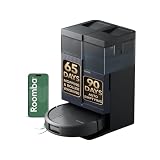
Robot combos are strongest at frequency rather than intensity. A robot that runs every day can prevent dust, pet hair, and crumbs from accumulating. Current premium systems from brands such as Roborock, Dreame, and Ecovacs may include room mapping, automatic emptying, mop washing, water refilling, and heated or forced-air mop drying.
They remain weaker at staircases, tight corners, chair legs, thick thresholds, and large wet spills. A docking station also needs usable floor space, access to water and drainage on compatible systems, and enough clearance for the robot to return reliably.
Edge cleaning, tanks, and maintenance
| Feature | Useful target | What it changes in daily use |
|---|---|---|
| Clean-water tank | 650–900 ml for cordless; 800 ml or more for corded | Fewer refills, though heavily soiled floors still consume water quickly |
| Dirty-water tank | 500–800 ml | More capacity before emptying, especially after pet or muddy-floor cleanup |
| Battery runtime | 30–45 minutes advertised | Usually enough for roughly 20–35 minutes of practical cleaning |
| Dock drying | Warm-air or forced-air drying | Reduces odor and the chance of a damp roller remaining overnight |
| Edge reach | Roller or brush within about 5 mm of one side | Leaves less uncleaned strip along cabinets and baseboards |
Tank size is not the same as cleaning coverage. Dirty water, foam, and debris reduce usable capacity, while textured floors require more passes. As a rough planning example, if a machine uses 100–150 ml of clean water per 10 square meters during normal cleaning, a 700 ml tank may cover approximately 45–70 square meters before a refill. Heavy soil, higher water flow, and repeated passes can cut that area substantially.
Edge cleaning deserves a separate check because many machines clean well in the center of a room but leave a visible wet or dry strip beside walls. Look for an asymmetric roller, side brush, or published description of one-sided edge cleaning. A robot’s side brush can pull dry debris from a wall, but its mop pad may still stop short of the baseboard.
Performance with common everyday messes
- Dry crumbs: All three categories can handle them, but a robot is convenient when the crumbs are spread across open rooms. Use a dry vacuum pass before wet cleaning if the crumbs are abundant.
- Cereal and larger food pieces: A cordless or corded roller machine is safer because it can pick up the material immediately. Check the intake after cleaning; large pieces can lodge near the roller.
- Milk, juice, and soup: Use a wet-floor mode and make slow overlapping passes. A robot is not the right first response to a large spill.
- Dried sauce: Let the roller dwell over the spot for several seconds, then make a second pass. Extra suction alone is less useful than agitation and adequate contact time.
- Pet hair: Robots are effective for daily loose hair, while upright combos are better when hair is mixed with wet dirt. Remove wrapped hair from the roller after every substantial session.
- Mud: Allow thick mud to partially dry or remove the largest clumps first. Otherwise, the roller and dirty-water path can clog quickly.
Maintenance that determines whether the machine stays useful
After every wet cleaning session, empty the dirty tank, rinse its filter and separator, and remove hair from the roller. Run the self-cleaning cycle only after large debris has been removed; a cycle is not a substitute for clearing a blocked intake. Leave the tank lid open while components dry.
For robots, inspect the mop pads, washboard, dock tray, side brush, and wheel wells weekly in a pet-heavy home. Replace filters and rollers according to the manufacturer’s schedule, or sooner if suction falls, odor persists, or the roller leaves streaks. Heated drying reduces moisture but does not eliminate the need to clean the dock.
Frequently asked questions
Can I use one vacuum mop combo throughout my home?
Possibly, if your floors are compatible with wet cleaning and you manage water carefully. Tile and sealed stone tolerate more water than wood products; laminate needs low water flow and should not be left visibly wet. Most upright combos are mainly for hard floors, so check for a dry vacuum mode before using one on rugs or carpet.
Will a robot vacuum mop handle a large spill or sticky mess?
No; the article recommends using a cordless or corded roller machine for immediate cleanup of large spills and sticky messes. Robot combos are better for frequent light maintenance, such as dust, pet hair, and crumbs. Their mop pads can spread a spill rather than remove it, so they are not the right first response to a large liquid accident.
What should I do before cleaning up thick mud or lots of crumbs?
Remove the largest mud clumps first or let thick mud partially dry, because it can clog the roller and dirty-water path. If crumbs are abundant, make a dry vacuum pass before wet cleaning. After cleaning cereal or other large food pieces, check the intake because pieces can lodge near the roller.
What should I check before buying a robot combo for rugs and room edges?
Check whether the robot lifts its mop pads or can avoid carpet zones, and compare the lift height with your rug pile. For edges, a side brush can pull dry debris from a wall, but the mop pad may still stop short of the baseboard. Also allow floor space and enough clearance for the robot to return to its docking station.
Bottom line
Among the best vacuum mop combos, corded models offer the most dependable long-session performance, cordless models provide the best balance for active households, and robot combos deliver the greatest convenience for scheduled maintenance. Match the machine to the floor’s moisture tolerance first, then compare edge reach, practical runtime, tank capacity, and how much cleaning you are willing to do after the cleaning.