The best premium PEMF therapy devices for pain relief and recovery are full-body mat systems such as the iMRS Prime or HealthyLine Platinum when coverage and programmability matter most, while the Oska Pulse is the better fit for portable, targeted use.
PEMF—pulsed electromagnetic field therapy—uses changing magnetic fields rather than heat, electrical stimulation, or massage. Some people report reduced pain, improved relaxation, or easier recovery, but clinical evidence is mixed and results vary by condition, device strength, treatment schedule, and individual response. PEMF should complement—not replace—diagnosis and treatment from a qualified clinician.
As an Amazon Associate we earn from qualifying purchases at no extra cost to you.


Our Top Picks

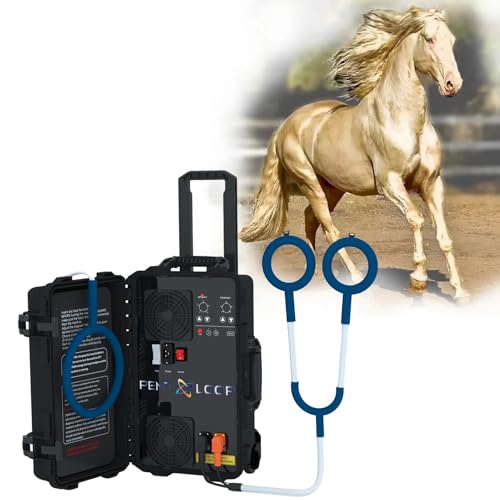
Premium PEMF devices compared
| Device | Format and coverage | Best use | Control and settings | Portability | Typical premium-market position |
|---|---|---|---|---|---|
| iMRS Prime | Full-body mat with localized applicator options | Home sessions covering the back, legs, or whole body | Programmable frequency and intensity profiles, depending on configuration | Low; designed mainly for a fixed home setup | Usually about $3,000–$6,000 or more |
| HealthyLine Platinum series | Full-body mat, often with additional localized components | Users wanting broad coverage plus heat or wellness features in selected models | Multiple programs, intensity controls, and frequency choices vary by model | Low to moderate; mats can be rolled or folded but remain bulky | Usually about $1,500–$4,000 |
| Oska Pulse | Small localized wearable-style device | Targeted areas such as a knee, shoulder, lower back, or wrist | Simple preset operation rather than extensive manual programming | High; suited to travel and use during normal daily activities | Usually about $500–$800 |
| Professional coil systems | Large external applicator or movable coil; treatment area depends on coil size | Practitioners, clinics, or households prioritizing high output and flexible positioning | Often the widest range of intensity, pulse patterns, and session controls | Low; equipment may require a dedicated room and careful setup | Often $4,000–$15,000 or more |
Prices are broad market ranges rather than fixed quotations. Configuration, accessories, regional distribution, and warranty coverage can change the total substantially.
Head-to-head: mat coverage versus coil targeting
Full-body mats
A mat is the most convenient option when pain affects several connected areas—for example, the lower back, hips, and legs—or when the intended routine is general recovery after training. Multiple embedded coils can expose a large section of the body without requiring you to reposition an applicator.
The trade-off is lower targeting precision. A mat may cover the area around a sore knee, but it does not necessarily deliver the same field geometry as a coil placed directly over that joint. Mats are also heavy, need a flat surface, and can be difficult to move between rooms.
Localized coils and portable units
A coil or compact device makes more sense for one persistent problem area. You can place it over the shoulder, knee, elbow, or lumbar region and repeat the same setup consistently. Professional coil systems usually offer stronger output and more manual control, but they cost more and require more attention to placement, cable management, and session settings.
The Oska Pulse occupies a different category: it is convenient and portable, but its simple controls and small treatment area are not substitutes for a full-body mat. It is most appropriate when adherence matters more than maximum coverage.
Decision matrix: which format fits your situation?
| Your priority | Most suitable format | Why | What to compromise on |
|---|---|---|---|
| Back, hips, and legs in one session | Full-body mat | Broad, repeatable coverage with minimal repositioning | Storage space and lower targeting precision |
| One knee or shoulder | Localized coil or compact device | Direct placement and less equipment around the body | Small treatment area |
| Frequent travel | Portable localized unit | Fast setup and easier transport | Fewer settings and limited coverage |
| Multiple family users | Programmable mat system | Different users can save or repeat separate routines | Higher purchase price and more cleaning considerations |
| Clinic-style flexibility | External professional coil system | Adjustable positioning, output, and treatment zones | Cost, training, and setup complexity |
Settings that matter more than a long feature list
Premium systems commonly vary in frequency, intensity, pulse shape, ramping, and session length. More controls are useful only if the interface explains what they do. A device with 20 programs is not automatically better than one with five understandable programs.
For a cautious first trial, follow the manufacturer’s lowest-intensity or introductory program for 10–15 minutes. If there is no unpleasant reaction, increase gradually toward 20–30 minutes on later sessions rather than beginning with maximum intensity. Keep the body position and applicator placement consistent for several sessions; otherwise, it is difficult to tell whether a change came from PEMF or from a different setup.
A practical evaluation schedule is three sessions per week for two weeks, recording pain on a 0–10 scale before treatment and at the same time afterward. For example, if a baseline pain score is 7 and falls to 5 after a session, that is a useful observation—but not proof that the device caused the improvement. Sleep, activity, medication, inflammation, and natural symptom changes can all affect the result.
A simple time-and-coverage calculation
Suppose a localized device treats one area for 20 minutes and you have three areas to cover. Treating them sequentially requires 60 minutes per session. A mat that covers all three areas at once reduces the field-application time to 20 minutes, although its price and storage demands may be considerably higher.
Over four sessions per week, that difference becomes 160 minutes saved weekly—nearly 11 hours per month. This is why a full-body mat can be worth considering even when a compact device has adequate output for one joint. Conversely, if only one area needs treatment, a mat may add cost and inconvenience without improving adherence.
Ease of use, safety, and warranty checklist
- Controls: Look for clearly labeled intensity, frequency, timer, and program controls. A remote or wired controller is preferable if the mat is used while lying down.
- Coil placement: Check whether the device identifies coil locations and whether the intended body area actually rests over them.
- Cleaning: Removable covers or wipeable surfaces matter when several people use the equipment.
- Power and storage: Confirm the mat’s folded size, controller dimensions, and whether it can remain connected safely between sessions.
- Warranty: Premium products should provide written coverage for the controller, coils, power supply, and upholstery—not just the main unit. Verify the duration, return window, repair process, and whether shipping is covered.
- Documentation: Prefer a manufacturer that publishes technical specifications and contraindications rather than relying only on testimonials.
People with implanted electronic devices such as pacemakers or neurostimulators should avoid PEMF unless their treating specialist specifically confirms compatibility. Pregnancy, active bleeding, recent surgery, seizure disorders, and serious unexplained pain also warrant medical advice before use. Do not place a device over an open wound or use it to delay assessment of new neurological symptoms, chest pain, severe swelling, or rapidly worsening pain.
Which premium PEMF device should you choose?
Choose the iMRS Prime if you want a dedicated full-body system with extensive programming and are comfortable paying for a permanent home setup. Choose a HealthyLine Platinum model if broad mat coverage and a wellness-oriented design are more important than clinic-style coil flexibility, but check the exact configuration before buying. Choose the Oska Pulse if portability, discreet use, and a simple routine are the deciding factors. Choose a professional coil system only when you need adjustable positioning and output that a consumer mat cannot provide.
The best premium PEMF therapy devices for pain relief and recovery are therefore not determined by the longest frequency list or highest advertised intensity. Match the treatment area, session time, controls, storage requirements, evidence for your specific condition, and warranty to the routine you can follow consistently. Results remain individual, and a premium price does not guarantee pain relief.
Frequently asked questions
How soon might I notice whether PEMF is helping?
There is no guaranteed timeline because results vary by condition, device strength, treatment schedule, and individual response. A practical evaluation is three sessions per week for two weeks. Record pain on a 0–10 scale before treatment and at the same time afterward, while keeping body position and applicator placement consistent. Changes may also reflect sleep, activity, medication, inflammation, or natural symptom variation.
Can multiple people use the same premium PEMF mat?
Yes, a programmable mat system may suit multiple family users because different people can save or repeat separate routines. However, higher purchase cost and additional cleaning considerations are trade-offs. Look for removable covers or wipeable surfaces, especially when several people share the equipment. Each user should still follow the manufacturer’s instructions and consider individual medical circumstances before treatment.
What should I do if a session causes an unpleasant reaction?
Stop increasing the intensity and review the manufacturer’s instructions if a session causes an unpleasant reaction. The article recommends beginning with the lowest-intensity or introductory program for 10–15 minutes, then increasing gradually toward 20–30 minutes only on later sessions if there is no unpleasant reaction. Seek medical advice for serious or worsening symptoms rather than using PEMF to delay assessment.
Can PEMF replace medical treatment for pain?
No. PEMF should complement—not replace—diagnosis and treatment from a qualified clinician. Clinical evidence is mixed, and a change in pain after treatment does not prove that the device caused it. New neurological symptoms, chest pain, severe swelling, rapidly worsening pain, or serious unexplained pain warrant medical assessment instead of relying on a PEMF device.
Are there situations in which I should ask a clinician before using PEMF?
Yes. Ask your treating specialist about compatibility if you have an implanted electronic device such as a pacemaker or neurostimulator. Pregnancy, active bleeding, recent surgery, seizure disorders, and serious unexplained pain also warrant medical advice before use. Do not place the device over an open wound, and do not use it to postpone evaluation of concerning new or worsening symptoms.