Our Top Picks
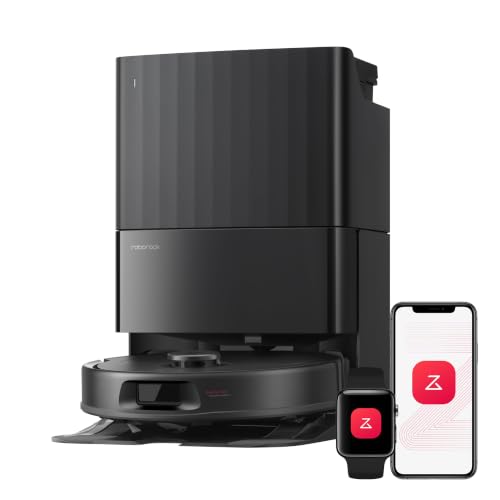
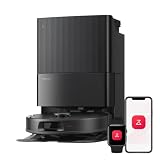
 roborock Q7 L5 Robot Vacuum and Mop ComboQ7 L5 (Black)13.8 x 13.8 x 3.89 inches7.27 poundsCheck on Amazon


Top 3 picks at a glance


Best Robot Mops for Different Floors and Homes
The best robot mops depend on your flooring and floor plan: choose a spinning-pad model for everyday hard-floor cleaning, a roller mop for tougher dried-on messes, or a vacuum-and-mop robot with a lifting pad if you have rugs and mixed flooring.
Choose the mop type before comparing features
- Flat-pad mops: A damp cloth drags across the floor. They suit light dust and frequent maintenance, but a pad can spread grime unless the robot returns to wash it regularly.
- Spinning pads: Two rotating pads add scrubbing action and are commonly paired with a dock that washes and dries them. They are a good fit for kitchens and other busy hard-floor areas.
- Roller mops: A powered roller scrubs while water is dispensed and dirty water is collected. This can help with sticky or dried-on spots, though the roller and dirty-water system need routine cleaning.
- Vacuum-and-mop hybrids: These vacuum debris and wipe hard floors in one run. Look for a mop that lifts or detaches before it crosses rugs; lifting reduces risk but does not guarantee a rug will stay dry.
For named examples, the Roborock S8 MaxV Ultra and Dreame X40 Ultra are vacuum-and-mop robots with multifunction docks. The Eufy S1 Pro uses a roller-mop approach. Check current regional versions and included accessories before buying, because configurations can differ.
As an Amazon Associate we earn from qualifying purchases at no extra cost to you.
Match the robot to your floors and layout
| Home situation | Best-fit type | Useful starting settings | What to watch for |
|---|---|---|---|
| Small apartment, mostly tile or sealed vinyl, under 700 sq ft | Spinning-pad or roller model | One pass; low or medium water; wash pads every 15–25 minutes | Dock footprint, threshold clearance, and whether the robot can reach under furniture |
| Mixed hardwood and low-pile rugs, 700–1,500 sq ft | Hybrid with reliable mop lifting or pad removal | Vacuum first; low water on wood; set rug zones as no-mop areas | Confirm rug detection and lifting behavior; map boundaries around delicate rugs |
| Large, open hard-floor plan, over 1,500 sq ft | Docked spinning-pad or roller model | Clean in zones; schedule pad washing every 15–25 minutes initially | Refill and dirty-water capacity, dock access, and whether the robot resumes after recharging |
| Pets, crumbs, and frequent tracked-in dirt | Hybrid with strong vacuum pickup plus an actively cleaned mop | Vacuum before mopping; use two passes in entry and kitchen zones | Hair tangles, obstacle avoidance around toys, and how often the mop needs washing |
| Sticky kitchen spots or textured tile | Roller or spinning-pad model with adjustable water | Use a targeted second pass; increase water only if the floor material permits | Robots may miss edges and dried spills; spot-clean stubborn residue by hand |
The square-foot bands are planning guides, not manufacturer limits. A cluttered 900-square-foot home can take longer than an open 1,500-square-foot one. Multiple rooms, rugs, and frequent dock returns also reduce the area covered in a single uninterrupted run.
How to estimate cleaning time and maintenance
Use a simple planning estimate rather than relying on a headline coverage number. Suppose a robot covers about 100 square feet per hour while actively mopping in your layout, and its dock sends it back to wash its pads every 20 minutes. Across a 1,200-square-foot home, that is roughly 12 active cleaning hours before accounting for dock trips. If each wash-and-return cycle takes three minutes, a 20-minute interval adds about 15% to active time: 12 × 0.15 = 1.8 additional hours. Real performance varies with navigation, furniture, floor texture, and cleaning settings, so start with one room and adjust your schedule.
For a large home, divide the map into zones and clean them on separate days. This reduces interrupted runs and makes it easier to keep water and dirty-water tanks in good condition. If your robot supports a recharge-and-resume routine, check that it is enabled for long jobs.
Floor-specific settings that prevent avoidable damage
- Sealed hardwood: Use the lowest effective water setting and avoid leaving the robot parked on a wet mop. Check the flooring manufacturer’s care guidance; unsealed wood and standing moisture are a poor combination.
- Tile and sealed stone: Medium water and a second pass can help with tracked-in grime. Avoid acidic or abrasive cleaners unless the flooring maker permits them.
- Laminate: Keep water low, use short cleaning runs, and map the robot away from damaged seams. Excess moisture can seep into joints.
- Rugs and carpet: Set no-mop zones around thick, fringed, or delicate rugs. On mixed floors, verify that the mop lifts high enough for your rug pile or remove the pads before vacuuming.
Check obstacles, thresholds, and dock placement
Obstacle avoidance is most useful for everyday items such as shoes, charging cables, and pet bowls, but it should not replace tidying. Small or dark objects can be hard for some systems to recognize. Keep cables off the floor, move lightweight mats, and use no-go zones where cords or pet messes are common.
Measure the lowest furniture clearance and the height of door thresholds before choosing a robot. Also measure space around the dock: a self-cleaning station needs room to open, and its water tanks must be accessible. Place it on a level, hard surface near power, with enough clearance for the robot to approach. If the home has multiple levels, expect to carry the robot between floors unless you have a separate dock for each one.
What a self-cleaning dock does—and does not—solve
A dock can wash and dry mop pads, refill a robot’s water tank, and collect debris. Some models also drain dirty water or connect to plumbing, but that setup requires compatible plumbing and installation. A dock reduces daily chores; it does not eliminate them.
- Empty and rinse the dirty-water tank when prompted, and sooner if it smells.
- Check the clean-water tank before a large run; a 1,200-square-foot job may require a refill depending on water use and wash frequency.
- Remove hair and residue from rollers, pad mounts, filters, and the dock wash tray on the schedule in the manual.
- Use only cleaning solution approved for that robot. Foaming household cleaners can interfere with pumps or leave residue.
A quick buying decision
Choose a spinning-pad model if your home is mostly sealed hard flooring and you want regular scrubbing with dock-based pad washing. Choose a roller mop if kitchen grime and textured tile are the priority and you are comfortable maintaining its water path. Choose a hybrid with mop lifting or removable pads if rugs and vacuuming matter as much as mopping. For a large or cluttered home, prioritize reliable mapping, room-by-room scheduling, and a dock you can conveniently maintain over a single advertised coverage figure.
Frequently asked questions
Can a robot mop replace hand-cleaning dried spills?
No, robots may miss dried spills, and stubborn residue may still need spot-cleaning by hand. A roller mop can help with sticky or dried-on spots, while a spinning-pad model can scrub busy hard-floor areas. For a persistent mess, use a targeted second pass if the floor material permits, but do not assume the robot will remove every spill.
Should I vacuum before using a robot mop?
Yes, vacuum first when the robot supports vacuuming and mopping, especially if there are pets, crumbs, or tracked-in dirt. The article recommends vacuuming before mopping for mixed floors and pet-related messes. For entry and kitchen zones, two passes may help; a hybrid can vacuum debris and wipe hard floors in one run.
Can one robot clean multiple floors of my home?
It can, but expect to carry the robot between levels unless you have a separate dock for each one. The article also recommends dividing large homes into zones and cleaning them on separate days. Check that recharge-and-resume is enabled for long jobs, and consider dock access and water capacity when planning runs.
What should I do if my home has delicate or damaged flooring?
Use low water on sealed hardwood and laminate, and keep the robot away from damaged laminate seams. Unsealed wood and standing moisture are a poor combination, so check the flooring maker’s care guidance. For tile or sealed stone, avoid acidic or abrasive cleaners unless the flooring maker permits them.
How often will I need to refill or clean a robot mop dock?
It depends on water use, wash frequency, and the size of the job. A 1,200-square-foot run may require a clean-water refill, and the dirty-water tank should be emptied and rinsed when prompted or sooner if it smells. Hair and residue also need routine removal from rollers, pad mounts, filters, and the dock wash tray.