Our Top Picks
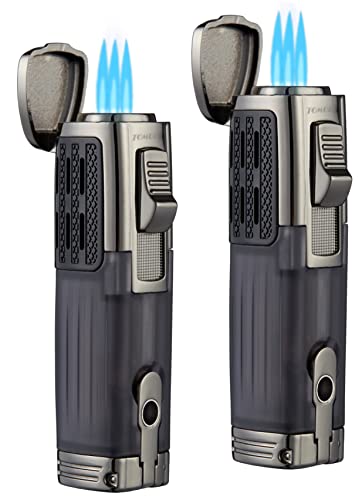 TOMOLO Cigar Lighter Triple Jet Flame Torch Lighter2 Count (Pack of 1)1.1 x 0.8 x 3.3 inches0.16 PoundsCheck on Amazon


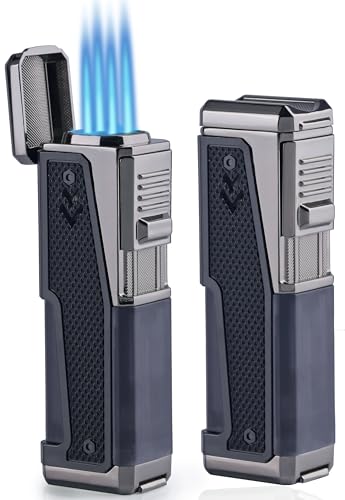
Top 3 picks at a glance

Best Cigar Lighters for Reliable, Even Lighting
The best cigar lighters are refillable butane models with a wind-resistant jet flame for outdoor use, while a soft-flame lighter is usually the better choice for slow, controlled lighting at home.
Your ideal lighter depends less on brand than on four practical variables: the cigar’s ring gauge, where you smoke, how often you use it, and whether you value maximum ignition power or a gentler flame. A small single-flame torch is precise and portable; a double- or triple-flame torch lights larger cigars quickly; and a soft-flame lighter gives the most traditional control but performs poorly in wind.
As an Amazon Associate we earn from qualifying purchases at no extra cost to you.
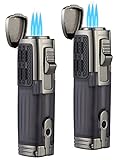


Quick comparison: which lighter type fits your use?
| Situation | Best flame type | Recommended cigar size | Why it works | Main compromise |
|---|---|---|---|---|
| Indoor smoking and careful touch-ups | Soft flame | Small to medium cigars, up to about 54 ring gauge | Gentle, visible flame makes it easier to toast the foot evenly | Wind can extinguish it immediately |
| Daily carry and mixed cigar sizes | Single jet | 30–54 ring gauge | Compact, fuel-efficient, and easy to aim at one section of the foot | Large cigars take longer to light |
| Large cigars or fast lighting | Double jet | 50–60 ring gauge | Two heat points cover more of the cigar without the bulk of a triple torch | Can overheat the wrapper if held too close |
| Strong wind, golf course, patio, or travel | Triple jet | 54–70 ring gauge | High heat and multiple jets shorten exposure to gusts | Uses fuel quickly and is less forgiving of poor technique |
Ring gauge is measured in sixty-fourths of an inch. A 50 ring gauge cigar is approximately 0.78 inches in diameter, while a 60 ring gauge cigar is approximately 0.94 inches. That difference matters: a single jet can light a 50 ring gauge cigar well, but a broad cigar needs more heat coverage or more time.
Best cigar lighters by use case
Best everyday single-flame choice: a compact single-jet torch
A single-jet torch is the most versatile format for most smokers. It has enough heat for ordinary robustos, coronas, and toro-sized cigars, yet it remains narrow enough to toast the foot section by section. The XIKAR Allume Single is an example of this class, as are many compact single-jet models from Colibri, Lotus, and Vertigo.
Choose a model with a recessed burner, a positive ignition button, an adjustable flame-height control, and a visible fuel window. A protective cap is useful in a pocket because it prevents lint from reaching the burner. A single jet is also a sensible choice when you want one lighter for both cigars and occasional pipe or outdoor utility use, provided the flame can be adjusted low enough.
Best for large cigars: a double- or triple-jet torch
Double-jet models offer a useful middle ground. They heat a larger area than a single torch without consuming fuel as aggressively as a four-flame design. The XIKAR Allume Double and Colibri Quasar are examples of recognizable double- and multi-jet formats.
A triple torch is better when you regularly smoke 60 ring gauge cigars or light outdoors. It is not automatically more even, however. Three flames can create three hot spots, so you still need to rotate the cigar and keep the flame moving. The flame should touch the foot indirectly rather than being pressed into the tobacco.
Best for traditional control: a soft-flame lighter
A soft flame is slower but gives the clearest visual feedback. The flame is easier to keep at the edge of the foot, making it well suited to long-filler cigars and indoor smoking. Classic soft-flame designs such as the S.T. Dupont Ligne 2 use this approach, although premium models can cost substantially more than ordinary refillable lighters.
Soft flames are a poor choice for exposed patios, beaches, boats, or golf courses. Even a mild crosswind can bend the flame away from the cigar, forcing you to relight repeatedly and potentially scorching one spot.
Flame type, wind resistance, and fuel use
- Soft flame: quiet and easy to observe, but generally unsuitable for wind.
- Single jet: the best balance of precision, portability, and fuel economy.
- Double jet: faster coverage for medium and large cigars, with moderate fuel consumption.
- Triple or quad jet: strongest performance in gusts, but greater heat, bulk, and fuel use.
- Plasma or electric arc: useful where butane is inconvenient, but many arc lighters have a narrow lighting area and may struggle with a broad cigar foot or sustained wind.
“Windproof” does not mean that the flame works in every condition. Jet torches resist ordinary gusts because the flame is concentrated and shielded, but heavy wind can still cool the burner or prevent the flame from reaching the cigar. A deeper burner guard and a recessed nozzle are more meaningful design features than marketing language alone.
Fuel capacity: a practical way to compare models
Fuel capacity is usually listed in milliliters or grams, but runtime depends heavily on flame count and flame height. A larger tank is useful only if the lighter also seals well and ignites consistently after sitting unused.
| Tank size | Approximate refill planning | Best match | Portability effect |
|---|---|---|---|
| 1.5–2.0 ml | About 10–20 ordinary cigar lightings | Small single-jet pocket lighters | Very compact, but frequent refills |
| 2.5–4.0 ml | About 20–40 ordinary cigar lightings | Everyday single- and double-jet models | Good balance for daily carry |
| 5.0 ml or more | About 35–60 ordinary cigar lightings | Larger multi-jet or desk-oriented lighters | Longer between refills, but heavier |
These are planning ranges, not laboratory runtimes. A useful estimate is to assume that a single-jet lighter uses roughly one unit of fuel during a normal lighting, a double jet roughly two units, and a triple jet roughly three units. For example, if a 3 ml tank gives a single torch about 30 lightings, the same tank might provide approximately 15 double-jet or 10 triple-jet sessions under similar flame settings. Wind, long burn times, and repeated ignition attempts reduce those numbers.
Ignition reliability: features that matter most
Look for a piezoelectric ignition with a firm, consistent button rather than a loose switch that can be pressed accidentally. The burner should ignite without requiring several rapid clicks after the lighter has been stored for a few days. A fuel-level window helps distinguish an empty tank from a dirty burner or trapped air.
Use refined butane and refill only when the lighter is cool. Before filling, set the flame control to its lowest setting, bleed residual gas according to the manufacturer’s instructions, and hold the lighter away from ignition sources. After filling, wait several minutes before lighting it so the liquid fuel can settle and the casing can return to room temperature.
How to light a cigar evenly with a torch
- Inspect the foot. If the cut is uneven or the filler is exposed, expect to correct the lighting gradually rather than trying to burn the whole surface at once.
- Hold the cigar just above the flame. The tip of the flame should heat the tobacco without direct, prolonged contact. Start about 1–2 centimeters away and move closer only if needed.
- Rotate slowly. Turn the cigar while warming the outer edge. With a single jet, trace a small circle; with multiple jets, keep the lighter moving so the same point does not remain over a hot spot.
- Stop when the foot glows evenly. Take a gentle draw and watch for dark sections. Touch up only the unlit area.
- Let the cigar rest briefly. A few seconds after lighting helps reveal whether one side is burning faster before you add more heat.
For a 60 ring gauge cigar, do not compensate for a small lighter by holding it in one place longer. That creates a charred patch while leaving other sections unlit. Sweep the flame around the foot, or use a double or triple torch at a lower flame setting.
Portability and build quality
A pocket lighter should have a guarded burner, a secure lid or cover, a non-slip body, and a base that does not press the ignition button when carried. Metal construction can feel more durable, but it also adds weight and conducts heat. A fuel window is more useful than decorative trim, especially when traveling.
For frequent outdoor use, prioritize a sturdy ignition button and an adjustable flame over an oversized fuel tank. For a desk or humidor setup, a heavier body and larger reservoir may be worthwhile. Keep any butane lighter away from direct sunlight and never leave it in a hot vehicle.
Frequently asked questions
Can I use a cigar lighter for anything besides cigars?
Yes, a single-jet torch can also be useful for occasional pipe or outdoor utility use if its flame adjusts low enough. Its narrow flame is easy to aim at one section of a cigar’s foot, while a soft flame offers gentler control indoors. A multi-jet torch provides more heat coverage but uses fuel more quickly and requires more careful movement.
How can I tell whether my lighter is out of fuel?
A visible fuel window can help distinguish an empty tank from a dirty burner or trapped air. If the lighter has fuel but does not ignite consistently, the problem may not be the tank level. Use refined butane, follow the manufacturer’s instructions for bleeding residual gas, and refill only when the lighter is cool.
What kind of butane should I use in a cigar lighter?
Use refined butane in a refillable cigar lighter. Refill only when the lighter is cool, set the flame control to its lowest setting, and bleed residual gas according to the manufacturer’s instructions. After filling, wait several minutes before lighting it so the liquid fuel can settle and the casing can return to room temperature.
Why does a windproof lighter still fail outdoors?
A windproof lighter can still fail in heavy wind because gusts may cool the burner or prevent the flame from reaching the cigar. Jet torches resist ordinary gusts because their flames are concentrated and shielded, but windproof does not mean suitable for every condition. A recessed nozzle and deeper burner guard are useful design features.
Can a single-jet lighter work with a large cigar?
Yes, but it may take longer to light a broad cigar because its flame covers a smaller area. Rather than holding the flame in one place, sweep it around the foot while rotating the cigar. This avoids creating a charred patch while leaving other sections unlit. A double or triple torch provides more heat coverage for large cigars.
Bottom line
For most people, the best cigar lighters are refillable single- or double-jet models with a visible fuel window, adjustable flame, recessed burner, and reliable piezo ignition. Choose a single jet for precision and portability, a double jet for regular toro and large-ring-gauge cigars, a triple jet for windy outdoor settings, and a soft flame for the most controlled indoor lighting. The right match between flame coverage and cigar diameter matters more than simply choosing the hottest lighter.