The best window air conditioner covers depend first on whether the unit is stored indoors or remains installed: use a fitted, insulated indoor cover for a removed AC, but choose a weather-resistant exterior cover plus an interior air-sealing panel when the unit stays in the window year-round.
As an Amazon Associate we earn from qualifying purchases at no extra cost to you.

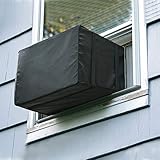

Our Top Picks
 Air Conditioner Covers for Outside Window Unit 21"W21"Wx15"Hx16"D15 x 21 x 15 Inches1.6 poundsCheck on Amazon

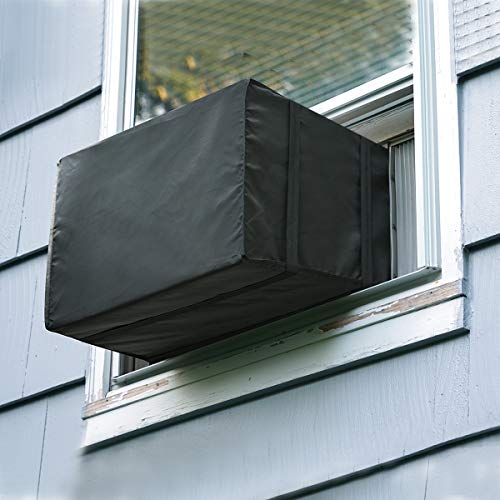
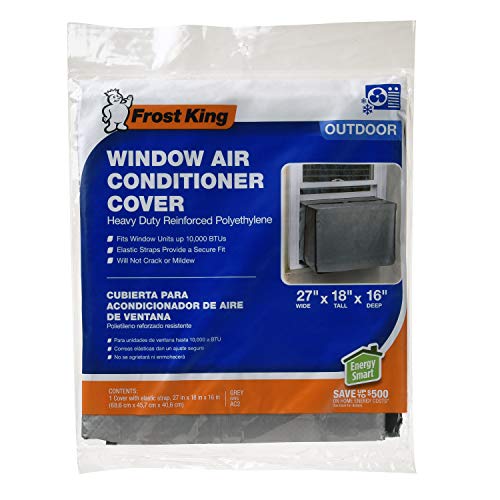
Top 3 picks at a glance
Choose by the AC’s seasonal status
| Your situation | Best cover setup | Why it works |
|---|---|---|
| AC removed and stored indoors | Breathable dust cover, sized to the cabinet | Prevents dust without trapping condensation |
| AC remains installed, mild weather | Interior insulated cover with a snug seal | Blocks drafts and reduces heat loss through the cabinet |
| AC remains installed, rain or snow exposure | Exterior waterproof cover plus interior air seal | Protects the chassis outside and stops indoor drafts |
| Coastal, humid, or freezing climate | UV-resistant, waterproof exterior cover with drainage and ventilation strategy | Reduces corrosion while avoiding trapped moisture |
Do not treat an indoor cover and an outdoor cover as interchangeable. An indoor cover mainly controls dust, drafts, and room-side heat loss. An outdoor cover must tolerate ultraviolet light, wind-driven rain, snow, and temperature changes without tearing or holding water against the air conditioner.
Measure the unit before choosing a cover
Nominal labels such as “small window AC” are not reliable enough. Measure the exposed indoor cabinet and, if buying an exterior cover, the outdoor portion as well.
- Measure width: record the widest rigid part of the cabinet, excluding accordion side panels unless the cover must enclose them.
- Measure height: measure from the bottom support rail to the top of the cabinet.
- Measure depth: measure how far the unit projects from the window toward the room or outdoors. For an exterior cover, measure the outdoor projection separately.
- Record obstructions: note handles, control panels, exhaust grilles, brackets, drain points, and the window sill.
- Compare the finished dimensions: allow only a small amount of ease. A cover that is several inches oversized can flap, leak air, or collect water.
For example, if the indoor cabinet measures 21 inches wide by 15 inches high by 18 inches deep, a cover with an internal space around 22 by 16 by 19 inches is usually more useful than one advertised simply for a “21-inch unit.” The extra inch provides installation tolerance without creating a large draft channel. Never cover a grille or drainage opening while the air conditioner is operating.
Indoor covers: the right choice when the AC is removed
If you take the unit out for winter, clean and dry it before covering it. Choose a washable fabric cover with a soft interior and enough room for the cabinet—not a sealed plastic bag. A breathable polyester or cotton-blend cover protects against dust while allowing residual moisture to escape.
Before storage:
- Unplug the unit and let the coils and drain pan dry completely.
- Clean the filter and vacuum loose dust from the intake grille.
- Inspect the power cord for damage and coil it loosely.
- Keep the unit upright unless the manufacturer specifically permits another position.
- Store it away from damp floors, heating appliances, and direct sunlight.
A cover cannot repair a wet or dirty air conditioner. Covering trapped moisture can encourage mildew and corrosion, particularly in humid climates. If the unit was recently running, give it several hours to dry before storage.
Indoor covers for an AC that stays installed
When the air conditioner remains in the window, the room-side cabinet is often a significant draft path. The best indoor covers for this situation have an insulated layer, an elastic or hook-and-loop edge, and a reasonably airtight fit around the cabinet.
Foam-backed fabric is useful because it combines a thermal barrier with a finished appearance. Thin decorative fabric may reduce dust but will do little against cold drafts. For a loose window opening, pair the cabinet cover with removable foam panels or a fitted window insert. Seal gaps around the side curtains separately; covering only the front face does not close air leaks around the installation.
Do not use the indoor cover while cooling or heating through the unit. Remove it completely before operation so the intake and discharge air can move freely.
Outdoor covers: weather protection without trapped moisture
An outdoor cover should be made from tightly woven, water-resistant material with UV protection and reinforced seams. Common suitable classes include coated polyester, solution-dyed polyester, and other outdoor fabrics designed for patio equipment. A lightweight dust cover is not an adequate substitute for a rain and snow cover.
Look for:
- Secure attachment: elastic hems, buckles, straps, or drawcords that resist wind.
- Water-shedding shape: a top that does not form a low pocket where rain or melting snow can pool.
- Breathability or controlled ventilation: useful in humid conditions to reduce condensation.
- UV resistance: important because ordinary fabric can become brittle after prolonged sun exposure.
- Soft inner surface: helps prevent scratches on painted metal and plastic trim.
Before fitting an exterior cover, remove leaves and debris, check that the unit is stable, and follow the air conditioner manufacturer’s guidance about winter protection. Avoid wrapping the entire installation in airtight plastic. Temperature swings can create condensation inside the wrap, leaving moisture against the cabinet and electrical components.
Material and fit decision matrix
| Condition | Recommended material | Fit priority | Avoid |
|---|---|---|---|
| Dry indoor storage | Breathable polyester or cotton blend | Close, but not compressed | Sealed plastic wrapping |
| Cold indoor room with installed AC | Foam-backed insulated fabric | Snug around the cabinet | Thin decorative dust covers |
| Rain and moderate wind | Coated or solution-dyed outdoor polyester | Strapped and fitted at the bottom | Loose tarps with open edges |
| Snow and freeze-thaw cycles | UV-resistant waterproof fabric with reinforced seams | Enough clearance to avoid compression, no pooling | Covering while wet or iced |
| Humid or coastal exposure | Corrosion-conscious outdoor cover with ventilation | Secure against wind, not airtight | Non-breathable plastic bags |
How much extra room should a cover have?
For a removable indoor cover, approximately 1 inch of additional width and height and 1–2 inches of additional depth is usually enough for easy fitting. For an exterior cover, account for brackets, drain hardware, and the outdoor cabinet shape rather than adding a large universal allowance.
Suppose the outdoor section is 19 inches wide, 14 inches high, and 8 inches deep. A practical target might be an interior cover space close to 20–21 inches wide, 15–16 inches high, and 9–10 inches deep, provided no grille or drain is obstructed. A cover measuring 25 by 20 by 15 inches may look convenient, but its excess fabric can catch wind and rub against the wall.
Installation checklist by season
Autumn: preparing for cold weather
- Turn off and unplug the AC.
- Clean the filter and let the unit dry.
- Remove leaves and dirt from outdoor grilles.
- Check the window seal, side panels, mounting brackets, and drain path.
- Fit the exterior cover if the unit remains installed.
- Install the room-side insulated cover and seal visible gaps.
Winter: checking the cover
After strong wind, inspect the straps and hem. Brush off heavy snow rather than allowing its weight to remain on the cover. If water is pooling, reposition or replace the cover; standing water is more damaging than ordinary rain because it can seep through seams and freeze.
Spring: removing the cover
Remove the cover on a dry day, inspect for rust or insect nesting, and allow the unit to air out. Wash the cover according to its care instructions and dry it fully before storage. Never start the AC while an exterior or interior cover is still attached.
Common buying mistakes
- Buying by BTU rating: BTU describes cooling capacity, not cabinet dimensions.
- Using an indoor cover outdoors: indoor fabric usually lacks UV and rain resistance.
- Choosing the largest size: excess material flaps and creates water traps.
- Ignoring the window opening: side curtains and gaps can leak more air than the cabinet face.
- Sealing a damp unit: trapped moisture can cause mildew and corrosion.
- Covering operating vents: blocked airflow can cause overheating, icing, or poor cooling.
Frequently asked questions
Can I leave a window air conditioner covered while it is running?
No, remove the interior or exterior cover completely before operating the air conditioner. A cover can block intake or discharge airflow and may cause overheating, icing, or poor cooling. For an installed unit, use the cover only when the unit is not operating, and never cover a grille or drainage opening during operation.
Should I use one cover for both the indoor and outdoor sides of an installed unit?
No, the indoor and outdoor sides require different protection. Use an insulated indoor cover to reduce drafts and room-side heat loss, and use a water-resistant or waterproof exterior cover for exposure to rain, snow, wind, and ultraviolet light. An exterior cover should also avoid trapping moisture against the air conditioner.
What should I do if my air conditioner is still damp before storage?
Let the air conditioner dry completely before covering or storing it. If it was recently running, allow several hours for the coils and drain pan to dry. Covering trapped moisture can encourage mildew and corrosion, especially in humid climates. Do not seal a damp unit inside plastic or another non-breathable covering.
Can I store a removed window air conditioner on its side?
Keep a removed air conditioner upright unless the manufacturer specifically permits another position. Before storage, unplug it, clean the filter, vacuum loose dust, inspect the cord, and let the coils and drain pan dry completely. Store it away from damp floors, heating appliances, and direct sunlight, using a breathable cover rather than a sealed plastic bag.
How can I stop an installed air conditioner from letting cold air into the room?
Use a foam-backed insulated indoor cover with a snug edge around the cabinet, then seal gaps around the side curtains separately. Covering only the front face does not close leaks around the installation. For a loose window opening, removable foam panels or a fitted window insert can provide additional sealing when the air conditioner is not operating.
Bottom line
The best window air conditioner covers are selected by installation status and measured dimensions, not by BTU rating alone. Use a breathable fitted cover for indoor storage, an insulated room-side cover for an installed unit, and a UV-resistant, water-shedding exterior cover when the chassis faces the weather. In harsh climates, use both exterior weather protection and interior draft sealing, while keeping the cover secure, dry, correctly sized, and completely removed before operation.