The best concrete mixers for most home users are electric drum mixers in the 3.5–6 cubic foot range — models like the Kushlan 350DD, Yardmax YM0046, and Klutch 4.1 cu ft cover nearly every DIY slab, fence post, and repair job, while regular jobsite crews should step up to a 6–9 cu ft mixer with a 3/4 HP or larger motor, such as the Kushlan 600DD or a towable unit like the Crown or Multiquip steel drum mixers.
As an Amazon Associate we earn from qualifying purchases at no extra cost to you.



Our Top Picks
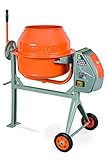
 BILT HARD Electric Cement Mixer4 Cubic Ft. Mixer47.2 x 27.5 x 52.4 inches90.39 PoundsCheck on Amazon
 YARDMAX YM0115 4.0 Cu. Ft. Concrete Mixer4.0 Cu. Ft.31 x 31 x 18.5 inches102.9 PoundsCheck on Amazon


Top 3 picks at a glance
Start with the Number That Actually Matters: Usable Drum Volume
Every mixer advertises total drum capacity, but you can only load it to roughly 60–70% before material sloshes out or stops tumbling properly. A “6 cu ft” mixer really mixes about 4 cu ft per batch. Here’s the math that spec sheets skip:
- One 80 lb bag of premixed concrete yields about 0.6 cu ft of finished concrete.
- A 4×4 ft slab at 4 inches thick needs 5.3 cu ft — that’s 9 bags, or about 2.4 batches in a 3.5 cu ft drum.
- A 6 cu ft drum (~4 cu ft usable) finishes that slab in roughly 1.3 batches; a 2.2 cu ft mini-mixer takes 4 batches.
Rule of thumb: each batch takes 4–6 minutes of mixing plus a few minutes of loading and dumping, so halving your drum size roughly doubles your labor time on anything over 3 cu ft total. If your project exceeds about a cubic yard (27 cu ft, ~45 bags), a small mixer turns a Saturday job into a weekend job — that’s the point where ordering ready-mix or renting a larger drum wins on cost.
Best Concrete Mixers by Use Case
Small repairs and fence posts: compact 1.6–3.5 cu ft drums
For setting posts, patching a walkway, or one-off repairs, a small poly-drum electric mixer in the $200–$350 range is the right tool. Units like the Kushlan 350DD (3.5 cu ft, 3/4 HP) or compact Stark-style portables mix 2–3 bags per batch, fit through a standard gate, and one person can tip and wheel them alone. Poly drums weigh far less than steel and don’t rust, though they wear faster with gravel-heavy mixes.
Regular DIY projects: 4–6 cu ft mid-size mixers
This is the sweet spot for patios, shed slabs, and retaining wall footings. The Yardmax YM0046 (4 cu ft, 2/3 HP) and Klutch 4.1 cu ft sit at the affordable end ($250–$400); the Kushlan 600DD (6 cu ft, 3/4 HP) costs more but handles a full day’s pours without bogging down. Look for a steel frame, sealed gearbox, and a drum you can tilt and lock at multiple angles — dumping into a wheelbarrow is far easier than shoveling out.
Frequent jobsite work: 6–9+ cu ft or towable units
Contractors pouring several yards a week need a mixer that runs all day: 3/4 HP minimum (1 HP+ preferred), steel or heavy-gauge poly drum, and either a wheelbarrow-height discharge or towable chassis. Steel drum gas mixers from brands like Crown, Multiquip, or Stone (typically $1,500–$4,000+) are the standard on sites without power; the Imer Minuteman II is a respected mid-size electric option for crews working indoors or in noise-restricted areas.
Comparison at a Glance
| Model / class | Drum size | Usable mix per batch | Motor | Bags per batch (80 lb) | Best for |
|---|---|---|---|---|---|
| Compact portable (Stark-style) | ~2.2 cu ft | ~1.4 cu ft | 1/2 HP electric | 2 | Repairs, posts |
| Kushlan 350DD | 3.5 cu ft | ~2.3 cu ft | 3/4 HP electric | 3–4 | Light DIY |
| Yardmax YM0046 | 4 cu ft | ~2.6 cu ft | 2/3 HP electric | 4 | DIY slabs |
| Kushlan 600DD | 6 cu ft | ~4 cu ft | 3/4 HP electric | 6–7 | Heavy DIY / light pro |
| Towable steel drum (Crown/Multiquip class) | 9 cu ft | ~6 cu ft | Gas engine | 9–10 | Jobsite crews |
Decision Matrix: Match Your Situation to a Mixer
| Your situation | Recommended spec |
|---|---|
| A few fence posts or a single repair per year | Rent for a day, or buy a compact 2–3.5 cu ft unit under $300 |
| One or two big DIY projects (patio, slab under ~1 yard) | 4 cu ft electric, ~$300–$400 |
| Ongoing DIY or homestead pours | 6 cu ft electric, 3/4 HP+, $400–$700 |
| Weekly jobsite pours, no guaranteed power | Gas towable 6–9 cu ft, $1,500+ |
| Mixing mortar/stucco more than concrete | Barrel-style or mortar mixer with rubber wipers, not a drum |
Power and Portability: What the Spec Sheet Won’t Tell You
Motor sizing: Underpowered motors stall mid-batch once you add aggregate. Half-horsepower motors handle 2-bag batches fine; at 4+ cu ft, insist on 2/3–3/4 HP, and check the drive system — belt drives are cheaper but slip and stretch, while a sealed gearbox (as on the Kushlan DD series) survives years of grit exposure.
Circuit load check: A 3/4 HP electric motor draws roughly 9–11 amps at startup. On a shared 15A garage circuit with an extension cord, voltage sag can trip breakers — use a 12-gauge cord under 50 ft or a 10-gauge cord for longer runs, and run the mixer on its own circuit.
Portability: Weight matters more than wheel size. A 100 lb poly-drum mixer loads into a truck bed solo; a 250+ lb steel unit needs a ramp or a second person. If the mixer lives on a trailer or truck, a towable frame saves the loading problem entirely.
Cleanup: The Difference Between a Mixer You Own and a Mixer That Works
Concrete sets inside the drum in under 90 minutes, and every dried layer permanently shrinks capacity. The correct routine takes five minutes:
- Dump the batch, then immediately add a gallon of water and a shovel of gravel or coarse sand.
- Run the drum 2–3 minutes — the aggregate scours the paddles clean far better than rinsing alone.
- Tilt and drain away from the drum bearing (water in the bearing housing is the top killer of budget mixers).
- Leave the drum tilted open so residual water evaporates.
Skip the gravel flush once and you’ll chip hardened concrete out with a hammer — which also dents poly drums and knocks steel drums out of round.
FAQ
Is a cement mixer worth buying versus renting?
Rentals typically run $50–$80 per day. If you have more than about 4–5 days of mixing in your future, a $300–$500 electric mixer pays for itself and stays available for small jobs where renting isn’t worth the drive.
Can I mix mortar in a concrete drum mixer?
You can, but mortar mixes better in a dedicated mortar mixer whose paddles smear material rather than tumble it. In a drum mixer, add mortar ingredients more slowly and expect to scrape the sides.
Electric or gas?
Electric is quieter, cheaper, and needs no maintenance beyond keeping the motor vents clear — choose it whenever a 120V outlet is within cord range. Gas earns its premium only on remote sites or all-day commercial use.