The best dish cleaning tools for faster washing are a durable dish brush for everyday plates, a non-scratch scrubber for stuck-on food, a cellulose or microfiber sponge for broad surface contact, and a refillable soap-dispensing brush for one-handed cleaning.
No single tool wins every washing job. Brushes keep your hands farther from hot water and dry quickly, scrubbers remove baked-on residue, sponges cover large surfaces efficiently, and dispensers reduce the number of separate motions needed at the sink. The right choice depends on what you wash most, how carefully you need to protect finishes, and how much replacement waste you accept.
As an Amazon Associate we earn from qualifying purchases at no extra cost to you.


Our Top Picks
 Scotch-Brite Odor Resist Soap Control Dishwand Brush1 Count (Pack of 1)2.5 x 2.2 x 11.95 Inches0 poundsCheck on Amazon
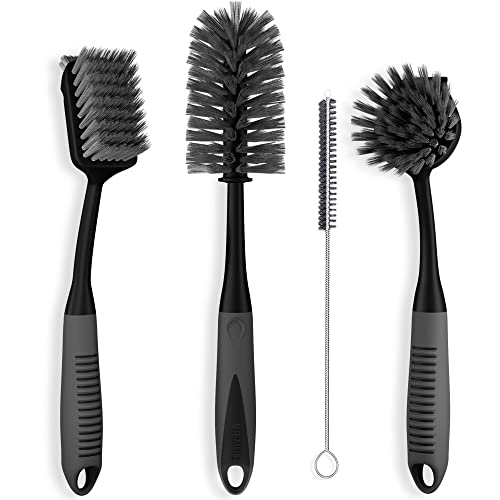


Top 3 picks at a glance
Quick comparison: which tool is best for your washing routine?
| Tool type | Cleaning power | Material safety | Drying design | Typical replacement cost | Best use |
|---|---|---|---|---|---|
| Dish brush | High on edges, corners, and food residue | Usually safe on glass, ceramic, and coated pans when bristles are soft | Good if stored upright or hung | $5–$15 every 2–6 months | Daily plates, mugs, bottles, and greasy cookware |
| Non-scratch scrubber | Very high on dried or baked-on food | Safe only when labeled non-scratch and used with suitable pressure | Fair to good; depends on thickness and hanging loop | $3–$10 every 1–3 months | Sheet pans, pots, stovetop-safe cookware |
| Cellulose or microfiber sponge | Medium to high over large flat areas | Cellulose is gentle; abrasive layers require caution | Often poor unless squeezed and stored in an open rack | $1–$5 every 1–3 weeks | Plates, counters, glass, and quick general cleaning |
| Soap-dispensing brush | Medium to high, depending on bristle stiffness | Soft bristles are suitable for most dishes; avoid harsh heads on coatings | Good when the handle has a stand or hanging hole | $8–$20 every 2–6 months | Fast one-handed washing and reduced soap handling |
Dish brushes: the best all-rounder for speed and hygiene
A dish brush is usually the best starting point because its bristles concentrate force over a small area. That makes it effective against dried sauce around plate rims, grease on utensils, and residue in seams that a flat sponge may glide over. The handle also reduces direct contact with hot water and dirty wash water.
Look for a brush with medium-density nylon or polypropylene bristles, a comfortable non-slip handle, and either a hanging hole or a stable upright base. A replaceable-head design can lower long-term waste, but only if replacement heads remain available and cost substantially less than a new brush.
Soft bristles are preferable for nonstick cookware, painted surfaces, polished stainless steel, and delicate glass. Stiffer bristles are useful for cast iron, uncoated stainless steel, and hard plastic containers, but they can leave fine marks on softer finishes. Do not use the same brush for dishes and raw-meat preparation surfaces unless you can sanitize it properly.
Best dish brush choice by workload
- Mostly plates and mugs: choose a medium-bristle brush with a short, rigid head.
- Many bottles and narrow glasses: choose a long-handled bottle brush with a flexible neck.
- Frequent greasy pans: choose a larger head with stiff outer bristles and a comfortable grip.
- Small sink or limited storage: choose a hanging design rather than a wide stand.
Scrubbers: strongest option for stuck-on food
Scrubbers are faster than sponges when food has dried onto a pan or baking dish. Their textured surface creates more friction, so you can remove residue with fewer passes. Non-scratch nylon mesh and plastic fiber scrubbers are safer general-purpose choices than steel wool, particularly around stainless-steel finishes and coated cookware.
Use a scrubber after soaking rather than trying to compensate for a short soak with excessive pressure. A practical method is to cover the residue with hot water and detergent for 5–10 minutes, then scrub in overlapping strokes. The soak softens the food layer; the scrubber only needs to break its bond with the surface.
Steel wool and aggressive scouring pads should be reserved for compatible uncoated surfaces. They can scratch nonstick coatings, enamel, plastic, brushed stainless steel, and glass. If the package does not clearly identify a scrubber as non-scratch, treat it as abrasive.
Sponges: efficient coverage, but demanding drying habits
Sponges are excellent when speed comes from covering a large area. Their broad face reaches across plates and countertops, while a textured side can handle light residue. Cellulose sponges absorb water well and are gentle, but that same water retention creates the main weakness: a wet sponge can develop an unpleasant odor quickly if it remains compressed in the sink.
Choose a sponge with an open texture, a thin profile, or a built-in hanging tab. After washing, rinse out food particles, squeeze the sponge until it is only damp, and store it in an open rack where air reaches both sides. A sealed soap dish or a sponge sitting flat at the bottom of the sink slows drying.
Replace a sponge when it smells after rinsing, remains slimy, develops tears, or no longer rinses clean. For a busy household, replacing a sponge every 1–3 weeks is more realistic than keeping one for months.
Soap-dispensing brushes: fastest for one-handed washing
A soap-dispensing brush combines a handle, cleaning head, and detergent reservoir. Pressing a button or cap releases a small amount of soap directly onto the bristles. This is useful when your other hand is holding a slippery pan, and it can reduce interruptions caused by reaching for a separate soap bottle.
The trade-off is maintenance. A dispenser that leaks, clogs, or has a narrow refill opening can waste more time than it saves. Prefer a model with a wide reservoir, a secure seal, a visible fill level, and a head that can be replaced or removed for rinsing.
Do not fill the reservoir completely with concentrated detergent if the instructions recommend dilution. Thick soap can block the internal channel. If the brush starts delivering less soap, flush the reservoir with warm water and operate the pump repeatedly before adding fresh detergent.
Decision matrix: match the tool to your dishes
| Your situation | Primary tool | Useful secondary tool | Why this combination works |
|---|---|---|---|
| Mostly lightly soiled plates and cups | Medium dish brush | Thin cellulose sponge | The brush handles edges; the sponge quickly covers broad surfaces. |
| Frequent dried food on cookware | Non-scratch scrubber | Dish brush | Soaking plus friction removes residue without relying on sharp abrasives. |
| Nonstick pans or delicate finishes | Soft-bristle brush | Non-abrasive sponge | Both minimize scratching while still lifting grease. |
| Small sink and limited counter space | Hanging soap-dispensing brush | Compact scrubber | Both can be stored vertically and keep the basin less crowded. |
| Dishwasher pre-rinsing | Scraper-style brush | Rinseable scrubber | They remove solids efficiently without soaking a sponge in food waste. |
Replacement cost: calculate the cheaper tool before buying
The lowest purchase price is not always the lowest annual cost. For example, suppose a $3 sponge lasts two weeks while a $10 dish brush lasts four months:
- Sponge: 52 weeks ÷ 2 = 26 sponges per year; 26 × $3 = $78 annually.
- Dish brush: 12 months ÷ 4 = 3 brushes per year; 3 × $10 = $30 annually.
The brush costs more at checkout but saves about $48 per year in this example. However, a sponge can still be the better choice for someone who needs fast coverage and replaces it regularly for odor control. A balanced setup may use a brush for most dishes and a low-cost sponge only for clean, broad surfaces.
Material safety and drying features to prioritize
- For nonstick cookware: use soft nylon bristles or a clearly labeled non-scratch sponge; avoid metal fibers and harsh scouring pads.
- For glass: use soft bristles or a smooth cellulose sponge, and check that trapped grit is rinsed away before wiping.
- For stainless steel: clean with the grain when possible and avoid abrasive pads that can create visible directional scratches.
- For wooden utensils: use a brush that cleans quickly, then dry the utensil immediately rather than leaving it submerged.
- For every tool: prioritize hanging holes, open racks, raised feet, drainage slots, or removable heads.
How to build the fastest three-tool setup
For most kitchens, start with a medium-bristle dish brush, add a non-scratch scrubber for cookware, and keep one thin sponge for plates or counter cleanup. Wash in this order: glasses and lightly soiled items first, plates and utensils next, then greasy pans. Rinse each tool as you change from cleaner dishes to dirtier cookware.
This setup avoids asking one tool to do everything. The brush supplies reach and control, the scrubber supplies extra friction when soaking is not enough, and the sponge handles broad, delicate surfaces. Store all three where air can circulate, and replace each according to its actual condition rather than a fixed calendar.
Frequently asked questions
How should I store a dish brush after washing?
Store a dish brush upright or hang it so air can reach the bristles and handle. Look for a hanging hole or stable upright base when choosing one. Keeping the brush away from standing water helps it dry more quickly. A hanging design is especially useful in a small sink or when counter space is limited.
Can I use one cleaning tool for both dishes and raw-meat surfaces?
Do not use the same brush for dishes and raw-meat preparation surfaces unless you can sanitize it properly. Separate tools can help avoid transferring food residue between uses. For ordinary dishes, select bristles appropriate to the finish, and rinse the tool after cleaning so trapped particles do not remain on the surface.
How can I prevent a sponge from developing an odor?
Prevent sponge odors by rinsing out food particles, squeezing the sponge until it is only damp, and storing it in an open rack. Air should reach both sides. Avoid leaving it compressed in the sink, sealed in a soap dish, or flat at the bottom of the sink, because those conditions slow drying.
What should I do if a soap-dispensing brush becomes clogged?
Flush the reservoir with warm water and operate the pump repeatedly before adding fresh detergent. Thick soap can block the internal channel, so follow the product instructions about dilution rather than filling the reservoir with concentrated detergent. A wide reservoir, secure seal, visible fill level, and removable head can also make maintenance easier.
Which cleaning tools are safest for delicate cookware and surfaces?
Use soft nylon bristles or a clearly labeled non-scratch sponge for nonstick cookware. Soft bristles or a smooth cellulose sponge suit glass, while stainless steel should be cleaned with the grain when possible. Avoid metal fibers and harsh scouring pads on nonstick coatings, enamel, plastic, brushed stainless steel, and glass.
Final recommendation
Choose a dish brush as your main tool if you want the best balance of cleaning power, drying speed, material safety, and replacement cost. Add a non-scratch scrubber for baked-on food, select a sponge only when broad surface coverage matters most, and choose a soap-dispensing brush when one-handed washing and fewer sink interruptions are your priorities.