Our Top Picks
 LUTEC 72W 7500LM LED Security Lights Motion Sensor1 Pack12.99 x 8.07 x 5.12 inches2.44 PoundsCheck on Amazon
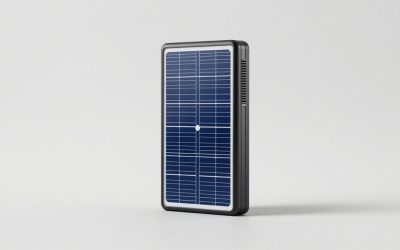
 Tuffenough Solar Outdoor Lights 2500LM 210 LED Security2 Pack1.85 x 3 x 3 inches2.5 PoundsCheck on Amazon
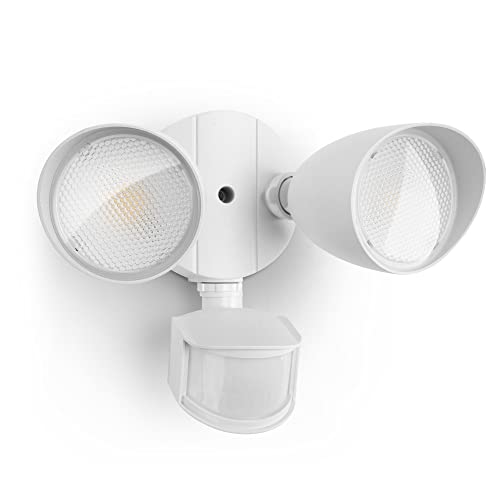
 LEPOWER Hardwired LED Security Lights Motion Sensor Outdoor10.09"L x 4.40"W x 7.17"H10.12 x 4.51 x 7.55 inches1.59 poundsCheck on Amazon
Top 3 picks at a glance
Best Motion Sensor Lights for Security: Choose by Coverage, Controls, and Power
The best motion sensor lights for security match the area you need to cover: choose a hardwired dual-head floodlight for a driveway, an adjustable wall light for an entrance, or a solar light where wiring is impractical. Prioritize usable detection distance, overlapping light coverage, adjustable activation settings, and weather resistance over headline lumen or range claims alone.
Start with the area, not the product name
Motion lights deter opportunistic activity and make it easier to see who or what is approaching. They are not a substitute for a camera, a locked gate, or continuous lighting. Before comparing models, identify the approach path and the point where you want the light to activate. A sensor pointed at a busy sidewalk may trigger constantly; one aimed too narrowly can miss someone approaching from the side.
As an Amazon Associate we earn from qualifying purchases at no extra cost to you.


| Location and constraint | Best-fit light type | Useful starting point | What to watch for |
|---|---|---|---|
| Single-car driveway, existing wiring | Hardwired, adjustable two-head floodlight | 1,800–3,000 lumens; sensor coverage around 120°–180° | Keep the sensor from facing the street or moving tree branches. |
| Wide driveway or yard, existing wiring | Higher-output floodlight or two overlapping fixtures | 3,000–4,000 lumens total; aim heads at separate zones | One bright fixture may leave dark edges or harsh shadows. |
| Front or side entrance | Wall-mounted motion light with adjustable sensor | 800–1,500 lumens; short timer and moderate sensitivity | A porch roof, wall corner, or parked vehicle can obstruct detection. |
| Detached shed or unwired path | Solar light with a separate panel, or a battery model | Panel with a sunny exposure; aim the light along the approach | Shade and winter daylight can reduce charging and runtime. |
What matters when comparing motion sensor lights
Detection range and field of view
Advertised sensor range is usually measured under favorable conditions. Real detection varies with mounting height, temperature, the size and speed of the target, and the sensor’s angle. A person crossing the sensor’s view is often easier to detect than someone walking directly toward it. For a driveway, favor a broad, adjustable field of view; for a narrow entrance, avoid paying extra for a wide zone you cannot aim away from the street.
Check whether the product lets you mask parts of the detection area or adjust sensitivity. These controls help reduce triggers from sidewalks, pets, and foliage. If specifications list a detection distance but not the sensor angle or mounting guidance, treat the distance as a best-case figure rather than a guarantee.
Lighting coverage, not just lumens
Lumens measure total light output, not how evenly the ground is lit. Beam pattern, mounting height, fixture direction, and obstacles all affect coverage. A two-head light is useful because each head can illuminate a different part of a driveway or yard. Aim the beams slightly down and away from windows; a high, level beam can create glare while leaving the ground comparatively dim.
As a practical starting point, one 2,000-lumen fixture may suit a compact driveway, while a broad two-car drive or yard may need roughly 3,000–4,000 lumens total or two fixtures. These are planning ranges, not guaranteed brightness at ground level. If you need consistent visibility across a large area, overlapping lights usually work better than a single extreme-output fixture.
Activation and timer controls
Look for separate adjustments for sensitivity, dusk-to-dawn threshold, and how long the light stays on. A manual override can be useful when you want the light to remain on temporarily, but check how it resets; some fixtures return to motion mode after a switch cycle. Smart alerts or app control are optional conveniences, not necessities for basic security lighting.
For a residential entrance, start with a 1–3 minute on-time. That is long enough to reach a door without leaving the light burning after a brief trigger. For a driveway or yard, 2–5 minutes can be more practical. Set sensitivity low enough to ignore routine movement beyond the property, then increase it only if the intended approach fails to trigger the light.
Weather resistance and power
For exposed outdoor installation, check the fixture’s IP rating and temperature limits, and follow local electrical requirements. An IP rating indicates protection against dust and water under specified test conditions; it does not mean a light can be submerged or installed with an unsealed junction box. In a sheltered porch, exposure may be less severe than on a wall facing wind-driven rain.
Hardwired lights provide dependable power and avoid battery charging, but installation may require an existing junction box or an electrician. Solar models avoid trenching and wiring, though their performance depends on panel exposure, season, and weather. Battery models can work for a small entrance or shed, but frequent activations shorten the time between replacements or charges. For solar fixtures, a remote panel can be a better choice than an integrated panel if the light’s mounting position stays shaded.
Estimate solar runtime before you buy
A simple energy estimate helps reveal why solar claims can be misleading. Suppose a light uses 10 watts while on, stays lit for 30 seconds per activation, and triggers 20 times per night. That is 600 seconds, or 0.167 hours, of illumination. Its approximate nightly energy use is:
10 W × 0.167 h = 1.67 Wh per night.
A nominal 10 Wh battery would appear to cover about six such nights on paper (10 ÷ 1.67), before accounting for conversion losses, cold temperatures, battery aging, or standby draw. If the light instead triggers 60 times per night, consumption rises to about 5 Wh nightly, cutting that simple estimate to two nights. This is why a shaded panel, an overly sensitive sensor, or a long timer can make a solar light seem underpowered even when its listed battery capacity looks substantial.
Placement: aim for the approach path
- Driveway: Mount the light above likely obstructions and aim each head across a different section. Angle the sensor toward the route vehicles or people take onto the property, not toward passing traffic.
- Entrance: Position the sensor to catch someone before they reach the door. Check that the door itself, porch columns, or a deep overhang do not block its view.
- Yard: Divide a large area into zones. Put fixtures at the edges and direct them inward rather than relying on one central light to reach every corner.
- Solar location: Place the panel where it receives as much direct sun as possible, even if that means using a separate panel cable. Recheck exposure as seasons change.
Follow the manufacturer’s mounting-height range; mounting higher is not always better. A sensor installed too high may detect less reliably at ground level, while one mounted too low can be blocked by shrubs or vehicles. After installation, walk across the intended approach at several angles and adjust the sensor before changing sensitivity.
Make the choice that fits your setup
For a wired driveway, a dual-head floodlight with adjustable detection and a 1–5 minute timer is the practical starting point. For an entrance, choose a compact wall fixture with controls that can limit triggers from the street. For a yard without wiring, compare a solar model with a separately placeable panel against the effort of running power; choose a battery fixture only if its charging or replacement schedule is acceptable.
In every case, confirm the sensor’s actual aiming options, the fixture’s outdoor rating, and the installation requirements before purchase. A well-aimed, moderately bright light that activates at the right moment is usually more useful than a brighter fixture that points at the wrong area.
Frequently asked questions
Can motion sensor lights replace a security camera?
No, motion sensor lights are not a substitute for a camera, locked gate, or continuous lighting. They can deter opportunistic activity and make it easier to see who or what is approaching. For better results, use the light to illuminate the intended approach path while recognizing that it provides timed illumination rather than video, identification, or continuous property monitoring.
Why does a motion light trigger when nobody is entering my property?
A motion light may trigger because its sensor is aimed at a busy sidewalk, pets, moving tree branches, or routine movement beyond the property. Lower the sensitivity, adjust the field of view, or mask parts of the detection area if the fixture allows it. Recheck the sensor’s direction before changing other settings, especially near streets or foliage.
How should I test the sensor after installing the light?
Walk across the intended approach at several angles after installation, then adjust the sensor before changing its sensitivity. Someone crossing the sensor’s view is often easier to detect than someone walking directly toward it. Check that doors, porch columns, deep overhangs, parked vehicles, or shrubs do not obstruct the sensor or the light’s coverage.
What should I do if my solar motion light stops working quickly?
Check the panel’s exposure, activation frequency, timer length, and battery capacity. Shade and winter daylight can reduce charging and runtime, while frequent activations increase nightly energy use. A remote panel may help when the light’s mounting position is shaded. Also account for conversion losses, cold temperatures, battery aging, and standby draw when estimating runtime.
Do I need an electrician to install a hardwired motion light?
You may need an electrician for a hardwired light, particularly if there is no existing junction box or if local electrical requirements apply. Hardwired fixtures provide dependable power, but installation must follow those requirements. Solar models avoid trenching and wiring, while battery models can suit a small entrance or shed if charging or replacement demands are acceptable.