Thinking about playing Dead or Alive 6 on PC and wondering what hardware you actually need? Dead or Alive 6 — listed on Steam as DEAD OR ALIVE 6 Last Round — is a 3D fighting game built around stylish moves, striking animations and a cast of colourful characters going head-to-head in one-on-one battles. Fighting games live and die by consistent frame rates, but the good news is that the hardware bar here is modest: the official minimum is a GTX 1060-class card with 8 GB of RAM, and the recommended spec only steps up to a GTX 1070 or RX 5700 XT. This guide breaks down the official PC requirements for Dead or Alive 6, the best GPU for each resolution, and complete build recommendations, plus what to do if you are upgrading an older machine.
As an Amazon Associate we earn from qualifying purchases at no extra cost to you.


Our Top Picks
 ASUS Dual GeForce RTX 5060 Ti 16GB GDDR7RTX5060Ti|OC|16GB9 x 4.7 x 2 Inches1.4 PoundsCheck on Amazon
 GIGABYTE GeForce RTX 4070 Super WINDFORCE OC 12G2" x 5" x 10.3"10.27 x 4.96 x 0.1 Inches2.8 poundsCheck on Amazon


Top 3 picks at a glance
How Demanding Is Dead or Alive 6?
Dead or Alive 6 is a light-to-moderate load by modern standards. It is a 3D fighting game rather than an open-world, simulation or strategy title: each match puts two characters in a contained arena, so the graphics card does most of the work and the processor is rarely the limiting factor. The official minimum — a GeForce GTX 1060 with 6 GB of VRAM or a Radeon RX 590 with 8 GB — is an older mid-range tier, and the recommended spec (GTX 1070 or RX 5700 XT) is only one step above it. In practical terms that means hardware from several generations back can still run the game, and a current mainstream GPU has headroom to spare. The two things worth planning around are storage and the operating system: the official spec asks for 80 GB of free space and lists an SSD as required, with no mechanical-drive option, and Windows 11 with DirectX 12 is the supported baseline. For competitive play, aim for a stable, consistent frame rate rather than maxed-out visuals — consistency matters more than eye candy when you are timing counters and throws. Always check the game’s official store page for the current published requirements.
Dead or Alive 6 Official PC System Requirements
Below are the developer-published requirements for Dead or Alive 6 on PC. Note that Windows 11, DirectX 12, an SSD, 80 GB of available space and a broadband connection are listed at both tiers, and the sound card entry specifies 48000Hz 16bit stereo.
| Component | Minimum (official) | Recommended (official) |
|---|---|---|
| OS | Windows® 11 | Windows® 11 |
| Processor | Intel Core i5-8400 or higher, AMD Ryzen3 3100 or higher | Intel Core i7-8700 or higher, AMD Ryzen5 3600XT or higher |
| Memory | 8 GB RAM | 16 GB RAM |
| Graphics | GeForce GTX 1060 (VRAM 6GB) or higher, Radeon RX 590 (VRAM 8GB) or higher | GeForce GTX 1070 (VRAM 8GB) or higher, Radeon RX 5700 XT (VRAM 8GB) or higher |
| DirectX | Version 12 | Version 12 |
| Storage | 80 GB available space | 80 GB available space |
Source: the official DEAD OR ALIVE 6 Last Round Steam store listing (app 4144680), checked October 2026. Publishers can update these specs after patches.
Best GPU for Dead or Alive 6 by Resolution
Because the official bar is an older mid-range GPU, every tier below is really about how much headroom you want rather than whether the game will run.
1080p
At 1080p the official minimum already covers you: a GTX 1060 6 GB or Radeon RX 590 8 GB will play Dead or Alive 6 with settings dialled back, and the recommended GTX 1070 / RX 5700 XT tier handles 1080p without much effort. If you are buying new, the AMD Radeon RX 7600 (or a comparable current card such as an RTX 5060) sits well above the official recommendation, so it leaves plenty of headroom for higher settings and high-refresh displays.
1440p
For 1440p, the recommended spec is the sensible floor and a modern mid-range card is the comfortable choice. Something in the RTX 5060 Ti or RX 9060 XT class and above will take 1440p in its stride, and the NVIDIA GeForce RTX 4070 SUPER is considerably more than this game needs — it gives you plenty of headroom at high-refresh 1440p and room for heavier titles besides. This is the resolution most PC gamers target, and Dead or Alive 6 is not a game that will punish you there.
4K
4K is more achievable here than in most modern releases. Since the recommended GPU is only a GTX 1070 or RX 5700 XT, a current upper mid-range card such as an RTX 5070 or RX 9070 has room to push 4K, and the NVIDIA GeForce RTX 4070 Ti SUPER is comfortably beyond what Dead or Alive 6 demands. If you are on older hardware, upscaling — DLSS, FSR or XeSS — is the easy way to reach 4K on a card that would otherwise fall short.
CPU, RAM and Storage for Dead or Alive 6
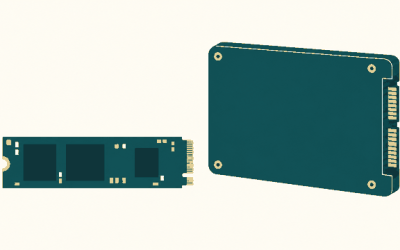
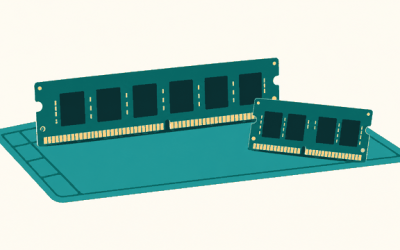
Dead or Alive 6 is not a CPU-heavy game. The official minimum asks for a six-core Intel Core i5-8400 or an AMD Ryzen 3 3100, and the recommended tier only steps up to an Intel Core i7-8700 or AMD Ryzen 5 3600XT — modest by today’s standards, because a 3D fighter only has two characters and a single arena to keep track of. In other words, almost any modern desktop processor will keep this game fed, and you do not need to buy a high-end chip for it. If you want a fast, current platform anyway, the AMD Ryzen 5 7600 is excellent value for gaming, the AMD Ryzen 7 7800X3D is the fastest mainstream gaming CPU if you want maximum frame rates, and Intel fans can opt for the Intel Core i5-14600K — all three are well beyond what this title asks for. For memory, 8 GB is the official minimum and 16 GB is the recommended figure, which is also the practical target for a modern gaming PC; a 32 GB kit such as the Corsair Vengeance DDR5 32GB is more than enough for this game and simply gives you headroom for heavier ones. Storage is the one area where the spec is strict: an SSD is required rather than recommended, alongside 80 GB of free space. Install the game on a fast NVMe SSD like the Samsung 990 Pro 2TB NVMe SSD to keep load times short.
Recommended PC Builds for Dead or Alive 6
1080p budget build: AMD Radeon RX 7600 + AMD Ryzen 5 7600 + 16 GB DDR5 — comfortably above the official recommended spec, so you can run high settings at 1080p. On a tighter budget, any card that matches or beats the official minimum (GTX 1060 6 GB, RX 590, or a newer entry-level equivalent such as an RX 6600) paired with a six-core CPU and 16 GB of RAM will still play the game without trouble.
1440p sweet-spot build: NVIDIA GeForce RTX 4070 SUPER + AMD Ryzen 7 7800X3D + 32 GB DDR5 + 2TB NVMe SSD — far more than Dead or Alive 6 needs, which means it stays quiet and cool while leaving room for heavier games.
4K high-end build: NVIDIA GeForce RTX 4070 Ti SUPER + AMD Ryzen 7 7800X3D + 32 GB DDR5 + fast NVMe SSD — for 4K. Given that the game’s recommended GPU is only a GTX 1070 or RX 5700 XT, this build carries a large amount of headroom and should handle 4K without having to lean on upscaling.
Is It Worth Upgrading Your PC for Dead or Alive 6?
If your current graphics card is a generation or two old, Dead or Alive 6 is probably not the reason to upgrade — its official minimum sits at an older mid-range tier, so a card from several years ago may already be enough. The exception is if you are still on integrated graphics or a pre-2016 GPU, in which case a modern mainstream card is a big step up. Be strategic about it: the graphics card delivers by far the largest gain in gaming performance, so upgrade the GPU first if you have to choose. The CPU bar here is low, so a mid-range processor from the last few years will not hold this game back, and you can usually keep the one you have. Where a small spend does pay off is storage and memory: the game requires an SSD and 80 GB of space, so make sure you have a drive that meets that, plus 16 GB of RAM. Rather than replacing everything at once, target the weakest link in your build for the best value.
Can You Play Dead or Alive 6 on a Laptop or Handheld?
Gaming laptops are an easy fit. Any laptop with a discrete GPU at or above the official recommended tier — roughly GTX 1070 or RX 5700 XT-class mobile hardware — will handle Dead or Alive 6, and a modern laptop with an RTX 4060-class mobile GPU has plenty of headroom. Expect more heat and shorter battery life than a desktop, and check that the machine has an SSD with 80 GB free, since that is part of the official spec. Handhelds are a different story: the official minimum calls for a discrete-class GPU with 6–8 GB of VRAM, which is more than most handheld integrated graphics can match. Steam Deck-style devices will therefore need lower settings and upscaling, and the more powerful handhelds such as the ROG Ally X get closest to the published spec. If portability matters, prioritise a device with a capable GPU and a fast SSD.
How to Boost FPS in Dead or Alive 6
If frame rates are low, enable upscaling — DLSS on NVIDIA, FSR on AMD, or XeSS on Intel — which is usually the single biggest performance gain available. After that, drop the most expensive effects first: shadows, volumetric lighting and post-processing tend to cost the most for the least visual benefit in a fighting game, while the character models and animation work are exactly what you want to keep looking clean. Lowering resolution is the other reliable lever, and because this game is not CPU-bound, you can usually keep detail settings reasonably high while you do it. Keep your GPU drivers up to date, close background apps, and make sure the game is installed on an SSD — the official spec requires one, and it also helps load times. Above all, chase a stable, consistent frame rate rather than maxed-out visuals, since fighting games depend on consistent timing.
Frequently Asked Questions
Can my PC run Dead or Alive 6?
Check your hardware against the official spec. The minimum is a GeForce GTX 1060 (6 GB) or Radeon RX 590 (8 GB), an Intel Core i5-8400 or AMD Ryzen 3 3100, 8 GB of RAM, Windows 11, DirectX 12 and 80 GB of space on an SSD. The recommended tier is a GeForce GTX 1070 or Radeon RX 5700 XT, an Intel Core i7-8700 or AMD Ryzen 5 3600XT, and 16 GB of RAM. If you meet or beat those figures, you are set.
Is Dead or Alive 6 demanding on PC?
No — it is a light-to-moderate title. The official minimum is an older mid-range GPU and the recommended spec is only one step above it, so mid-range hardware from several generations back can still run it well.
What GPU do I need for Dead or Alive 6 at 1440p 60fps?
1440p is comfortably within reach of the recommended tier: a GTX 1070 or RX 5700 XT meets the official recommended spec, and a modern mid-range card such as the NVIDIA GeForce RTX 4070 SUPER gives you a large amount of headroom for high settings at 1440p, plus room for other titles. Cards in this tier are well beyond what this particular game asks for.
How much RAM does Dead or Alive 6 need?
The official minimum is 8 GB and the recommended figure is 16 GB. 16 GB is the sensible target for a modern gaming PC, but this game does not need 32 GB, and faster memory makes little difference to a title that is not CPU-bound.
Do I need an SSD for Dead or Alive 6?
Yes — the official requirements list an SSD as required, not optional, along with 80 GB of available space. An NVMe drive like the Samsung 990 Pro is ideal for modern games and will keep load times short.