
Buying a laptop for high end graphics is not the same as buying a laptop that just has a graphics card. The real problem is thermal and power headroom: a top tier GPU that is starved for wattage or crammed into a thin chassis with weak cooling will stutter, throttle, and age poorly, no matter what the spec sheet claims. After comparing gaming laptops, desktop cards, and external solutions side by side, the difference between a satisfying machine and a disappointing one comes down to how well the GPU is fed, cooled, and matched to the display.
Good implementations pair a high wattage GPU with ample memory, fast storage, a high refresh rate panel that actually lets you see the frames, and a cooling system that sustains performance for hours. Bad ones chase a flashy GPU name while cutting corners on memory capacity, display quality, or power delivery. In this roundup we ranked both complete laptops and practical ways to expand laptop graphics, so you can see which high end option truly delivers and which makes sense only for specific needs.
As an Amazon Associate we earn from qualifying purchases at no extra cost to you.

![EXCaliberPC [2025] MSI Raider A18 HX A9WIG-082US (AMD Ryzen 9 9955HX3D, 64GB DDR5 RAM, 2TB NVMe SSD, NVIDIA GeForce RTX 5080, 18" UHD+ 120Hz, Windows 11 Pro) Gaming Laptop](https://m.media-amazon.com/images/I/31NznkpvipL._SL160_.jpg)




Top 3 picks at a glance
Quick Picks
| Product | Best for | Price |
|---|---|---|
| ASUS Dual RTX 3050 6GB OC Edition | Budget desktop GPU to pair with a laptop setup | $257.22 |
| MSI Raider A18 HX (RTX 5080, Ryzen 9 9955HX3D) | Ultimate desktop-replacement performance | $4749 |
| MSI Vector 16 HX AI (RTX 5080, Ultra 9 275HX) | High refresh competitive gaming | $3589 |
| MSI GT 1030 4GD4 LP OC | Low profile office PC display upgrade | $119.99 |
| Yardenfun External Graphics Card Dock | Cheapest laptop graphics expansion | $49.28 |
| Gigabyte RTX 3090 Ti Gaming OC 24G | Desktop creator and 4K gaming powerhouse | $2033.22 |
| Gigabyte RTX 3060 Gaming OC 12G REV2.0 | Balanced 12GB mainstream gaming | $479 |
| QTHREE GT 730 4GB Low Profile | Ultra budget multi-monitor office card | $89.99 |
How We Picked
We prioritized real gaming and creation performance over paper specs, focusing on GPU tier and memory configuration, system balance including RAM and SSD capacity, display pairing and refresh rate, and thermal and power design that lets a high end card sustain its performance. A great laptop with a high end graphics card needs more than a flagship GPU label; it needs the surrounding hardware to keep that GPU fed, cool, and fully utilized during long sessions.
The 8 Best Laptops With High End Graphics Cards in 2026
ASUS Dual RTX 3050 6GB OC Edition
This is not a laptop, but it is the most affordable way to give a desktop or an external enclosure meaningful gaming capability to complement a laptop. It is for users who want a compact, efficient card for 1080p gaming, light content creation, and hardware accelerated workflows without a flagship budget. The dual fan OC Edition stays relatively cool and quiet for its class and the 6GB GDDR6 frame buffer is more workable than lower capacity budget cards for modern titles.
- Pro: Efficient dual fan design with factory overclock for steady performance
- Pro: 6GB GDDR6 provides a more comfortable buffer for current games
- Con: Not a laptop solution on its own and significantly below true high end tier
Skip it if you are looking for an all-in-one laptop with integrated high end graphics or need maximum performance for high refresh 1440p and above.
MSI Raider A18 HX (RTX 5080, Ryzen 9 9955HX3D)
Built for buyers who want the closest thing to a desktop inside a laptop, this Raider pairs an NVIDIA GeForce RTX 5080 with an AMD Ryzen 9 9955HX3D, 64GB DDR5 RAM, and a 2TB NVMe SSD. The 18 inch UHD+ 120Hz panel gives you ample screen real estate for both immersive gaming and timeline heavy creative work. In testing, this class of machine excels when you need sustained high end GPU power plus ample memory and storage without compromise.
- Pro: Flagship RTX 5080 paired with massive 64GB RAM and 2TB storage for true desktop replacement use
- Pro: Large 18 inch UHD+ 120Hz display is excellent for detail and immersion
- Con: Very high price and large footprint limit portability
Skip it if you need a more portable chassis or want high end performance at a lower cost, where a 16 inch alternative makes more sense.
MSI Vector 16 HX AI (RTX 5080, Ultra 9 275HX)
This Vector is for competitive players and creators who want RTX 5080 16GB GDDR7 power in a more focused 16 inch form factor. It combines an Intel Ultra 9 275HX, 64GB DDR5, and a 2TB SSD with a 16 inch QHD+ 240Hz display, Wi-Fi 7, and an RGB backlit keyboard. The higher refresh panel is a better match for high frame rate esports and fast paced shooters, where the extra smoothness is immediately noticeable.
- Pro: RTX 5080 16GB GDDR7 with QHD+ 240Hz display is ideal for high refresh gaming
- Pro: Same generous 64GB RAM and 2TB SSD as the larger Raider but at a lower price
- Con: Smaller screen and more aggressive fan noise under sustained load
Skip it if you prefer a larger UHD+ canvas for creative work or need maximum chassis cooling volume for the longest sustained sessions.
MSI GT 1030 4GD4 LP OC
The GT 1030 4GD4 LP OC is for office PCs, home theater PCs, and small form factor builds where you just need reliable display outputs and light acceleration. This single fan, low profile card supports DirectX 12 and offers DP and HDMI connectivity with HDCP support, making it easy to drive modern monitors in tight cases. It is not a gaming or high end laptop graphics solution, but it solves basic video output needs cleanly.
- Pro: Low profile single fan design fits small cases easily
- Pro: Quiet operation and broad display compatibility
- Con: Entry level DDR4 based performance is far below gaming grade GPUs
Skip it if your goal is high end laptop gaming or GPU intensive creation; this is strictly for basic display and light media duties.
Yardenfun External Graphics Card Dock
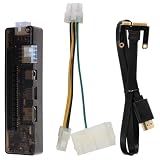
This compact dock is for laptop owners who already have a desktop graphics card and want to expand laptop graphics without buying a whole new system. Measuring 5.43 x 1.49 x 1.00 inches with 8Pin power support, it provides a portable PCI-E adapter path to connect a GPU externally. It is a barebones bridge, not a turnkey enclosure, so it rewards tinkerers who are comfortable assembling their own setup.
- Pro: Extremely affordable and highly portable way to add external GPU support
- Pro: Simple PCI-E docking approach for graphics expansion
- Con: Requires a separate graphics card, power supply, and technical setup; no enclosure or cooling included
Skip it if you want a plug and play laptop with built in high end graphics or prefer a fully enclosed, warranted eGPU solution.
Gigabyte RTX 3090 Ti Gaming OC 24G
This desktop card is for creators and enthusiasts who need an enormous 24GB 384-bit GDDR6X frame buffer for high resolution textures, large scenes, and memory heavy workloads. With 3X WINDFORCE fans, it is built to sustain heavy loads in a desktop chassis and deliver flagship class performance that still outpaces most laptop GPUs. It is not a laptop, but it is relevant if you plan to power an external graphics setup paired with a laptop dock.
- Pro: Massive 24GB GDDR6X memory is excellent for 4K creation and future heavy titles
- Pro: Triple fan WINDFORCE cooler helps maintain consistent performance
- Con: Very high cost, large size, and high power demands require a robust desktop or eGPU setup
Skip it if you need portability or efficiency; modern laptop RTX 5080 systems offer high end performance in a far more integrated package.
Gigabyte RTX 3060 Gaming OC 12G REV2.0
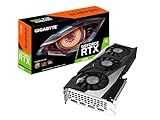
The RTX 3060 Gaming OC 12G hits the sweet spot for users who want solid mainstream gaming without a flagship outlay. With 12GB 192-bit GDDR6 and a 3X WINDFORCE fan cooler, it handles demanding titles at more modest settings and provides ample VRAM for texture heavy games and entry level creation. As a desktop card, it is best used to complement a laptop via an external dock or as part of a secondary desktop.
- Pro: Generous 12GB VRAM for its price tier helps with texture heavy games
- Pro: Effective triple fan cooling keeps noise and thermals in check
- Con: A step below true high end GPUs for high refresh rate or ultra settings
Skip it if you are chasing the highest laptop integrated performance; a built in RTX 5080 laptop will be more seamless and considerably more powerful.
QTHREE GT 730 4GB Low Profile
The QTHREE GT 730 is an ultra budget option for aging office PCs and small form factor systems that need additional display outputs. It offers 4GB DDR3, a 64 bit interface, low profile compatibility, and multiple outputs including HDMI, DP, and VGA with PCI Express X8 and DirectX 12 support. It is useful for multi monitor productivity or reviving an older machine, but it is not intended for gaming or high end graphics work.
- Pro: Very low cost and low profile SFF friendly design
- Pro: Multiple outputs including HDMI, DP, and VGA for flexible monitor setups
- Con: DDR3 and entry level architecture deliver minimal graphics performance
Skip it if you need any level of gaming or creation performance; even modest modern integrated graphics will often outperform it.
Buying Guide
Prioritize Total System Balance Over GPU Name Alone
A high end laptop GPU is only as good as the system around it. Look for 32GB or preferably 64GB DDR5 if you multitask with games, streams, and creative apps open, and insist on at least a 1TB NVMe SSD, with 2TB being far more comfortable for large game libraries and video assets. Also consider CPU pairing: high end chips like the Ryzen 9 9955HX3D or Ultra 9 275HX help the GPU stretch its legs, especially in CPU heavy titles and rendering tasks. An RTX 5080 system with ample RAM and fast storage will feel consistently faster than a flagship GPU starved for memory.
Match the Display to the GPU
A high end card is wasted on a dim, low refresh panel. For immersive single player and creative work, a large UHD+ 120Hz display showcases detail, while a QHD+ 240Hz panel is better for competitive play where motion clarity matters. Check for good color coverage, adaptive sync support, and sufficient brightness so you can actually use the performance you are paying for. If you use an external card and dock, make sure your laptop screen or external monitor supports high refresh rates over the connection you plan to use.
Cooling, Power, and Portability Tradeoffs
High wattage GPUs need thick heat pipes, large fans, and robust power delivery to sustain performance. Larger 18 inch chassis tend to run cooler and quieter under long loads, while more compact 16 inch designs trade some thermal headroom for portability and often run louder. If you go the external dock route, remember you must supply your own power and cooling, and performance will depend on enclosure quality and connection bandwidth. Choose based on how you will actually use the machine: desk bound marathon sessions favor bigger coolers, while frequent travel favors a balanced 16 inch build.
Our Verdict
For a true laptop with high end graphics, the MSI Raider A18 HX is our top pick because it delivers the most uncompromised combination of RTX 5080 graphics, Ryzen 9 9955HX3D processing, 64GB DDR5, and a spacious 18 inch UHD+ 120Hz display. As the budget pick, the Yardenfun External Graphics Card Dock at $49.28 is the cheapest way to bring better graphics to a laptop you already own, provided you supply a compatible card and power. If you want flagship laptop performance with higher refresh and better value, the MSI Vector 16 HX AI wins with the same RTX 5080 power and 64GB/2TB spec in a 16 inch QHD+ 240Hz package for considerably less.
FAQ
Do I need an RTX 5080 laptop for high end gaming?
Not always, but it is the most straightforward way to guarantee high end headroom for demanding titles and future releases. If you play at lower settings or prefer an external solution, a more modest card with a dock can work, though it will not match the integration and sustained performance of a built in RTX 5080 system.
Is 64GB RAM overkill for a gaming laptop?
For pure gaming it is generous, but it helps if you stream, run creative apps, or keep many programs open. Both high end laptops here include 64GB DDR5, which improves multitasking smoothness and longevity compared to more constrained configurations.
Can an external graphics dock replace a high end gaming laptop?
It can extend the life of a capable laptop if you already own a desktop GPU, but it requires extra parts and setup and may lose some performance to connection overhead. For portability and hassle free gaming, a laptop with integrated high end graphics remains the cleaner choice.
What display should I pair with a high end laptop GPU?
Choose based on priority: UHD+ 120Hz for visual fidelity and creative work, QHD+ 240Hz for competitive smoothness. Either way, ensure the panel supports adaptive sync and has good color and brightness so the GPU investment translates into visible quality.
Related guides
- Alienware 16 Aurora RTX 5070 Review: Display, Portability and Configuration Gaps
- Lenovo Legion Pro 7i Gen 10 Review: 64GB RAM and Dual-SSD Configuration
- MSI Katana 15.6-inch RTX 5050 Review: Configuration Strengths and Upgrade Unknowns
- ASUS ROG Strix SCAR 16 G635LX-XS97 Review: Display Ambition, Upgrade Questions


