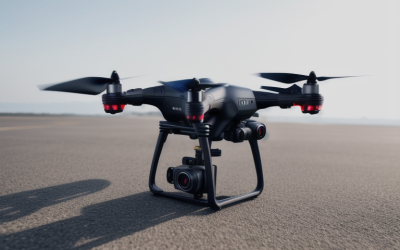
The word “mini” does a lot of work in drone listings. It can mean a sub-250 gram camera drone with a three-axis gimbal that folds into a jacket pocket, or it can mean a lightweight toy-grade quad with a tiny lens and a phone clip. When someone types “best mini drones with cameras,” they usually want the first thing and fear getting the second. The deciding question is how much camera quality and stabilization you want to carry in a small package, and how much automation you want while flying.
This roundup is for travelers who want aerial video without a backpack full of gear, new pilots stepping up from a toy, and parents shopping for a first drone. Eight listings are compared using only what each title states: camera resolution, weight class, gimbal, flight time, battery count, and flight aids. Heading into 2026, the market splits cleanly into compact camera drones from one major brand and a crowd of budget quadcopters, and the picks below cover both ends of that spread.
Our Top Picks
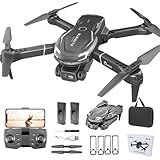
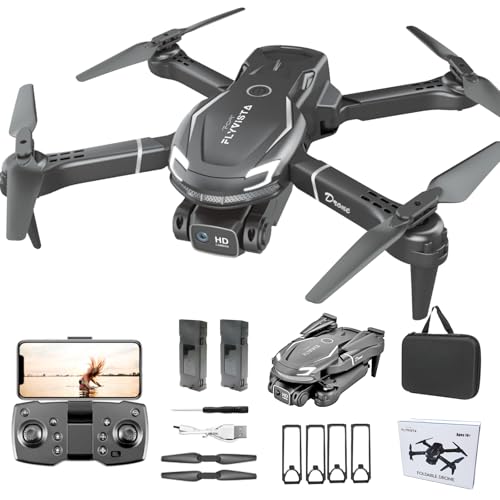 FLYVISTA Cool Mini Drone with Camera for Kids4.8 x 3 x 2.1 inches4.8 x 3 x 2.1 inches0.2 PoundsCheck on Amazon

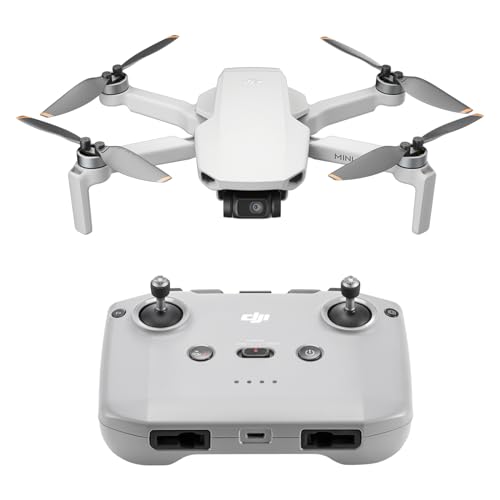


Top 3 picks at a glance
Quick Picks
As an Amazon Associate we earn from qualifying purchases at no extra cost to you.



| Product | Best for | Key spec taken from the title |
|---|---|---|
| DJI Mini 4K Combo | Travel video with spare power | 4K UHD, under 249 g, 3-axis gimbal |
| FLYVISTA Mini Drone | Kids and first-time adults | 1080P FPV, 2 batteries, one-click takeoff |
| DJI Mini 4K | Single-battery camera flying | 31-minute flight time, 10km video transmission |
| Mini Drone with HD FPV Camera | Teen learners | 90 degree tilt lens, 3 speed modes |
| DJI Neo | Hands-free selfie shots | 135 g, subject tracking, palm takeoff |
| DJI Mini 4K Fly More Combo | Long outings | 4K UHD, 3 batteries |
| 4K Drone with 4.5-inch Screen Remote | No-phone flying | 4K camera, 4.5-inch screen controller |
| 2K Foldable Mini Drone | Longer flights on a tight budget | 2K, brushless, 36-minute flight time |
How to Choose
Weight class and why it matters
Many regions apply lighter rules to drones under 250 grams, and several listings here advertise a weight under 249 g or a figure of 135 g. A lighter airframe is easier to carry and often simpler on paperwork, though it is also easier for wind to push around. Do not treat the weight as a guarantee about registration; rules differ, so check the current requirements where you fly.
Stabilization and camera
A three-axis gimbal physically steadies the camera on pitch, roll, and yaw, which produces smooth footage even when the drone moves. Cheap models rely on a fixed lens or electronic stabilization, which gives wobblier and more cropped video. Resolution labels such as 4K, 2K, and 1080P describe pixel count only; a small sensor on a budget drone can look soft even at 4K. If smooth video is the purpose, put the gimbal ahead of the resolution number.
Flight time and battery count
Plan for roughly two-thirds of the advertised flight time in real conditions. A 31 or 36-minute figure is generous for a mini drone, while a basic quad often offers far less per battery. Extra batteries multiply your flying time, so a combo with three batteries is worth more than one big claim. Check whether the charging hub is included, since charging one pack at a time slows a trip.
Control, range, and safety aids
Auto return brings the drone home if the signal drops or the battery runs low. Altitude hold, one-key takeoff, and headless mode are training wheels worth having. A 10km video transmission figure is a best-case number in open air; real range depends on interference and obstacles. Budget models cut corners with simple controllers and no return function, so read for what is absent.
Before launching, check local flight rules, including where you may fly, height limits, and any registration requirements, and keep clear of people, property you do not own, and airports.
The 8 Best Options
DJI Mini 4K Combo
This combo bundles a 4K UHD camera with a drone listed at under 249 g, a three-axis gimbal, 10km video transmission, and auto return. It is aimed at adults who want a genuinely portable camera drone, and the combo naming signals extra accessories beyond the base kit. Travelers will appreciate the compact form and the stabilized video, and the combo format usually saves hunting for add-ons later.
- Strength: three-axis gimbal stabilization paired with 4K UHD video.
- Strength: auto return and long-range video transmission add confidence.
- Trade-off: the title cuts off before listing exact contents, so confirm what the combo includes.
Skip it if you want a toy-level starter, or if you want the full list of extras confirmed up front before deciding between this and the Fly More Combo.
FLYVISTA Mini Drone
The FLYVISTA is a friendly starter drone for kids, adults, and beginners, listing a 1080P FPV camera, remote control, two batteries, and one-click takeoff and landing. The pair of batteries doubles the fun per charge, and the simplified launch helps younger pilots. It fits birthday gifts and casual backyard use.
- Strength: two batteries are included in the listing.
- Strength: one-click takeoff and landing reduce first-flight stress.
- Trade-off: no gimbal is mentioned, so video will not match a stabilized camera drone.
Skip it if you plan to shoot polished travel footage or want long-range flight. It is a learning aircraft first and a camera second, and its title says nothing about flight time per battery. Parents will like that crashes are part of the process, so keep spare propellers handy.
DJI Mini 4K
The single-battery DJI Mini 4K shares the 4K UHD camera, the under 249 g weight, the three-axis gimbal, the 10km video transmission, and auto return of the combo, and adds a 31-minute flight time plus wind resistance in the title. It is the straightforward choice for someone who wants the core drone and will add accessories later if needed.
- Strength: 31 minutes of flight time is stated, and wind resistance is listed.
- Strength: gimbal plus 4K for smooth footage.
- Trade-off: with one battery, you will pause to recharge during a long outing.
Skip it if you plan full-day shoots, since the combo versions bring extra batteries and make more sense. For quick scouting flights and short clips, though, one pack is often all a casual flyer needs. The remainder of the title is cut off, so check the product page for what ships with it.
Mini Drone with HD FPV Camera
This budget quadcopter is aimed at teens and adults who are just learning. It lists an HD FPV camera, a 90 degree tilt lens, altitude hold, one-key takeoff, 3D flips, and three speed modes. The adjustable lens angle is a nice touch at this tier, and altitude hold keeps the aircraft steady so new pilots can focus on direction.
- Strength: three speed modes make it forgiving and then more exciting.
- Strength: altitude hold and one-key takeoff ease the learning curve.
- Trade-off: no resolution, battery, or flight time number appears in the title.
Skip it if you want smooth, stabilized video or a documented flight time before you commit. It is a practice drone rather than a travel camera. Flip-happy teens will enjoy the 3D flips once altitude hold has built their confidence in the basics.
DJI Neo
The Neo is the oddball and the most approachable: a 135 g mini drone with a 4K UHD camera that follows you, takes off from your palm, and offers subject tracking, QuickShots, and stabilized video. It suits solo creators, vloggers, and anyone who wants a flying selfie camera rather than a pilot-driven aircraft.
- Strength: palm takeoff and subject tracking make it nearly hands-free.
- Strength: at 135 g it is lighter than the other DJI models here.
- Trade-off: the self-flying focus means less traditional manual control.
Skip it if you want a gimbal drone for deliberate cinematography or a long list of advanced flight options. Those who like precise manual flying will lean toward the Mini 4K instead. The Neo shines at creating quick, shareable clips rather than planned shots.
DJI Mini 4K Fly More Combo
The Fly More Combo takes the Mini 4K recipe, with a 4K UHD camera, under 249 g, three-axis gimbal, 10km video transmission, and auto return, and adds three batteries. That battery count is the whole story: it turns a short outing into an afternoon and is the sensible pick for hiking trips or events where you cannot recharge.
- Strength: three batteries multiply flying time.
- Strength: the same stabilized 4K camera as the base model.
- Trade-off: more accessories add bulk to carry.
Skip it if you only fly occasionally for short sessions, since the single-battery version covers that. Frequent flyers, by contrast, will appreciate swapping packs instead of waiting. The rest of the title is cut off, so look for the charging hub and bag details on the product page.
4K Drone with 4.5-inch Screen Remote
This listing pairs a 4K camera with an RC controller that has a 4.5-inch FPV screen, aimed at beginners and kids. A screen on the remote means you do not need to dock a phone, and the larger display makes framing shots easier than a small phone clip. It is a no-fuss kit for gift shoppers, especially for a child who would rather watch the live view on a real display than squint at a phone.
- Strength: built-in 4.5-inch screen on the controller.
- Strength: 4K camera label at the budget tier.
- Trade-off: no gimbal, weight, or flight time is visible in the title.
Skip it if stabilization matters or if you need a weight under 250 g. The title is cut off, so it is unclear whether this is a true mini model.
2K Foldable Mini Drone
The 2K Foldable Mini Drone lists a 2K camera, two batteries, a foldable FPV design, a brushless motor, a 36-minute flight time, and one-key takeoff. That is a lot of headline value: brushless power and the combined flight time mean more time in the air than most toys. It suits budget-conscious adults who want a capable, packable starter, and a foldable body makes it easy to toss in a bag for weekend trips.
- Strength: 36-minute flight time and two batteries.
- Strength: brushless motor and foldable frame.
- Trade-off: no gimbal is listed, so footage depends on the camera and electronic stabilization.
Skip it if you need the smoothest footage or an advanced return function. The title is cut off, so check for GPS before assuming auto return.
Which One Fits Your Situation
You are traveling light and want good video
Choose the DJI Mini 4K Fly More Combo. Three batteries, a gimbal, and the sub-250 g class suit trips where a bulky kit is a burden.
You want a flying selfie camera
The DJI Neo is the one. Palm takeoff, subject tracking, and QuickShots turn a solo walk into a shot list.
You are buying for a child or a first-timer
The FLYVISTA Mini Drone brings one-click takeoff and landing plus two batteries, so a first afternoon does not end after one short flight.
You want maximum flight time for the least outlay
The 2K Foldable Mini Drone lists 36 minutes and brushless motors, which stretches a casual flying day.
Common Mistakes
- Choosing by resolution alone and ignoring the gimbal.
- Assuming the advertised flight time will be achieved in wind.
- Skipping extra batteries, then spending the trip waiting for a charge.
- Believing a weight figure means no rules apply.
- Flying near crowds, airports, or private property without checking local flight rules.
Related guides
- Gaming Laptop Battery Draining While Plugged In Fix
- Graphics Cards For Low Wattage Power Supplies
- How To Stop Laptop Thermal Throttling In Software
Frequently Asked Questions
Why does the sub-250 g class matter?
Many places treat lighter drones more leniently, and the compact size is easier to carry. Rules vary, so verify the current requirements for your area.
Is 4K always better than 2K?
Not necessarily. A stabilized 2K clip can look better than shaky 4K, and sensor size and gimbal quality affect results more than the pixel count.
Do I need a phone to fly?
Some kits use a phone, while others include a controller with a built-in screen, such as the 4.5-inch model here. Check the listing before buying.
What is the benefit of extra batteries?
They multiply flying time between charges. For travel or events where you cannot plug in, a three-battery combo is far more useful than one large claim.