The best queen size sheets are the ones that fit your mattress depth, suit your preferred feel, and can handle the care routine you’ll actually follow. Before choosing cotton, linen, bamboo-derived rayon, or microfiber, measure the mattress—including any topper—and compare that total with the fitted sheet’s pocket depth and shrinkage allowance.
As an Amazon Associate we earn from qualifying purchases at no extra cost to you.


Our Top Picks
 Amazon Basics Lightweight Super Soft Breathable Brushed MicrofiberQueen9 x 9 x 3.75 inches3 PoundsCheck on Amazon

Top 3 picks at a glance
Start with fit: measure the mattress, not just the label
A queen mattress is typically 60 by 80 inches, but that standard does not tell you how tall it is. Pillow tops, foam layers, and toppers can add several inches, and fitted-sheet labels such as “deep pocket” are not consistent across brands.
- Measure from the mattress surface to its bottom edge, including a topper if you leave it on the bed.
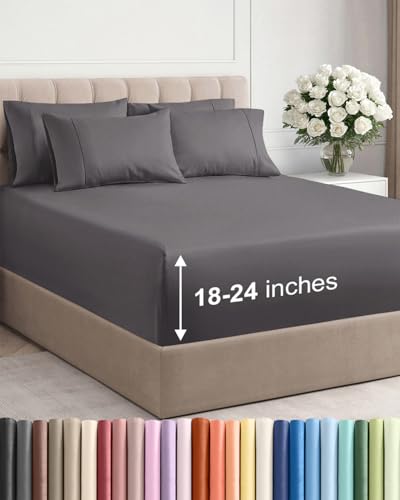
- Add about 2 inches for secure corner coverage and easier bed-making. For a mattress that is 14 inches thick, a fitted sheet with a stated pocket depth of at least 16 inches is a sensible starting point.
- Check whether the pocket measurement refers to mattress depth or total fabric depth. Elastic construction and corner design affect how well the sheet stays put.
For a mattress and topper measuring 16 inches together, a 16-inch pocket may be a tight fit—especially after washing. Look for roughly 18 inches of pocket depth, then confirm the manufacturer’s fit guidance. If the sheet is too shallow, corners can pop off; if it is much too deep, excess fabric may bunch underneath.
Fabric and weave: choose the feel you want
Fiber describes what the sheet is made from; weave describes how the yarns are arranged. Together, they have a bigger effect on feel and care than a thread-count number alone.
| Fabric and common construction | Typical feel | Durability and care trade-offs | Good fit for |
|---|---|---|---|
| Long-staple cotton, percale | Crisp, matte, and breathable | Can soften with washing; may wrinkle and shrink if washed or dried hot | People who prefer a cool, freshly made-bed feel |
| Long-staple cotton, sateen | Smoother, silkier, with a slight sheen | Often drapes well but can show wear or snagging sooner than a crisp percale; follow care directions | People who want a softer, more fluid surface |
| Linen, plain weave | Textured and relaxed; softens over time | Wrinkles readily; can be long-lasting with gentle washing and adequate room to move | People who like natural texture and do not mind a lived-in look |
| Polyester microfiber, usually brushed | Soft, lightweight, and often smooth | Generally resists wrinkles and shrinkage; may feel warm or hold onto body oils | Shoppers prioritizing easy care and a low entry price |
| Rayon made from bamboo, often sateen-style | Smooth, drapey, and cool-feeling to many sleepers | Can be more delicate when wet; laundering and drying instructions matter | People seeking a fluid feel who are willing to follow care labels |
Percale or sateen?
For cotton, percale is typically a one-over-one-under weave that feels crisp and breathable. Sateen places more yarn across the surface, producing a smoother hand and a little more sheen. Neither is automatically more durable: yarn quality, fabric weight, finishing, stitching, and laundering all contribute. A very high thread count is not a reliable shortcut to quality; unusually dense fabric can feel heavier, and thread-count comparisons are meaningful only when construction and yarn quality are comparable.
Match your priorities to a sheet type
| If your main concern is… | Start with… | Check before buying |
|---|---|---|
| Sleeping cool | Cotton percale or linen | Fabric weight, weave, and whether the product uses a heavy finish |
| A smooth, soft surface | Cotton sateen or bamboo-derived rayon | Care requirements and whether a slippery feel suits you |
| Low-effort laundry | Microfiber or a cotton blend | Heat limits, pilling guidance, and whether warmth is a concern |
| Natural texture and a long-use option | Linen or well-made cotton | Expected wrinkles, shrinkage guidance, and fabric weight |
| A tall mattress or topper | Any preferred fabric with a deeper fitted-sheet pocket | Combined mattress-and-topper height, elastic coverage, and return fit terms |
Allow for shrinkage and preserve the fit
Natural fibers can shrink, particularly when exposed to high heat. The exact amount depends on the fabric, finishing, and care instructions, so do not assume that every cotton or linen sheet will shrink by a fixed percentage. Look for the maker’s stated shrinkage or pre-shrinking information, and use the recommended wash and dry settings.
As a practical fit check, measure your mattress at home and compare that number with the pocket depth before washing. If a fitted sheet only barely covers the corners when new, even modest shrinkage could make it unusable. A little extra pocket depth gives more tolerance, but too much can leave loose fabric. If you are between sizes or have a thick topper, prioritize a clear mattress-depth range over the word “deep” on the package.
Care choices that affect comfort and lifespan
- Wash before first use: This removes packaging residue and lets the fabric settle. Use the label’s temperature and detergent guidance.
- Avoid overloading the washer: Sheets need room to circulate. A crowded load can leave detergent behind and increase tangling or abrasion.
- Use moderate heat: High dryer heat can increase shrinkage and stress elastic. Remove sheets while slightly damp if the care label permits, then finish air-drying.
- Keep rough items separate: Zippers, hooks, and abrasive fabrics can snag smoother weaves and shorten the life of fitted-sheet elastic.
- Rotate sets: Alternating two or more sets reduces wear on any one set and gives laundry time to finish without rushing the drying cycle.
A quick buying checklist
Before choosing the best queen size sheets for your bed, confirm these details:
- Size: Queen dimensions, typically 60 by 80 inches.
- Pocket depth: At least mattress-plus-topper height, with roughly 2 inches of fitting allowance as a starting point.
- Construction: Fiber, weave, and fabric weight—not thread count alone.
- Care: Wash temperature, dryer limits, and any warnings about delicate handling.
- Set contents: Check whether the package includes one or two pillowcases and whether the flat sheet is included.
- Fit policy: If the depth is unusual, check the seller’s stated return conditions before opening or washing the set.
For a cool, crisp feel, start with cotton percale; for a smoother drape, compare sateen or bamboo-derived rayon; for relaxed texture, consider linen; and for simple, low-maintenance laundering, microfiber may suit you. The best choice is the one that fits your actual mattress height and matches both your preferred feel and your willingness to care for it.
Frequently asked questions
How deep should queen-size fitted sheets be for a mattress with a topper?
Choose a pocket depth that covers the combined mattress-and-topper height, with roughly 2 inches of extra coverage as a starting point. For a combined height of 16 inches, a pocket around 18 inches may provide more tolerance than a 16-inch pocket, especially after washing. Confirm the manufacturer’s fit guidance and elastic coverage.
Is a higher thread count always better for queen-size sheets?
No, a higher thread count is not automatically better. Feel and performance also depend on the fiber, weave, yarn quality, fabric weight, finishing, stitching, and laundering. Very dense fabric can feel heavier, and thread-count comparisons are meaningful only when construction and yarn quality are comparable. Consider whether you want crisp percale, smooth sateen, linen texture, or easy-care microfiber.
What should I do before using a new set of queen-size sheets?
Wash the sheets before first use to remove packaging residue and let the fabric settle. Follow the care label’s temperature and detergent guidance, avoid overloading the washer, and use moderate dryer heat. If the label permits, remove the sheets while slightly damp and finish air-drying. This approach can also help limit shrinkage and stress on elastic.
How can I keep fitted sheets from coming off the mattress?
Measure the mattress from its surface to its bottom edge, including any topper left on the bed, then compare that height with the fitted sheet’s pocket depth. A sheet that is too shallow may pop off, while one that is much too deep can bunch underneath. Adequate elastic coverage and a suitable corner design also help the sheet stay put.
Do queen-size sheet sets always include a flat sheet and two pillowcases?
No, set contents vary, so check the package details before buying. Confirm whether the set includes a flat sheet and whether it contains one or two pillowcases. Also verify the listed queen dimensions and pocket depth. If your mattress has an unusual depth, review the seller’s return conditions before opening or washing the set.