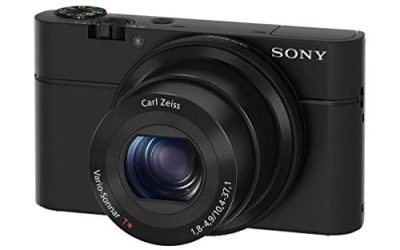
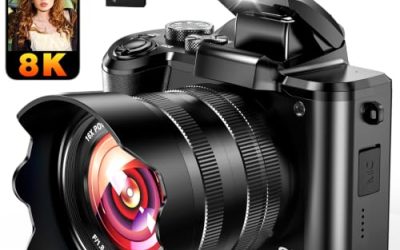
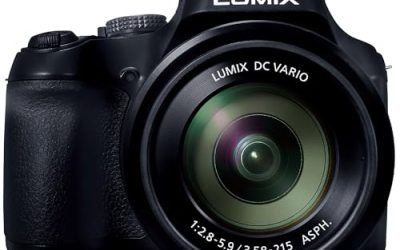
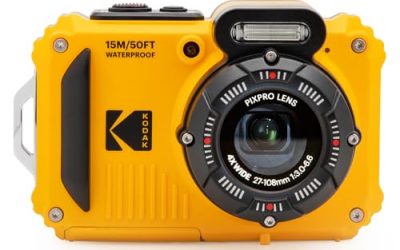
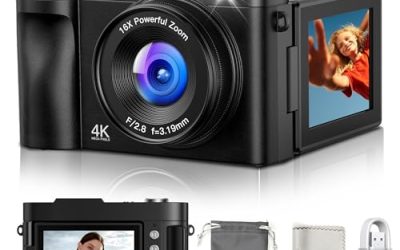
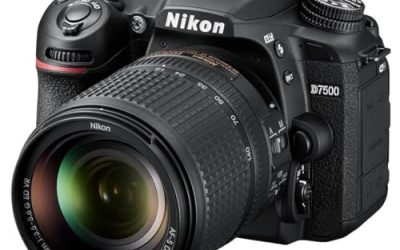
The phrase vintage camera covers three very different things, and the first decision is figuring out which one you actually want. It can mean a genuine older camera from the film era, such as a 35mm SLR that has been refurbished and sold with a lens. It can mean a new film camera built in a retro style, such as a reusable half-frame model. Or it can mean a modern digital camera dressed up to look like a classic, with filters, a compact body, and a screen that mimics the old waist-level viewfinder. Each path gives a very different experience, and mixing them up is the most common reason buyers end up disappointed.
This guide is for people who want the look and feel of vintage photography in 2026 without turning it into a research project: students starting a photography class, travelers who want a pocket camera, content creators chasing a film aesthetic, and gift buyers who want something with character. Based on the listed specs, the six cameras below include one true film SLR, one new half-frame film camera, and four digital models in retro styling, so the comparison is partly about technology and partly about patience. One listing from the original shortlist was set aside because it is a general kids camera rather than a vintage-styled model, and a duplicate listing of the Klik camera was not repeated.
Our Top Picks

Top 3 picks at a glance
Quick Picks
As an Amazon Associate we earn from qualifying purchases at no extra cost to you.


| Product | Best for | Key spec from the title |
|---|---|---|
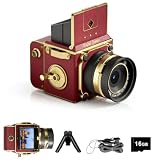
| EJXHKNF Vintage Digital Camera | Retro look with a bundled memory card | 64MP, 2.7K, 2-inch IPS, 16X zoom, 16GB card |
| Klik Screen-Free Digital Camera | Staying present while shooting | 3 film-style filters, 500 shots per charge |
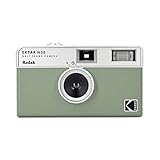
| KODAK EKTAR H35 Half Frame | Real film on a simple body | 35mm half frame, reusable, focus-free |
| Vintage Digital Camera (56MP) | Beginners who want autofocus | 56MP, 2.7K, 2-inch IPS, autofocus |
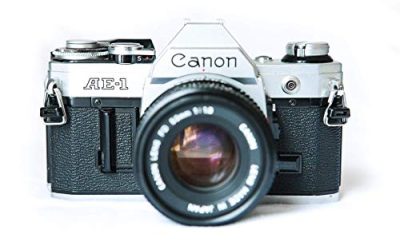
| Vintage Canon AE-1 (Renewed) | Authentic film SLR experience | 35mm SLR with 50mm f/1.8 lens |
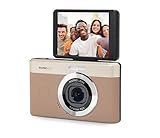
| KODAK PIXPRO C1 | Compact digicam style | 13MP, 26mm lens, flip screen, F2.0 |
How to Choose
Decide between real film and a retro look
Film cameras, whether an older SLR or a new reusable body, ask you to buy and develop film, which adds ongoing cost and a delay between shooting and seeing results. Many photographers value exactly that slowness. Digital retro cameras deliver instant files and cheap shooting but imitate the look through filters and processing. If you like the idea of film but dread the logistics, a digital model with film-style filters is the practical entry point. If you want grain, light leaks, and the discipline of a limited roll, choose film.
Read the specs behind the megapixels
Large pixel counts such as 56MP or 64MP on a small camera usually come from interpolation rather than a truly large sensor, so treat them as a marketing figure. A 13MP camera with a decent F2.0 lens may produce more pleasing images than a camera advertising a far higher number. For the film models, lens quality and focus method matter more than any megapixel concept: a focus-free camera is simple but suits bright conditions, while an SLR with a 50mm f/1.8 lens handles low light and shallow depth of field.
Check the screen, controls, and power
Several listings use a small 2-inch IPS screen styled as a waist-level display, and a 2.8-inch flip screen on the Kodak digicam is useful for selfies and low-angle shots. Look at battery claims too: the Klik states 500 shots per charge, while the film cameras rely on small batteries or none at all, and the Kodak H35 listing notes that film and batteries are not included. Confirm what comes in the box, including memory cards, chargers, and straps.
Plan for condition, support, and accessories
A renewed vintage SLR is a used product, so check the return policy, what the seller says about the shutter and light seals, and whether a lens and battery are included. New retro digital cameras from unfamiliar brands tend to cut corners on build quality, software polish, and support, so read the listed details carefully. Ignore flowery descriptions about vintage aesthetics and focus on lens speed, storage, and charging method.
It also helps to think about what you will do with the pictures. If the goal is social posts and quick keepsakes, a digital model with film-style filters saves time, because the files are ready to share the moment you plug in the cable. If the goal is prints, a physical roll of film gives you negatives you can rescan later, and a lens like the 50mm f/1.8 on the AE-1 lets you practice depth of field in a way that a fixed-focus toy camera cannot. Be honest about your patience: a camera that sits in a drawer because developing film feels like a chore is worse value than a cheaper digital camera you actually carry every day.
The 6 Best Options
EJXHKNF Vintage Digital Camera
This is a bundle-style retro camera for buyers who want to start shooting immediately. The title lists a 64MP sensor claim, 2.7K video, autofocus, a 2-inch IPS waist-level screen, a 16GB card, 16X zoom, and a retro point-and-shoot design.
- Strength: the included 16GB card means you can shoot right out of the box.
- Strength: autofocus and zoom make it forgiving for casual photographers.
- Trade-off: the headline megapixel and zoom numbers are marketing figures, and image quality should be judged cautiously.
Skip it if you want authentic film character or a camera from an established brand. Buyers who plan to use it mainly for short video clips should also remember that a small waist-level display is a framing aid, not a precise monitor for judging focus.
Klik Screen-Free Digital Camera
The Klik takes a distinct approach: no screen on the back. The title describes a screen-free digital camera for staying present, with three vintage film-style filters, 500 shots per charge, a built-in flash, and USB-C for photo transfer.
- Strength: shooting without a screen encourages looking at the moment rather than the display.
- Strength: 500 shots per charge and USB-C charging suit travel.
- Trade-off: without a screen you cannot review or reshoot on the spot, which frustrates some users.
Skip it if you like to check framing and exposure immediately or want video features. It is best treated as a deliberate, almost journaling-style camera for travel days and gatherings where you would rather be in the conversation than behind a display.
KODAK EKTAR H35 Half Frame
The EKTAR H35 is the easiest route into real film. The title calls it a half-frame 35mm film camera that is reusable, focus-free, lightweight, and easy to use, in a sage color, with film and AAA batteries not included.
- Strength: half-frame shooting means each 35mm frame holds two images, so a roll lasts longer.
- Strength: a focus-free design removes technical decisions for beginners.
- Trade-off: you must buy film and arrange development, which adds ongoing effort and cost.
Skip it if you want instant results or full control over focus and exposure. Because each roll stretches across twice as many frames, it also rewards photographers who enjoy sequencing pictures in pairs or telling a small story across a day out.
Vintage Digital Camera (56MP)
Aimed at beginners, this generic retro camera is similar in concept to the first digital listing. The title shows a 56MP claim, 2.7K video, a 2-inch IPS HD waist-level screen, autofocus, and a retro point-and-shoot design for beginners.
- Strength: autofocus and a simple layout suit people new to photography.
- Strength: 2.7K video adds flexibility for short clips.
- Trade-off: the title does not say a memory card is included, so confirm the bundle.
Skip it if you want a recognized brand or a camera built around real film. Check the listing for what accessories ship in the box, since the title is less specific than that of the bundled card model.
Vintage Canon AE-1 (Renewed)
The AE-1 is the authentic option. The title lists a vintage Canon AE-1 35mm SLR camera with a 50mm 1:1.8 lens, sold as renewed.
- Strength: a real 35mm SLR with a fast 50mm lens gives genuine film photography with shallow depth of field.
- Strength: the body and lens pairing is a classic combination for learning manual exposure.
- Trade-off: as a renewed older camera, condition and seller support matter, and film adds ongoing cost.
Skip it if you want a maintenance-free, ready-to-use digital camera.
KODAK PIXPRO C1
The PIXPRO C1 fits the digicam trend. The title lists a 13MP sensor, a 26mm fixed lens, a brown finish, 1080p Full HD video, a 2.8-inch 180-degree flip screen, an F2.0 lens, and a built-in feature set aimed at compact shooting.
- Strength: an F2.0 lens and a flip screen suit selfies, low light, and casual travel photos.
- Strength: a well-known imaging brand and a realistic megapixel count give it credibility.
- Trade-off: a fixed 26mm lens means no optical zoom to bring distant subjects closer.
Skip it if you need a zoom lens or authentic film grain.
Which One Fits Your Situation
You want the real film experience
Choose the Vintage Canon AE-1. It teaches manual exposure and rewards patience, and the 50mm f/1.8 lens is a solid learning tool. If you want something simpler, the KODAK EKTAR H35 offers film without the learning curve.
You want a pocket camera for travel
The KODAK PIXPRO C1 offers a compact digicam design with a flip screen, while the Klik adds a screen-free approach and 500 shots per charge. Pick the one that fits whether you like to review shots as you go.
You are buying a gift for a beginner
The EJXHKNF bundle includes a memory card and autofocus, which makes it easy to use immediately. The 56MP vintage digital camera is a similar option if the bundle details suit you.
You want to slow down and shoot with intention
The Klik Screen-Free Digital Camera removes the temptation to check every photo. The EKTAR H35 does the same with film, adding a tactile rhythm.
Common Mistakes
- Assuming a high megapixel number means better photos on a small retro camera.
- Buying a film camera without budgeting for film and development.
- Forgetting to confirm that a memory card, charger, and battery are included.
- Treating a renewed vintage SLR like new gear, without checking the seller’s condition notes and return policy.
- Mixing up vintage-styled digital cameras with authentic film cameras when expectations differ greatly.
Related guides
- Gaming Laptop Battery Draining While Plugged In Fix
- How To Stop Laptop Thermal Throttling In Software
- Gaming Laptop For High School Students
Frequently Asked Questions
Is a vintage-style digital camera the same as a film camera?
No. A vintage-style digital camera records files and applies filters to imitate film, while a film camera exposes real film that must be developed. The experience, cost, and results differ.
Do megapixels matter on these cameras?
Less than the marketing suggests. Sensor size, lens quality, and processing matter more, and very high pixel counts on small cameras are often interpolated.
Is the Canon AE-1 hard to use?
It is a manual-focus SLR, so there is a learning curve with focus and exposure. Many photographers consider it a good learning camera because it teaches the basics.
What do I need to start shooting film?
You need film, a working battery if your camera requires one, and a lab or home setup for development. Factor these into the total cost before buying.