A budget of under 500 dollars for a video camera sounds generous until you notice how many different tools compete for it. A pocket vlogger, a classic camcorder, an action camera, a point-and-shoot, and an entry-level DSLR can all shoot video within that ceiling, and they behave very differently once the record button is pressed. The real decision is not which camera has the biggest number on the box but which shooting style you actually need: talking to the lens, capturing sports, documenting a family event, or recording footage you plan to cut together later.
This guide is for first-time video makers, parents recording school events, travelers who want a light kit, and small-channel creators who do not want to spend heavily before their audience grows. It sorts seven candidates by type, uses only what the listings state, and flags where cheap models cut corners. One home security camera that appeared in the same results was left out because it records for surveillance, not for filming. Throughout, keep your own limit in mind and add up the extras, since a spare battery, a memory card, and a small tripod can push a kit past the line you set for 2026. Several of these cameras already bundle a card or spare battery, which is worth more than a small difference in headline specifications.
Our Top Picks
Top 3 picks at a glance
Quick Picks
As an Amazon Associate we earn from qualifying purchases at no extra cost to you.



| Product | Best for | Key spec from the title |
|---|---|---|
| 4K 50MP Vlogging Digital Camera | Teens and casual vlogs | 4K, 50MP, 16X zoom, 180-degree flip screen |
| CGXUED Mini Camcorder | Long recording sessions | 7-hour battery, 32GB card, 180-degree rotating lens |
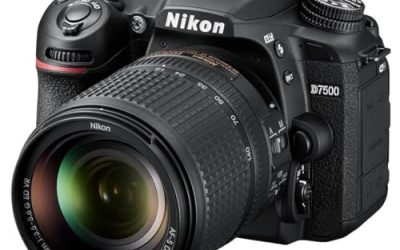
| Canon EOS Rebel T7 Kit | Learning with interchangeable lenses | 24.1MP APS-C, Full HD video, Wi-Fi |
| Jadfezy Action Camera | Sports and water | 1080P, 12MP, 98FT/30M waterproof, 2 batteries |
| Andoer 1080P DV Camcorder | Simple point-and-record | 1080P, 16MP, 2.7-inch LCD, 16X digital zoom |
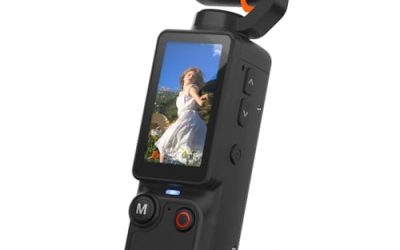
| 4K 330-degree Vlogging Camera | Talking-head channels | 330-degree lens, face tracking, fast autofocus |
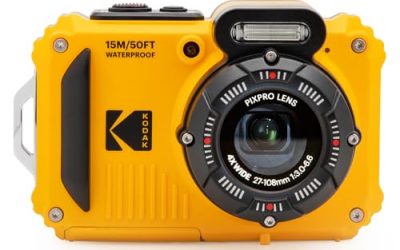
| Canon PowerShot ELPH 500 HS | Travel with a real lens | 12.1MP CMOS, Full HD, ultra wide angle lens |
How to Choose
Match the form to the footage
A flip-screen pocket vlogger is built for talking to the camera. An action camera is built to be strapped to a helmet or dropped in water. A camcorder is built for long, continuous takes at a family event. A DSLR or a compact with a real optical lens produces more natural background blur and better results in dim rooms. Decide where most of your footage will come from, then choose the category before comparing models inside it.
Resolution is only part of the story
Many budget listings advertise 4K, and some headline megapixel figures like 50MP or 75MP that apply to still photos produced by software interpolation rather than a large sensor. A true 1080p recording from a bigger sensor can look cleaner than an inflated 4K from a tiny one. Full HD is perfectly adequate for web video, and sharpness depends on lens quality, lighting, and stabilization as much as on pixel counts.
Battery, storage, and recording time
Check how long the camera records and what is in the box. A 7-hour battery rating, a pair of included batteries, and a bundled 32GB card all reduce your extra spending. Video files fill cards quickly, so plan on 64GB or more for 4K. Look for a fast card rating, and confirm whether the camera records while charging, which helps for events and interviews that run long.
Audio and stabilization
Bad audio ruins good video faster than a soft picture. Built-in microphones on budget cameras pick up wind and handling noise, so check for a microphone jack or plan to record sound separately. Electronic stabilization helps with handheld walking shots but crops the frame, while larger cameras with optical lens stabilization produce steadier results. Anything labeled rotating or flip-screen is useful for framing yourself but tells you nothing about picture quality.
The 7 Best Options
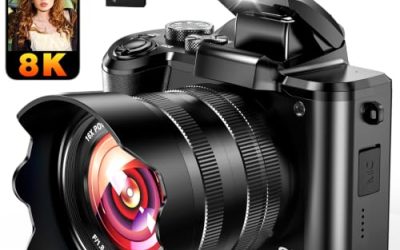
4K 50MP Vlogging Digital Camera (16X Zoom)
This compact camera markets itself on 4K video, a 50MP photo figure, 16X zoom, and a 180-degree flip screen, with a design aimed at teens and beginners. It is the sort of camera a young creator can pick up and start recording with no training, and the flip screen makes framing a selfie simple. As with all cameras in this class, the headline pixel numbers deserve some skepticism. It suits a first camera for a young creator whose parents want a low-risk purchase, since a mistake here costs far less than a mistake on a larger kit.
- Strength: Flip screen makes it simple to frame yourself.
- Strength: 16X zoom gives reach for school and sports scenes.
- Trade-off: Headline megapixel figures likely overstate real image detail.
Skip it if you need strong low-light video or dependable audio for serious content.
CGXUED Vlogging Camera Mini Camcorder
The CGXUED is a handheld mini camcorder with a 180-degree rotating lens, a 7-hour battery listing, a 32GB card in the box, and a one-button recording design. The long battery rating makes it well suited to events where you want to leave the camera running, and the included card means you can record on day one. It is a simple tool for people who value convenience over manual control. Think recitals, birthday parties, and school plays, where you press record once and trust the camera to keep going while you enjoy the event with everyone else in the room.
- Strength: Long battery rating and a card included in the box.
- Strength: One-button recording keeps things simple.
- Trade-off: Mini camcorders offer limited manual control over exposure.
Skip it if you want interchangeable lenses or advanced settings.
Canon EOS Rebel T7 DSLR Kit (EF-S 18-55mm IS II)
The Rebel T7 is the one interchangeable-lens camera in the list, with a 24.1 megapixel APS-C CMOS sensor, Full HD video, built-in Wi-Fi, and an EF-S 18-55mm lens. A sensor this size produces more natural background blur and cleaner results in dim light than the tiny sensors in pocket cameras. It is a good fit for someone who wants to learn real filmmaking basics. Because the listing here is a kit, check the total cost of the configuration against your limit.
- Strength: Large APS-C sensor for better low-light and background blur.
- Strength: Interchangeable lenses leave room to grow.
- Trade-off: Full HD only, and the body is bulkier than pocket cameras.
Skip it if you want 4K video or a camera that fits in a jacket pocket.
Jadfezy Action Camera 1080P
The Jadfezy action camera records 1080P video and 12MP stills, lists a 98FT/30M underwater waterproof rating, and comes with two batteries and an accessory kit. It is the tough camera in the group, made for biking, swimming, and anything where a more delicate camera might get damaged. A wide-angle lens exaggerates the sense of motion, which suits sports clips well. The kit of accessories means mounts are likely included, so you can attach it to a handlebar or a helmet and start filming without shopping for extra parts first.
- Strength: Waterproof rating and an accessory kit for outdoor use.
- Strength: Two batteries double the recording time.
- Trade-off: Wide-angle lens distorts faces and is poor for talking-head video.
Skip it if you plan to record interviews or vlogs at a desk.
Andoer Portable 1080P DV Camcorder
The Andoer is a traditional digital video camcorder with 1080P recording, a 16MP stills figure, a 2.7-inch LCD screen, 16X digital zoom, and a built-in battery. It is the simplest tool of the seven for point-and-record shooting. The built-in battery keeps the body light but means you cannot swap in a spare during a long shoot. Digital zoom crops the image instead of using a true optical zoom, so image detail drops as you zoom in. For a grandparent or a first-time user who simply wants to record a gathering without learning menus, that simplicity can be exactly the point.
- Strength: Simple point-and-record operation with a built-in screen.
- Strength: Light and portable for casual family clips.
- Trade-off: Built-in battery and digital zoom limit flexibility and sharpness.
Skip it if you shoot long events or need sharp zoomed footage.
4K Vlogging Camera with 330-Degree Rotating Lens
This pocket vlogger lists a 330-degree rotating lens, face tracking, fast autofocus, a 75MP stills figure, and 4K video. The rotating lens lets you switch between front and rear shooting without a flip screen, and face tracking keeps you in focus while you talk. It is aimed at solo creators who want a convenient camera for talking-head videos and travel diaries. Because it fits in a pocket, it also works as a spare camera for a creator who already owns a larger body but wants something quick for walk-and-talk clips when setting up a full rig would be a hassle.
- Strength: Rotating lens and face tracking suit solo shooting.
- Strength: Pocket size makes it easy to carry everywhere.
- Trade-off: Large megapixel claims on a small sensor should not be taken at face value.
Skip it if you need interchangeable lenses or professional audio.
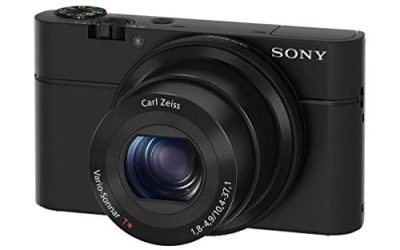
Canon PowerShot ELPH 500 HS
The ELPH 500 HS is a compact point-and-shoot with a 12.1MP CMOS sensor, Full HD video, and an ultra wide-angle lens. It is the most travel-friendly camera for someone who wants better optics than a gimmick vlogger without carrying a DSLR. The wide lens suits landscapes and group shots. It is an older model, so expect no modern conveniences like a flip screen. Photographers who also want occasional video clips on a city break, and who value optics over gadgets, will appreciate how little there is to learn before shooting.
- Strength: A real optical lens with a wide angle for travel scenes.
- Strength: Compact body with a CMOS sensor and Full HD video.
- Trade-off: Older design with no selfie screen and no 4K.
Skip it if you vlog to camera or want newer features.
Which One Fits Your Situation
You are learning real filmmaking skills
Choose the Canon EOS Rebel T7 kit. The interchangeable lens and larger sensor teach habits that carry over to better cameras later.
You are filming a bike ride or a beach day
The Jadfezy Action Camera, with its waterproof rating and two batteries, is built for exactly that.
You are starting a talking-head channel
Pick the 4K 330-degree Vlogging Camera for its rotating lens and face tracking, or the 4K 50MP model if you prefer a flip screen.
You are recording long family events
The CGXUED Mini Camcorder offers a long battery rating and a bundled memory card, so you can start recording without extra shopping.
Common Mistakes
- Trusting the megapixel number instead of checking sensor size and lens quality.
- Forgetting the cost of cards, batteries, and a tripod when counting against your limit.
- Ignoring audio and ending up with usable video but muffled sound.
- Buying an action camera for interviews, where the wide lens distorts faces.
- Relying on digital zoom for important shots instead of moving closer.
Related guides
- Gaming Laptop Battery Draining While Plugged In Fix
- How To Stop Laptop Thermal Throttling In Software
- Gaming Laptop For High School Students
Frequently Asked Questions
Is 4K necessary for a budget video camera?
No. Full HD is enough for most web video, and a cleaner 1080p image often beats an upscaled 4K file from a tiny sensor.
Which type of camera is best for beginners?
A simple camcorder or flip-screen vlogger is easiest to start with, while the Canon DSLR offers more to learn as you grow.
Do I need an external microphone?
For casual clips, no. For interviews, vlogs, or anything where speech matters, a separate microphone makes a much bigger difference than a resolution upgrade.
Why was a security camera left out?
It was designed to monitor a space, not to film content, so it does not belong in a guide about video cameras.