The Core i9-14900K is a processor that turns electricity into heat faster than almost any other mainstream desktop chip. It carries 24 cores and 32 threads, a 125W base power figure and a maximum turbo power near 253W, and it will happily reach its thermal limit if the cooler cannot keep up. That makes the cooler a real performance part for this CPU, not an afterthought. A weak heatsink does not just run hot; it forces the chip to pull back its clocks.
The decision therefore comes down to how much heat you can move, how loud you will tolerate the fans being, and what fits in your case. This guide covers eight coolers: three liquid or large-radiator options and five air coolers, all listed as compatible with LGA1700, the socket the 14900K uses. Everything here is based on the listing titles, so use it to narrow the field, then confirm the dimensions and mounting hardware on each product page before ordering for a 2026 build.
Our Top Picks
 ARCTIC Liquid Freezer III Pro 360 A-RGBLiquid Freezer III Pro 360 A-RGB15.7 x 4.7 x 2.9 inches4.5 PoundsCheck on Amazon



Top 3 picks at a glance
Quick Picks
As an Amazon Associate we earn from qualifying purchases at no extra cost to you.



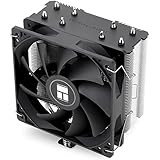


| Product | Best for | Key spec from the title |
|---|---|---|
| ARCTIC Liquid Freezer III Pro 360 A-RGB | Maximum cooling headroom | 360mm AIO, LGA1851, LGA1700, AM4, AM5 |
| Noctua NL-LC1-36 | Quiet, premium liquid cooling | 360mm AIO, 30mm slim radiator, pump noise absorber |
| Thermalright Peerless Assassin 120 SE | Air cooling for serious chips | 6 AGHP heat pipes, dual 120mm PWM fans, 1550RPM |
| be quiet! Pure Rock Pro 3 Black | Quiet air cooling | 250W TDP, double-tower, 2 silent 120mm PWM fans |
| Thermalright Peerless Assassin 120 Vision MAX ARGB White | Showpiece white build | Twin tower, 2150RPM, 5-inch IPS screen |
| Thermalright Assassin X 120R Digital ARGB Black | Compact air with a display | 4 heatpipes, 2000RPM, 12cm PWM fan, digital screen cover |
| Thermalright Assassin X120 Refined SE | Low-cost air cooling | 4 heat pipes, TL-C12C PWM fan, AGHP technology |
| Cooler Master Hyper 212 Black | Familiar budget standby | 4 heat pipes, 120mm PWM fan, LGA1851/1700 support |
The 8 Best Options
ARCTIC Liquid Freezer III Pro 360 A-RGB
This is the choice for a buyer who wants to stop worrying about the 14900K’s temperatures and let the cooler absorb whatever the chip throws at it. It suits anyone running long rendering sessions, heavy multitasking or an all-core overclock in a case that can mount a 360mm radiator.
The title calls it an AIO CPU cooler with water cooling and A-RGB lighting, and it lists LGA1851, LGA1700, AM4 and AM5 compatibility. The 360 in the name points to a triple-fan radiator, which is the largest standard size for consumer AIOs and gives the most surface area for shedding heat.
- A 360mm radiator offers the most cooling surface of any product in this guide.
- LGA1700 support is listed, so the 14900K socket is covered without extra hardware searches.
- Broad socket coverage means the cooler can move to a future AMD or Intel build.
- Water cooling moves heat away from the socket area, which can also help the voltage regulators on the board stay cooler.
- It needs a case with 360mm radiator mounting, usually at the top or front.
- Radiator and tubing add installation steps that an air cooler skips.
Skip it if your case only supports 240mm radiators or if you want the simplest possible install. Against the Noctua NL-LC1-36, the ARCTIC puts cooling capacity and flexibility ahead of acoustic polish. The title also appears twice in the catalog under different listings, which usually points to color or fan variants, so only one entry is reviewed here and buyers should pick the finish that suits the case.
Noctua NL-LC1-36
The Noctua is for people who hear their computer more than they see it. It suits a 14900K owner who wants strong cooling without the whine of fans pushing at full speed, and who is willing to pay a premium-tier cost for refinement.
The listing describes a high-performance 360mm AIO CPU cooler with industry-leading quiet cooling, a 30mm slim radiator and a pump noise absorber, for Intel and AMD, with three fans included. The slim radiator is an unusual detail that may help with case clearance.
- The pump noise absorber targets one of the most common AIO complaints.
- A 30mm radiator is thinner than many 360mm designs, which can ease fitment near memory.
- Three fans are included, so no separate purchase is needed.
- A noise-focused design suits a bedroom or studio where fan whine would be a constant annoyance.
- A slim radiator can trade some fin depth for thickness, so check fan speed behavior.
- The brand sits at a premium tier compared with other options in this list.
Skip it if you want RGB lighting as a main feature or if your budget points to air cooling. Compared with the ARCTIC above, the Noctua prioritizes low noise, while the Thermalright air coolers that follow chase value. Buyers choosing between the two liquid options should decide first whether quiet operation or maximum capacity matters more to them.
Thermalright Peerless Assassin 120 SE
For many 14900K builders, this is the sensible air-cooled answer. It targets buyers who want a large, proven tower design without an AIO’s pump, tubing or leak worries, and who are comfortable giving up the very top cooling tier.
The title cites six heat pipes with AGHP technology, dual 120mm PWM fans running at 1550RPM, and compatibility with AMD AM4 and AM5 and Intel LGA 1700 and the 115x family. Two fans on a twin-tower body is a configuration built for higher heat loads.
- Six heat pipes with two fans is a strong configuration among air coolers.
- PWM fans let the motherboard slow them when the processor is idle.
- Air cooling removes pump failure and leak concerns from the build.
- Twin towers are tall and wide, and can collide with memory heatsinks or case panels.
- At 1550RPM the fans can become audible when the 14900K is under sustained load.
Skip it if your case is narrow or if you want a display on the cooler. It is a plainer cousin of the Vision MAX models later in the list, and it competes directly with the be quiet! tower next. Both are sensible if you want a large heatsink and are happy to leave the radiator and pump out of the build.
be quiet! Pure Rock Pro 3 Black
This tower targets buyers who put quiet operation at the top of the list. It fits an office-friendly or living-room PC where the 14900K will spend long hours at moderate loads and noise matters as much as peak cooling.
The title says it is an AMD and Intel air CPU cooler with a 250W TDP, a double-tower compact design, two silent 120mm PWM fans and six 6mm high-performance heat pipes. The 250W figure is a manufacturer claim worth reading carefully.
- A stated 250W TDP is a clear headline figure for a high-power CPU.
- Two silent PWM fans and a black finish suit a restrained, quiet build.
- Six 6mm heat pipes provide a solid conduction path from the chip.
- The 14900K can exceed 250W in short bursts, so heavy all-core work may push beyond the stated figure.
- Compact twin-tower designs still need clearance checks for tall memory.
Skip it if you run unlimited power settings or plan an overclock. Compared with the Peerless Assassin SE, it leans toward acoustics, and compared with the Vision MAX it skips the screen entirely. If you like the idea of a calm, understated machine on a desk, this is the air cooler that fits that picture best.
Thermalright Peerless Assassin 120 Vision MAX ARGB White
This is the looks-first air cooler. It is for builders making a white, glass-panel showpiece who still want a twin-tower body capable of handling a hot Intel chip, and who like the idea of a status display on the cooler.
The listing mentions an ARGB white finish, a twin-tower radiator, 2150RPM fans and a 5-inch IPS screen with 480×854 resolving power. The Black version of this cooler is the same design in a different color, so only the white model is covered here.
- Twin-tower construction suits high-power processors.
- A 5-inch IPS screen adds a display for clocks, temperatures or images.
- The white finish matches light-colored cases and memory.
- 2150RPM fans can be louder than the 1550RPM models when they ramp up.
- The screen adds software and cable considerations beyond a plain cooler.
Skip it if you want a quiet, no-fuss build or a dark theme. It is the showy sibling of the Peerless Assassin 120 SE, and it leads into the smaller digital-screen Assassin X below. Anyone who wants the screen but has less space should read that entry next.
Thermalright Assassin X 120R Digital ARGB Black
This is a compact single-tower air cooler with a small digital display on top. It suits buyers who want a modern look and live readout without the bulk of a twin tower, and who plan to run the 14900K with sensible power limits.
The title mentions 2000RPM speed, four heatpipes, a 12cm quiet PWM fan and a digital screen top cover, in black with ARGB lighting. It is a single-fan design compared with the dual-fan models above.
- A compact tower fits more cases and leaves more room around memory.
- The digital top cover shows information at a glance.
- 2000RPM maximum speed gives the fan room to respond to heat spikes.
- Four heat pipes and one fan sit below the twin-tower coolers for a very hot chip.
- High fan speeds can be audible when the CPU works hard.
Skip it if you plan an overclock or sustained all-core workloads. Against the plainer Assassin X120 Refined SE, it adds the display and RGB for a modest step up in complexity. Buyers should also confirm that the screen needs a USB header or software before assuming it works out of the box.
Thermalright Assassin X120 Refined SE
Here is the entry-level air tower. It is for builders who set a conservative power limit on the 14900K, mainly play games and want an inexpensive, no-frills cooler that still has an updated fan and clean styling.
The listing shows a CPU air cooler with four heat pipes, a TL-C12C PWM fan, an aluminium heatsink cover and AGHP technology, with support for AMD AM4 and AM5 and Intel sockets, where the rest of the title is cut off.
- Simple single-fan design keeps installation easy.
- An aluminium cover gives a tidy look without a screen.
- Low weight and compact size are friendly to smaller cases.
- Four heat pipes with a single fan are at the lighter end for a 14900K.
- Intel socket support is partly truncated in the title, so confirm LGA1700 on the page.
Skip it if you run the chip with unlimited power or do long renders. It sits below the Digital model in features, and above nothing in cooling capacity, so treat it as a value pick for lighter use. If you are on a tight budget but still want a modern fan and a clean look, it is a reasonable way to spend little and keep the build tidy.
Cooler Master Hyper 212 Black
The Hyper 212 is the familiar name on the shelf. It suits buyers who want a recognizable brand, a straightforward install and modest cooling for a 14900K that will be power-limited or used mainly for gaming at moderate settings.
The title lists four heat pipes, a PWM fan, AMD AM5 and AM4 support, Intel LGA1851 and LGA1700 support, quiet cooling and a 120mm fan. The speed figure is cut off in the listing.
- Explicit LGA1700 and LGA1851 support covers the newest Intel sockets.
- A 120mm PWM fan keeps the build simple.
- Four heat pipes is a long-established formula.
- A single-tower four-heat-pipe design is modest for a processor with a 253W turbo ceiling.
- Expect throttling or reduced clocks if you remove power limits.
Skip it if you want the 14900K at full speed under all-core load. It is the value end of the list, and anyone wanting more headroom should step up to the Peerless Assassin SE or an AIO. It remains a safe pick for a home office machine where the processor rarely runs at its limit.
Why a 14900K Needs a Serious Cooler
It Is a Hot, Fast-Boosting Chip
The 14900K combines eight performance cores with sixteen efficiency cores and boosts aggressively. Short gaming bursts may stay modest, but production work such as video export, code compilation or 3D rendering loads every core and pushes power toward the ceiling. A cooler that looks perfectly fine on a Ryzen 5 or a Core i5 can struggle here, because the same fins and fans now face several times the heat.
Thermal Limits Mean Lost Performance
When the chip reaches its thermal limit, it lowers clocks to protect itself. You do not see an error message, only slower exports, stutters during long sessions and lower sustained frame rates. A strong cooler keeps the clocks higher for longer, which is the real payoff, and it also reduces how often the fans have to spin up to a loud pitch.
Power Limits Change the Equation
Many motherboards run this chip without limits by default. Setting a lower power cap in the BIOS can drop temperatures sharply for a small speed cost, and it opens the door for air coolers that would otherwise be marginal. Decide your power plan first, then choose a cooler to match it. Owners who run uncapped should treat a large radiator or a twin tower as the entry point.
How to Choose
Match the Cooler to Your Power Plan
If you will run the 14900K at stock unlimited power, favor a 360mm AIO or a large twin-tower air cooler. If you cap power near 125 to 150W, a mid-sized tower can work. Single-tower four-heat-pipe coolers are best treated as entry options for capped chips or light gaming loads, while six-heat-pipe twin towers and 360mm radiators handle sustained work. Be honest about your workload: a machine that mostly plays games behaves very differently from one that renders overnight. As a rough guide, gaming-only systems rarely hold the processor at its limit for more than short stretches, while editing, streaming plus encoding and virtual machines can hold it there for hours.
Check Socket and Mounting Compatibility
The 14900K uses LGA1700, the same socket as the 12th and 13th generation Intel chips, so most modern coolers with an LGA1700 bracket are physically compatible. Confirm that the listing names LGA1700 specifically, and look for a bracket or contact frame that mounts cleanly. Some owners add an aftermarket contact frame to reduce socket flex, but this is optional and depends on your comfort with the install. If a title is truncated, open the full page and read the compatibility list before paying. Mounting pressure also matters: overtightening can bow the processor, so follow the manufacturer’s torque guidance and tighten screws in a cross pattern.
Measure Your Case Before Anything Else
For air coolers, check the maximum cooler height your case allows, usually 150 to 170mm for mid-towers, and the clearance over memory. For AIOs, confirm radiator support at the top or front and check tubing length to the socket. A cooler that does not fit is the most common return, and a thick radiator can collide with tall memory modules in the top slots. Also check where the tubes exit the radiator, because tubing that sits too close to the motherboard edge can block memory or a top fan header.
Think About Noise as Well as Peak Cooling
Fan speed ranges tell you part of the story. A 1550RPM fan stays calmer than a 2150RPM one under the same load, and a larger fan generally moves the same air at lower speed, though a larger radiator can also run slower fans. Look for PWM control so the motherboard can adjust speed with temperature, and consider a fan curve that stays low until the chip passes a sensible threshold. Sudden fan ramps from short boosts are more annoying than steady noise, so smooth the response in the BIOS if possible.
What to Ignore
Ignore lighting claims, packaging language and screen resolution when thermal performance is your priority. RGB does not cool, and a display adds software complexity. Pay more attention to heat pipe count, fan count, fin area and radiator size, since those four traits explain most of the difference between a modest cooler and a strong one. Warranty length and the quality of the mounting hardware deserve a glance as well. Also treat TDP numbers on air coolers as rough guides, since manufacturers measure them differently. Case styling, matching colors and unboxing extras do not change thermal behavior either.
Where Budget Coolers Cut Corners
Low-cost coolers usually use one fan, fewer heat pipes and thinner fin stacks, and may include simpler mounting hardware. They also tend to lack a second fan for a push-pull configuration. That is fine for capped chips but weak for a processor like the 14900K under full load. If you buy one, plan to set a power limit and keep case airflow strong. Thermal paste quality and the flatness of the base plate also vary at the low end, which can cost a few degrees even when the heat pipe count looks similar on paper. A budget cooler paired with a mesh front panel and two intake fans performs very differently from the same cooler in a closed case.
Air Cooling vs a 360mm AIO
Almost every 14900K buyer eventually faces this fork, so it is worth laying out plainly. The table summarizes the trade-offs, and the two short sections after it explain when each side wins.
| Factor | Twin-tower air | 360mm AIO |
|---|---|---|
| Cooling capacity | Strong, but case and memory dependent | Highest in this list |
| Noise | Steady fan noise, no pump | Pump plus three fans |
| Install effort | Moderate, heavy tower | Higher, radiator and tubing |
| Failure points | Fans only | Pump and fans |
| Examples | Peerless Assassin 120 SE, Pure Rock Pro 3 | Liquid Freezer III Pro 360, NL-LC1-36 |
When Air Is Enough
Air wins for builders who cap power or play games more than they render. A good twin-tower cooler is quiet, has few failure points and lasts for years. It also avoids any worry about leaks inside the case, and it is easier to swap fans or reseat if you ever change the paste. For many people the extra cost of an AIO simply buys capacity they never use. The Peerless Assassin 120 SE and the Pure Rock Pro 3 both show how far a well-built tower can go, as long as the case has the height and the memory is low enough to clear the fins.
When to Go Liquid
Choose a 360mm AIO for sustained all-core work, tight space around the socket or an overclock. The large radiator moves heat out of the chip area and often lets fans run slower than a tower under the same load. It also frees space above the motherboard, which helps with tall memory and large voltage regulator heatsinks. The trade-off is a pump that can hum, tubing to route and a longer install, so only choose liquid if you will use the extra capacity. The Noctua and ARCTIC models in this list both fit that description, with different strengths.
Setup, Compatibility and Upgrade Tips
What to Check Before Buying
Confirm LGA1700 support on the product page, then verify case height, radiator mount points and memory clearance. Check that the fan connectors reach the CPU fan header and that your board has a pump header for AIOs. Also look at the weight of large towers, since heavy coolers need a sturdy motherboard and a case that can be moved without stressing the socket. Keep the original box for shipping if you ever relocate. Mount the heaviest towers only after the board is in the case, and use the supplied backplate to spread the load.
What to Upgrade First
Before changing the cooler, set a power limit in the BIOS and apply thermal paste correctly, with a pea-sized dot or a thin spread depending on the manufacturer’s instructions. Add case fans for intake and exhaust so the cooler receives cool air. Then upgrade the cooler if temperatures still reach the limit during your normal workload. Airflow fixes are cheaper than a new cooler. Cleaning dust filters and tidying cables also lowers temperatures a little at no cost.
Common Compatibility Traps
Tall memory heatsinks collide with front-mounted fans on big towers, and AIO radiators can interfere with top-mounted memory or voltage regulator heatsinks. Some coolers include only older bracket hardware, so check for LGA1700 mounting parts in the box contents. Finally, make sure screens and RGB controllers have a free header and software support, because a display that never lights up is an annoying way to finish a build.
Which One Fits Your Situation
You Render Video All Evening
Go with the ARCTIC Liquid Freezer III Pro 360 A-RGB, whose 360mm radiator gives the 14900K the most cooling surface in this guide and leaves room for sustained all-core loads.
You Want a Silent Workstation
Pick the Noctua NL-LC1-36 for its pump noise absorber and quiet-cooling focus, or the be quiet! Pure Rock Pro 3 Black if you prefer air and a simpler install.
You Game and Cap Power
The Thermalright Peerless Assassin 120 SE gives dual-fan, six-heat-pipe air cooling without an AIO’s complexity, and it leaves money for a better graphics card.
You Are Building a White Showpiece
Choose the Thermalright Peerless Assassin 120 Vision MAX ARGB White for its twin-tower body and 5-inch IPS screen, which suits a glass-panel case.
Common Mistakes
- Choosing a single-tower budget cooler and running the 14900K with unlimited power.
- Ignoring case height and memory clearance on large towers.
- Buying an AIO without checking radiator mounting support.
- Assuming a stated TDP is the same as the chip’s maximum power draw.
- Paying for a screen or RGB while skipping heat pipes and fan count.
- Forgetting to confirm LGA1700 mounting hardware in the box.
Related guides
- Gaming Laptop Battery Draining While Plugged In Fix
- Graphics Cards For Low Wattage Power Supplies
- How To Stop Laptop Thermal Throttling In Software
Frequently Asked Questions
Can air cooling handle a 14900K?
Large twin-tower air coolers can manage the chip, especially with a power limit set. For unlimited power and sustained all-core work, a 360mm AIO gives more margin.
Is a 240mm AIO enough?
It can work for capped power or gaming, but the 14900K benefits from the extra surface area of a 360mm radiator. If your case only supports 240mm, pair it with a power limit.
Do I need a contact frame?
It is optional. Some builders add one to reduce socket flex on LGA1700, but a standard install with proper mounting pressure works for many systems.
What does TDP mean on a cooler?
It is the manufacturer’s estimate of the heat the cooler can handle. The 14900K can draw more than that in short bursts, so treat the figure as a guide, not a guarantee.
Are these coolers compatible with AMD?
Most listings also name AM4 and AM5 support, so the same cooler can move to a Ryzen build later. Confirm the bracket hardware for each socket on the product page.
Does a screen on the cooler help cooling?
No. A screen adds information and style, but heat removal depends on heat pipes, fins and fans. Choose it for looks, not performance.
Final Words
The 14900K rewards a cooler that can absorb its heat, so decide your power plan first, then match the cooler to your case and noise tolerance. A 360mm AIO gives the most margin, a twin-tower air cooler offers dependable value, and single-tower budget models fit only capped or light-duty builds. Confirm LGA1700 compatibility, measure your case and read the full product page for fan speeds and mounting hardware. A well-matched cooler lets the processor hold its clocks quietly for years, even through a hot summer. Treat the listings here as an initial shortlist and verify every dimension on the product page yourself.