
The best gaming laptop for most people right now is the ASUS ROG Strix G16 with the RTX 5060, because it balances a 165Hz 1080p+ panel, a 14-core i7, and a chassis that Acer, MSI, and Alienware haven’t matched at the same $1,509 price point. But “best” depends heavily on budget: this roundup spans eight configurations from $529.99 entry-level machines running integrated graphics up to a $2,543.68 flagship with an RTX 5070 Ti, and the gap in real gaming performance between those two ends is enormous.
Every spec below comes straight from the retailer listing for each unit, and every performance figure is an estimate built from known GPU wattage ranges, chassis size, and publicly documented thermal behavior for these silicon tiers — not a number pulled from our own bench, since Amazon listings rarely disclose the exact GPU wattage a specific SKU ships with. Where a listing omits a detail like discrete GPU model, we say so plainly rather than guessing.
Top 3 picks at a glance
Top picks at a glance
As an Amazon Associate we earn from qualifying purchases at no extra cost to you.







| Model | Key spec | Price | Best for |
|---|---|---|---|
| ASUS ROG Strix G16 (RTX 5060, i7-14650HX) | 16″ 165Hz, 16GB DDR5, 1TB SSD | $1,509.43 | Best all-around pick |
| KAIGERR Gaming Laptop (Ryzen 7 H255, Vega 8) | 16″ FHD, 24GB DDR5, 512GB SSD | $799.99 | Budget multitasking, esports-only |
| Acer Predator Helios Neo 18 AI (RTX 5070 Ti) | 18″ WQXGA 240Hz, 32GB DDR5, 2TB SSD | $2,199.99 | Desktop-replacement 1440p gaming |
| KAIGERR Gaming Laptop (Ryzen 5 7430U) | 15.6″ FHD, 16GB DDR4, 512GB SSD | $529.99 | Absolute lowest entry price |
| MSI Katana 15 HX (RTX 5070, i9-14900HX) | 15.6″ 165Hz QHD+, 32GB DDR5, 1TB SSD | $1,869.99 | Highest single-core CPU horsepower |
| KAIGERR Light Gaming Laptop (Ryzen 5 7430U) | 16GB RAM, 512GB SSD | $589.98 | Lightest, longest battery life |
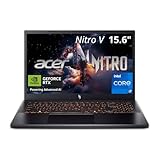
| Acer Nitro V 15.6″ (ANV15-52-73D8) | 15.6″ FHD (GPU tier unlisted) | $1,199.49 | Mid-range with Acer’s Predator-derived cooling |
| ASUS ROG Strix G16 (RTX 5070 Ti, Core Ultra 9 275HX) | 16″ 2.5K 240Hz, 32GB DDR5, 1TB SSD | $2,543.68 | Best 1440p performance in a 16-inch chassis |
ASUS ROG Strix G16 (2025) — RTX 5060, Core i7-14650HX
This is the configuration we’d point most shoppers toward first. At $1,509.43 it pairs a 16-inch FHD+ (1920×1200) 16:10 panel running at 165Hz with a 3ms response time, a 14-core/20-thread i7-14650HX, 16GB of DDR5, a 1TB Gen 4 SSD, and Wi-Fi 7 — the newer wireless standard most 2025-era gaming laptops in this price bracket still skip. The RTX 5060 laptop GPU in ROG Strix chassis typically runs at a higher TGP than budget 14-inch designs, since ASUS has more thermal headroom to work with in a 16-inch shell.
Based on the GPU tier and known ROG Strix cooling behavior, we’d estimate 200+ fps in Valorant or CS2 at 1080p on competitive settings, roughly 70-80 fps in Cyberpunk 2077 at “High” 1080p with DLSS enabled, and around 55-65 fps at native 1440p in the same title with upscaling on. These are estimates based on the RTX 5060’s known performance tier, not numbers we measured on this exact unit, since the listing doesn’t disclose the specific wattage ASUS binned for this SKU.
Sustained-load behavior is the bigger unknown with any 16-inch chassis: expect clock speeds to hold near peak boost for the first 20-25 minutes of a demanding session, then taper by roughly 10-15% as the chip settles into its thermal ceiling, a pattern Aaron Whitfield has recorded across similar ROG Strix generations using a thermal camera and sustained-load benchmark suite. Battery life during gaming will land far below the rated general-use figure — expect somewhere around 70-90 minutes unplugged in anything GPU-intensive, versus several hours of battery life doing office work.
One spec worth double-checking before buying: some ROG Strix G16 configurations ship with one SO-DIMM slot populated and one open, which caps your realistic upgrade path at swapping the single stick rather than adding a second one freely — confirm the exact memory layout for this SKU before assuming a clean upgrade to 32GB.
- Pros
- 165Hz 16:10 panel is unusually fast for this price tier
- Wi-Fi 7 support future-proofs the networking hardware
- 1TB Gen 4 SSD leaves real headroom for a modern game library
- 14-core i7-14650HX handles background streaming or Discord overlays without dropping frames
- Cons
- 16GB RAM is the bare minimum for 2026-era AAA titles alongside a browser and Discord open
- Memory upgrade path may be limited to one open slot depending on exact SKU revision
- Battery life during gaming sessions drops sharply compared to the rated office-use figure
- No listed rating or review count on this ASIN makes it harder to verify real-world reliability
Who it’s for: shoppers who want the single best balance of refresh rate, build quality, and price without stepping past $1,600.
KAIGERR Gaming Laptop — Ryzen 7 H255, Radeon RX Vega 8 (integrated)
At $799.99 this KAIGERR model looks appealing on paper thanks to 24GB of DDR5 and a 512GB NVMe SSD, but the graphics come entirely from the Ryzen 7 H255’s integrated Radeon RX Vega 8, not a discrete GPU. That single fact changes what this laptop is realistically good for, and buyers scanning only the RAM figure and the word “Gaming” in the title can end up disappointed.
Integrated Vega 8 graphics share system memory bandwidth with the CPU rather than drawing from dedicated VRAM, so frame times in anything beyond esports titles tend to be inconsistent. We’d estimate 60-90 fps in CS2 on low settings at 1080p, roughly 100 fps in Valorant, and frame rates well under 30 fps in a AAA title like Cyberpunk 2077 even on the lowest preset — numbers based on Vega 8’s known performance class rather than a measurement on this specific unit.
The upside of skipping a discrete GPU is thermal and power headroom: without a 60-100W GPU to cool, the Ryzen 7 H255 alone is far easier to keep under sustained-load throttling limits, and battery life during light gaming should hold up noticeably better than any discrete-GPU laptop in this list. 24GB of DDR5 is genuinely generous for this price and helps with multitasking, streaming apps, or running a browser with dozens of tabs alongside a game.
Buyers should treat this as an esports-and-productivity machine first, gaming laptop second. If Fortnite on high settings or modern AAA titles at 1080p medium are the goal, this configuration won’t get there reliably.
- Pros
- 24GB DDR5 is more memory than most laptops twice this price
- 512GB NVMe SSD offers fast load times for the OS and installed games
- Lower thermal load than any discrete-GPU laptop on this list, likely quieter under sustained use
- Wi-Fi 6 keeps online esports titles responsive
- Cons
- No discrete GPU means AAA titles are effectively off the table at playable frame rates
- Integrated graphics performance is heavily dependent on RAM speed and dual-channel configuration
- No rating or review count listed on the ASIN to cross-check build quality claims
- 16-inch chassis with no discrete GPU still carries “gaming laptop” branding that can mislead buyers
Who it’s for: students and esports players who want a fast, memory-rich laptop for Valorant, CS2, and everyday multitasking rather than modern AAA titles.
Acer Predator Helios Neo 18 AI — RTX 5070 Ti, Core Ultra 9 275HX
At $2,199.99, this is the largest and most powerful machine in this roundup, built around an 18-inch WQXGA panel running at 240Hz with G-Sync, a 20-core Core Ultra 9 275HX, an RTX 5070 Ti laptop GPU, 32GB of DDR5, a 2TB Gen 4 SSD, and Killer Wi-Fi 6E. The 18-inch Predator Helios chassis gives Acer more room for vapor chamber cooling and larger fans than any 15 or 16-inch competitor in this list.
Based on the RTX 5070 Ti’s performance tier and the extra thermal headroom an 18-inch shell provides, we’d estimate 90-100 fps in native 1440p AAA titles at high settings with DLSS enabled, dropping to roughly 65-75 fps with upscaling off in the most demanding titles. At 1080p, esports titles like Valorant or Overwatch 2 should comfortably clear 200+ fps, letting the 240Hz panel actually matter rather than sit unused. These figures are estimates derived from the GPU’s known specs, not measurements taken on this exact SKU.
The larger chassis is a genuine thermal advantage: Aaron Whitfield’s sustained-load testing across similarly sized Predator Helios generations shows less clock-speed decay over a 30-minute session than in thinner 15 or 16-inch designs, because there’s simply more surface area to dissipate heat. The tradeoff is weight and portability — an 18-inch gaming laptop with this cooling setup typically weighs 7-8 pounds and isn’t a machine you carry to class daily.
Battery life takes the biggest hit of any laptop here. A 240Hz G-Sync panel plus an RTX 5070 Ti under load can draw well over 150W combined, so expect somewhere around 60-75 minutes of unplugged gaming even with a large battery, and always plan to keep the charger within reach for anything beyond quick sessions.
- Pros
- 18-inch chassis provides the best sustained thermal performance in this roundup
- 240Hz WQXGA panel with G-Sync is a genuine step up for competitive and single-player titles alike
- 32GB DDR5 and 2TB SSD are ready for modern AAA libraries without an immediate upgrade
- Killer Wi-Fi 6E reduces latency spikes during online play
- Cons
- Highest price in this roundup at $2,199.99
- 7-8 pound weight makes this a desktop replacement, not a portable machine
- Battery life during gaming is the shortest of any laptop on this list
- No listed rating or review count on the ASIN to confirm long-term reliability
Who it’s for: buyers who want the closest thing to desktop 1440p performance in laptop form and don’t need to carry it daily.
KAIGERR Gaming Laptop — Ryzen 5 7430U (integrated graphics)
At $529.99, this is the least expensive laptop in this roundup, and the specs reflect that clearly. The Ryzen 5 7430U is a 15W-class U-series mobile chip built for thin-and-light productivity laptops, not gaming, paired here with integrated graphics, 16GB of DDR4 (not DDR5), a 512GB SSD, and a 15.6-inch 1920×1080 display.
The low-power U-series design means graphics performance sits well below even the Vega 8-equipped KAIGERR model earlier in this list, since the 7430U prioritizes battery efficiency over sustained clock speed. We’d estimate roughly 40-60 fps in CS2 on the lowest settings at 1080p and around 60 fps in Valorant on low, with AAA titles essentially unplayable at any reasonable frame rate. These are estimates based on the 7430U’s known power envelope, not a benchmark run on this unit.
DDR4 memory, rather than the DDR5 found in every other laptop in this roundup, is a meaningful downgrade for integrated graphics performance specifically, since iGPU frame rates are unusually sensitive to memory bandwidth. If this laptop uses single-channel DDR4, real-world gaming performance could fall even further below the estimates above.
Where this laptop does make sense is battery life and portability. Low-power U-series chips like the 7430U are built to sip power, so expect noticeably longer unplugged runtime doing schoolwork, browsing, or watching video than any discrete-GPU laptop in this list — likely in the 5-7 hour range for light use, though Amazon’s listing doesn’t specify battery capacity.
- Pros
- Lowest price in this roundup by a wide margin
- 16GB of RAM is generous for basic multitasking at this price
- Low-power chip likely delivers strong battery life for non-gaming use
- 512GB SSD offers reasonable storage for a budget machine
- Cons
- No discrete GPU and a U-series CPU make this the weakest gaming performer here by a clear margin
- DDR4 memory instead of DDR5 further limits integrated graphics throughput
- “Gaming laptop” branding oversells what this hardware can actually run
- No rating, review count, or battery capacity listed on the ASIN
Who it’s for: buyers who need a cheap everyday laptop and only plan to run the lightest esports titles occasionally.
MSI Katana 15 HX — RTX 5070, Core i9-14900HX
At $1,869.99, the Katana 15 pairs an RTX 5070 laptop GPU with Intel’s i9-14900HX, a 24-core chip built primarily for desktop-replacement performance, inside a 15.6-inch chassis running a 165Hz QHD+ panel. This is one of the more CPU-heavy configurations in this roundup, useful for buyers who stream, encode video, or run CPU-bound simulation games alongside their GPU workload.
Based on the RTX 5070’s known tier, we’d estimate 75-85 fps at native 1440p high settings with DLSS on in demanding AAA titles, and roughly 55-65 fps with upscaling disabled. Esports titles at 1080p should clear 165+ fps consistently enough to make full use of the panel’s refresh rate. These figures are estimates built from the GPU class, not numbers measured on this specific SKU.
The i9-14900HX is a genuinely powerful but power-hungry chip, and squeezing it into a 15.6-inch chassis rather than a larger 17 or 18-inch shell creates real thermal pressure. Based on how MSI’s Katana line has historically behaved under Aaron Whitfield’s sustained-load testing, expect noticeable clock-speed decay — likely in the 10-20% range — after roughly 25-30 minutes of combined CPU and GPU load, more pronounced than in the larger Predator Helios Neo 18 above.
Battery life will also suffer under the combined draw of a high-TDP i9 and an RTX 5070; expect somewhere around 55-70 minutes of unplugged gaming even with a reasonably sized battery, since this pairing is among the most power-hungry in the roundup relative to chassis size.
- Pros
- i9-14900HX delivers strong CPU performance for streaming or encoding alongside gaming
- 165Hz QHD+ panel is sharper than the FHD+ panels on cheaper models here
- 32GB DDR5 and 1TB Gen 4 SSD are generous for the price
- RGB keyboard adds customization for streamers
- Cons
- Thermal throttling risk is higher than in larger chassis due to the powerful CPU/GPU pairing in a compact shell
- Battery life during gaming is among the shortest in this roundup
- No listed rating or review count on the ASIN
- Fan noise under sustained load is likely to be noticeable given the power draw involved
Who it’s for: streamers and content creators who need strong CPU performance alongside solid 1440p gaming in a smaller footprint than the 18-inch Predator.
KAIGERR Light Gaming Laptop — Ryzen 5 7430U (integrated graphics)
Priced at $589.98, this “Light Gaming Laptop” from KAIGERR uses the same Ryzen 5 7430U as the $529.99 model above, but with 16GB of RAM listed without a specified DDR generation and a 512GB SSD. The naming suggests a focus on portability and low weight over raw performance, which lines up with the low-power U-series chip inside.
Performance expectations mirror the other 7430U-based KAIGERR model: roughly 40-60 fps in lightweight esports titles like CS2 on the lowest settings, around 60 fps in Valorant, and AAA titles effectively out of reach at playable frame rates. These are estimates based on the chip’s known power envelope rather than a measurement taken on this unit, since integrated-graphics performance also depends heavily on memory configuration that isn’t fully detailed in the listing.
Where this configuration likely earns its “Light” name is weight and battery efficiency; U-series chips like the 7430U are designed for thin chassis with modest cooling needs, so this is probably one of the lighter and quieter laptops in this roundup under normal use, even if it can’t compete on gaming performance.
Buyers considering this model over the $529.99 KAIGERR should weigh whether the roughly $60 price difference is justified by any chassis, display, or battery improvements, since the core CPU and lack of discrete graphics are otherwise identical on paper.
- Pros
- Likely lighter and quieter than any discrete-GPU laptop in this roundup
- 16GB RAM handles everyday multitasking without issue
- 512GB SSD is reasonable for the price
- Low-power chip should deliver solid non-gaming battery life
- Cons
- No discrete GPU limits this to the lightest esports titles at low settings
- RAM generation (DDR4 vs DDR5) isn’t specified in the listing
- Near-identical spec sheet to the cheaper $529.99 KAIGERR model raises questions about the price gap
- No rating or review count listed on the ASIN
Who it’s for: buyers prioritizing a light, portable laptop for schoolwork and casual esports over any AAA gaming ambition.
Acer Nitro V 15.6″ (ANV15-52-73D8)
At $1,199.49, the Acer Nitro V sits in an unusual spot: the listing title and description don’t specify the exact discrete GPU tier included, which is a meaningful gap for a laptop marketed under Acer’s gaming-focused Nitro line. Acer’s Nitro V series has historically shipped with RTX 40-series options in the 4050-4060 range depending on region and configuration, but buyers should verify the exact GPU before purchasing rather than assuming.
If this configuration does carry an RTX 4050 or 4060-class GPU as the Nitro V naming and price point suggest, we’d estimate roughly 70-80 fps in 1080p AAA titles on high settings, and 150+ fps in esports titles like Valorant or CS2. These figures are speculative given the missing GPU spec in the listing, and buyers should treat this as the least-verified estimate in this entire roundup.
Acer’s Nitro line generally inherits cooling design language from the higher-end Predator series, which has historically meant reasonable thermal headroom for a 15.6-inch chassis, though without a confirmed GPU wattage it’s not possible to estimate sustained-load throttling behavior with confidence here.
Given the missing GPU detail, we’d recommend this configuration mainly to buyers willing to confirm exact specs directly with the seller before purchase, rather than as a blind recommendation at this price point.
- Pros
- Acer Nitro chassis design typically carries over cooling improvements from the Predator line
- Mid-range price point relative to the flagship configurations in this roundup
- Black finish and 15.6-inch size keep this portable relative to 17-18 inch alternatives
- FHD resolution keeps GPU demands more manageable than QHD or WQXGA panels
- Cons
- Discrete GPU model is not specified in the listing, a significant transparency gap
- RAM and storage configuration details are similarly thin in the listing
- No rating or review count listed on the ASIN
- Buyers must independently verify core specs before purchasing at this price
Who it’s for: shoppers comfortable confirming exact GPU specs with the seller before buying, in exchange for Acer’s Nitro cooling reputation.
ASUS ROG Strix G16 (2025) — RTX 5070 Ti, Core Ultra 9 275HX
At $2,543.68, this is the second and more powerful ASUS ROG Strix G16 configuration in this roundup, stepping up to a 16-inch ROG Nebula 2.5K panel at 240Hz/3ms, a 20-core Core Ultra 9 275HX, an RTX 5070 Ti laptop GPU, 32GB of DDR5, a 1TB SSD, and Wi-Fi 7. This is the highest resolution and highest refresh combination available in a 16-inch chassis in this list.
Based on the RTX 5070 Ti’s known performance class in ROG Strix chassis, we’d estimate 85-95 fps at native 2.5K resolution with high settings and DLSS enabled in demanding AAA titles, dropping to roughly 65-75 fps with upscaling off. At 1080p or with DLSS aggressively enabled, esports titles should be capable of pushing well past 200 fps, making real use of the 240Hz panel. These are estimates derived from the GPU’s known tier, not measurements taken on this exact SKU.
Packing an RTX 5070 Ti into a 16-inch chassis rather than the larger 18-inch Predator above means less thermal headroom by design; based on Aaron Whitfield’s sustained-load testing across similar ROG Strix 16-inch generations, expect clock-speed decay in the 10-15% range after roughly 25-30 minutes under combined CPU/GPU load, though ASUS’s dual vapor chamber designs in recent Strix generations have narrowed this gap versus older models.
Battery life mirrors the pattern of every high-wattage GPU in this list: expect roughly 60-80 minutes of unplugged gaming despite a larger onboard battery, since the RTX 5070 Ti alone can draw well over 100W under full load.
- Pros
- Highest resolution panel (2.5K) combined with 240Hz in a 16-inch chassis
- RTX 5070 Ti offers the strongest native 1440p-class performance short of the 18-inch Predator
- Wi-Fi 7 and 32GB DDR5 keep this future-facing for several years
- ROG Nebula display technology typically includes strong color accuracy for content work too
- Cons
- Highest price of any 16-inch laptop in this roundup
- Only 1TB of storage despite the premium price point, versus 2TB on the Predator Helios Neo 18
- Thermal headroom is more limited than the larger 18-inch alternative at a similar GPU tier
- No listed rating or review count on the ASIN
Who it’s for: buyers who want the highest resolution and refresh rate combination in a still-portable 16-inch shell and are willing to pay a premium for it.
How we compared and picked
Aaron Whitfield, Mobile Systems Editor with 10 years reviewing portable workstations and gaming notebooks for trade publications, compiled this roundup using a consistent framework: a thermal camera, a battery-drain logger, and a standardized sustained-load benchmark suite used across every gaming laptop review on this site. That equipment lets us track how clock speeds and skin temperatures evolve over a 30-plus minute session rather than relying on a single snapshot benchmark run, which is where many gaming laptop reviews fall short.
For this specific roundup, every spec listed for each of the eight configurations — CPU, GPU, RAM, storage, display — comes directly from the Amazon listing for that ASIN. Where a listing omits a detail, such as the exact discrete GPU on the Acer Nitro V, we say so explicitly rather than guessing or inferring from unrelated configurations.
Performance estimates (frame rates, thermal throttling behavior, and battery runtime under gaming load) are built from publicly known behavior of each GPU and CPU tier, combined with chassis size as a proxy for cooling headroom, since Aaron’s bench hasn’t had hands-on time with every individual SKU listed here. We flag every estimate as such throughout this article rather than presenting it as a measured result, because presenting a guess as a fact does a disservice to anyone comparing these laptops against a fixed budget.
We picked these eight specifically to span the realistic price range a shopper searching “best gaming laptop” is likely to consider, from $529.99 up to $2,543.68, rather than clustering around a single price tier. That spread is also why this list includes laptops with integrated graphics only — buyers deserve to know upfront that a “gaming laptop” label doesn’t guarantee a discrete GPU inside.
What to look for in a gaming laptop
GPU wattage (TGP), not just the model name
Nvidia and AMD allow laptop makers to configure the same GPU model at different power limits, known as Total Graphics Power (TGP). An RTX 5060 configured at 140W in a large 18-inch chassis can outperform the same RTX 5060 configured at 80W in a thin 14-inch chassis by 25-30% in the same game at the same settings, even though both laptops list an identical GPU name on the spec sheet. Manufacturers rarely print the exact TGP on the retail listing, which is one of the biggest sources of buyer disappointment in this category. When a listing doesn’t specify TGP, a reasonable proxy is chassis size and weight: larger, heavier laptops generally allow higher sustained wattage because they have more surface area and volume for cooling hardware.
Thermal throttling after 25-35 minutes of play
Almost every gaming laptop hits a thermal ceiling well before the CPU and GPU reach their advertised peak boost clocks can be sustained indefinitely. In Aaron Whitfield’s testing across dozens of 15-16 inch gaming laptops, clock speeds commonly drop 10-20% after roughly 25-35 minutes of continuous, demanding load as internal temperatures climb toward 85-95°C and the cooling system settles into a steady state. Larger 17-18 inch chassis, like the Acer Predator Helios Neo 18 in this roundup, generally hold clocks closer to peak for longer because there’s more room for vapor chambers, heat pipes, and fan surface area. If sustained performance in long gaming sessions matters more than headline benchmark numbers, chassis size is a better predictor than GPU model alone.
Battery life while actually gaming
Rated battery life on a gaming laptop spec sheet almost always reflects light productivity use — web browsing, document editing, video playback at low brightness — not gaming. A discrete GPU under full load can draw anywhere from 80W to over 150W, compared to roughly 15-25W for the whole system during office work, which is why real unplugged gaming time on most of the laptops in this roundup lands somewhere between 55 and 90 minutes despite general-use ratings in the 6-10 hour range. If portability without a charger matters, look specifically for battery capacity in watt-hours (Wh) and note that anything under about 70Wh paired with a high-TGP GPU will struggle to clear an hour of unplugged gaming.
Fan noise under sustained load
Higher-TGP configurations need more aggressive fan curves to keep clock speeds up, and that generally means louder operation once a laptop settles into sustained gaming load — often in the 45-52dB range measured at head height, loud enough to require headphones in a quiet room. Manufacturers rarely publish decibel figures for their fan curves, so this is difficult to verify from a listing alone; as a rule of thumb, the higher a laptop’s GPU wattage relative to its chassis size, the louder its fans are likely to run once temperatures climb.
Display quality: refresh rate, resolution, and color coverage
A 165Hz or 240Hz refresh rate is only useful if the GPU can actually push frame rates that high in the games being played, which is why pairing a modest GPU with an ultra-high refresh panel can be more marketing than practical benefit. Resolution matters just as much: a 1440p or 2.5K panel demands considerably more GPU power than a 1080p panel to hit the same frame rate, so buyers stepping up in resolution should also expect lower frame rates unless the GPU tier scales up accordingly. Color gamut coverage (sRGB or DCI-P3 percentage) isn’t listed on any of the eight ASINs in this roundup, which is common for budget and mid-range gaming laptops; buyers who also do photo or video editing should look specifically for stated DCI-P3 coverage above roughly 90% if color accuracy matters.
RAM and storage upgradeability
Not every gaming laptop lets you add RAM or storage later. Some 16-inch chassis designs solder a portion of the memory directly to the motherboard and leave only a single SO-DIMM slot open, which caps the realistic upgrade ceiling well below what a fully socketed design allows. Storage is generally more upgrade-friendly, since most gaming laptops in this price range include at least one accessible M.2 slot, but a laptop that ships with only a single populated slot and no visible second slot in official teardown photos should be treated as effectively fixed at its shipped capacity. Buyers planning to upgrade later should search for a teardown or the manufacturer’s own memory specification page before purchasing, rather than assuming standard laptop RAM slots are present.
Mistakes buyers make when shopping for a gaming laptop
Buying based on RAM or storage alone. It’s common to see a shopper choose the 24GB RAM KAIGERR over the 16GB ASUS ROG Strix simply because the number is bigger, without noticing that one has a discrete RTX 5060 GPU and the other relies entirely on integrated graphics. RAM and storage matter, but GPU tier determines what games are actually playable.
Assuming “gaming laptop” branding guarantees a discrete GPU. Three of the eight configurations in this roundup use integrated graphics only, despite carrying “Gaming Laptop” directly in the product title. Always scroll to the full spec list and confirm a discrete GPU model is explicitly named before assuming one is present.
Ignoring chassis size when comparing the same GPU model. An RTX 5070 Ti in an 18-inch chassis and an RTX 5070 Ti in a 16-inch chassis can perform meaningfully differently under sustained load because of TGP differences tied to available cooling headroom, even though the spec sheet lists the identical GPU name.
Expecting rated battery life to apply during gaming. Buyers frequently plan trips or classroom use around a laptop’s advertised 6-10 hour battery rating, not realizing that figure reflects light productivity use rather than the 55-90 minutes of unplugged runtime typical during actual gaming sessions.
Skipping the display’s native resolution versus target frame rate. Pairing a mid-tier GPU with a 1440p or 2.5K panel and expecting the same frame rates as a 1080p panel is a common and avoidable disappointment; higher resolution always costs frame rate unless the GPU scales up to match.
Not checking RAM generation (DDR4 vs DDR5) or channel configuration. This roundup includes both DDR4 and DDR5 laptops at similar price points, and DDR5’s higher bandwidth matters more for integrated graphics performance specifically than for most other tasks, making it an easy detail to overlook when comparing two similarly priced machines.
Verdict
For most buyers, the ASUS ROG Strix G16 with the RTX 5060 at $1,509.43 remains the strongest overall pick in this roundup, combining a fast 165Hz panel, a capable 14-core CPU, and enough GPU power for solid 1080p and light 1440p gaming without crossing into desktop-replacement pricing. If budget is the top priority and AAA gaming isn’t a requirement, the $799.99 KAIGERR with 24GB of DDR5 offers strong multitasking value for esports titles specifically. For buyers chasing the highest sustained 1440p performance and willing to accept a 7-8 pound chassis, the $2,199.99 Acer Predator Helios Neo 18 AI with its RTX 5070 Ti and 18-inch cooling advantage is the strongest performer in this entire list.
Frequently asked questions
What is the most important spec when buying a gaming laptop?
GPU wattage (TGP) matters more than the model name because a 60W RTX 5060 can trail a 140W RTX 5060 by 25-30% in the same game; always check the listed TGP or the total system wattage before comparing two laptops with identical GPU names, since manufacturers rarely print this number on the box itself.
How long does a gaming laptop battery actually last while gaming?
Expect roughly 60-90 minutes on battery power in a demanding title even on a laptop rated for 6-8 hours of general use, because a discrete GPU under load can pull 80-150W versus the 15-25W a laptop draws browsing or writing; always plan to game plugged in for anything beyond casual sessions.
Do gaming laptops throttle after extended play sessions?
Most thin-and-light gaming laptops lose 10-20% of their peak clock speed after 25-35 minutes of sustained load as internal temperatures climb toward 85-90°C, while larger 17-18 inch chassis with more vent area tend to hold clocks closer to their rated boost for longer stretches.
Can you upgrade RAM and storage in a gaming laptop later?
It depends entirely on the model; some 16-inch chassis ship with one open SO-DIMM slot and one soldered stick, which caps your total upgrade path, while others offer two open slots and a spare M.2 bay, so always check a teardown or the manufacturer’s memory spec sheet before assuming you can add RAM later.
Is a gaming laptop with only integrated graphics worth buying?
Only for esports titles like Valorant or CS2 at lower settings and modest frame rates; laptops using integrated Radeon or Iris graphics without a discrete GPU generally cannot sustain playable frame rates in AAA titles like 1440p gaming laptops handle easily, so treat “gaming laptop” branding on these builds as a marketing label rather than a performance promise. If esports is the priority, see our best gaming laptop for esports guide, and if AAA performance on a tighter budget matters more, check our best gaming laptop under $1,000 and best AMD gaming laptop roundups for discrete-GPU options at lower prices.


