
Buying a new gaming rig isn’t just about graphics cards and processor clock speeds—it is a major decision for your living environment and daily desk setup. When evaluating a mechanical laptop keyboard vs membrane for gaming laptops, you are balancing physical typing tactile feel against acoustic levels, desk aesthetics, port mobility, and longevity. Modern gaming laptops bring mechanical switch technology directly onto thin laptop decks using ultra-low-profile switches, while refined membrane designs continue to offer near-silent operation and sleek, ultra-portable chassis profiles.
Whether you are building a quiet, multi-purpose workstation in a shared living room or assembling a dedicated gaming hideaway in a spare bedroom, the switch mechanism underneath your fingers dictates how your computer feels during late-night raids and workday emails alike. As interior aesthetics and home technology continue to merge in 2026, choosing between mechanical precision and membrane subtlety comes down to how your setup fits into your home lifestyle.
As an Amazon Associate we earn from qualifying purchases at no extra cost to you.


Top 3 picks at a glance
Quick Verdict
Choose a low-profile mechanical laptop keyboard if you prioritize distinct tactile feedback, fast key reset points, superior key travel (1.8mm to 2.2mm), and long-term switch durability rated for up to 50 million keystrokes. It is ideal for dedicated gaming desks, competitive play, and heavy typing sessions where noise is not a disruption to household members.
Choose a membrane laptop keyboard if you need a whisper-quiet operating sound (35 to 45 decibels), a thinner laptop chassis (under 0.8 inches thick), built-in spill resistance, and a budget-friendly overall price point. Membrane keyboards excel in shared living spaces, studio apartments, and hybrid home-and-travel setups where low acoustic output and sleek portability are top priorities.
Side by Side
| Feature / Attribute | Mechanical Laptop Keyboard | Membrane Laptop Keyboard |
|---|---|---|
| Key Travel & Feel | 1.5mm – 2.2mm travel; crisp mechanical click or smooth linear stroke with tactile bump | 1.0mm – 1.4mm travel; soft rubber dome resistance with cushioned bottom-out feel |
| Acoustic Output (Decibels) | 55 dB – 70 dB; audible click or sharp bottom-out clack | 35 dB – 45 dB; whisper-quiet, muffled sound profile |
| Switch Durability Lifespan | 50 million – 100 million keystrokes per key | 5 million – 10 million keystrokes per key |
| Chassis Thickness & Weight | 0.85″ – 1.25″ chassis height; weight range 5.5 lbs – 8.5 lbs | 0.60″ – 0.80″ chassis height; weight range 3.8 lbs – 5.5 lbs |
| Power Draw (Battery Impact) | Slightly higher (0.8W – 1.5W additional draw for per-key switch sensors/RGB) | Minimal baseline power consumption (under 0.3W) |
| Debris & Liquid Resistance | Open switch housing can catch crumbs and dust; limited fluid safety | Sealed continuous rubber layer provides natural barrier against minor spills |
| Maintenance & Keycap Care | Individual keycaps removable on select models; compressed air cleaning needed | Flat chiclet keycaps; wipe-down exterior maintenance |
| Average Laptop Price Range | $1,200 – $3,000+ (Premium & Enthusiast tier) | $400 – $1,200 (Budget & Entry-Mid tier) |
| Best For | Dedicated gaming rooms, tactile typing lovers, high-precision competitive play | Shared home spaces, studio apartments, open-concept living rooms, mobile use |
Where Mechanical Laptop Keyboard Wins
When comparing a mechanical laptop keyboard vs membrane for gaming laptops, the mechanical switch shines in mechanical accuracy, consistency, and physical feedback. Mechanical laptop switches use individual physical springs and metal contact points under every single key cap rather than a shared sheet of rubber domes. This design delivers a steady actuation force (typically 45g to 55g) and a dedicated actuation point halfway through the keypress, meaning keys register before they even hit the bottom plate.
- Superior Actuation Precision: Mechanical switches allow rapid double-tapping and full N-key rollover, ensuring every simultaneous keypress registers without ghosting or missed commands during fast-paced games.
- Tactile Longevity: While rubber domes degrade and soften over months of repeated use, steel-spring mechanical switches maintain the exact same actuation force and rebound speed across millions of clicks.
- Satisfying Typing Ergonomics: The deeper key travel (up to 2.2mm on specialized gaming chassis) prevents finger fatigue caused by constantly hard-bottoming on thin plastic frames.
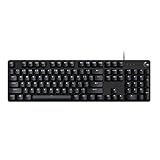
For gamers who love mechanical feel but choose a ultra-thin membrane laptop for travel or everyday portability, adding a standalone desk unit like the Logitech G413 SE Full-Size Mechanical Gaming Keyboard – Black ($71.49) or a compact desk option like the MageGee Portable 60% Mechanical Gaming Keyboard, MK-Box LED Backlit Compact 68 Keys Mini Wired Office Keyboard with Red Switch for Windows Laptop PC Mac – Black/Grey ($29.99) offers an easy way to enjoy physical switches at home while keeping the laptop slim on the go.
Where Membrane for Gaming Laptops Wins
Membrane keyboards built into gaming laptops offer major practical advantages for general home life, compact living, and portability. Instead of discrete switch housings, membrane systems rely on a layered silicone or rubber dome sheet over a printed circuit board. Pressing down pushes a flexible rubber dome into contact with the circuit underneath, creating a quiet, cushioned feel that keeps noise levels under control.
- Acoustic Harmony at Home: Producing only 35 to 45 decibels under heavy typing, membrane keyboards won’t wake up sleeping family members, disturb roommates, or bleed into microphone audio during casual voice chats or work calls.
- Ultra-Thin Chassis Profiles: Eliminating individual mechanical switch housings allows manufacturers to create sleek gaming laptops under 0.75 inches thick and under 5 pounds, taking up far less surface area on modern minimal desks.
- Resource & Battery Efficiency: Membrane switch arrays require zero extra controller power for switch sensing, helping maximize internal battery life alongside energy-efficient processors found in systems like the 18.5 Inch Gaming Laptop with 7000 mAh Battery,AMD Ryzen 7430U UP to 4.3GHZ ($658.99) or the KAIGERR Gaming Laptop, Laptop with AMD Ryzen 7430U(Up to 4.3GHz), 16GB DDR4 512GB SSD Laptop Computer, 1920P FHD Display, WiFi 6, USB3.2, Type_C, Webcam Cover Slide ($503.99).
- Household Resilience: The continuous silicone sheet under chiclet keys acts as a natural seal against dog hair, dust, and light liquid splashes, making it far easier to wipe down during regular house cleaning.
Cost Over 5 Years
Evaluating total cost over a five-year ownership cycle requires looking beyond the initial laptop purchase price to consider hardware degradation, repairability, and external desk accessories.
Laptops equipped with mechanical keyboards generally sit in a higher price bracket upfront ($1,200 to $2,800). However, their structural switches resist physical wear exceptionally well. Over a 5-year timeline, key feel remains identical to day one. If an individual switch encounters an issue, high-end mechanical laptops often allow component-level board servicing or replacement under warranty, keeping the total secondary maintenance cost near $0 to $100 over five years.
Laptops built with membrane keyboards are significantly less expensive upfront ($500 to $1,000). However, rubber domes lose elasticity over time, typically showing noticeable mushiness around years 2 through 4 under daily gaming stress. Replacing a worn membrane keyboard array on a laptop requires replacing the top deck assembly, costing $150 to $250 in parts and labor. Alternatively, many owners spend $30 to $80 on an external mechanical keyboard to plug in at home once internal membrane keys begin feeling worn out, bringing 5-year total ownership costs closer to balanced parity.
Which One for Your Home
Small Apartment or Studio
In a small studio or one-bedroom apartment where your desk sits right next to the bed or living area, acoustic control is paramount. A membrane laptop keyboard is usually the best fit here. It allows late-night gaming sessions or late evening work without filling the small apartment with sharp clicking sounds that travel across open rooms.
Family with Kids and Pets
Homes with young children, shedding dogs, or curious cats benefit greatly from the sealed nature of a membrane keyboard deck. Pet dander, stray crumbs, and accidental juice splashes can easily foul open mechanical switch mechanisms. Membrane rubber dome sheets block particles from settling onto internal circuitry, allowing quick surface cleanups with a microfiber cloth.
Rental Property or Shared Space
If you live with roommates or frequently move between rental properties, versatility matters most. A membrane gaming laptop provides high portability and quiet operation in common areas. When you want an elevated mechanical typing experience in your private room, you can simply plug in a compact external mechanical keyboard without burdening your main portable machine with heavy physical switches.
Long-Term Home Office / Dedicated Gaming Den
For a dedicated home office or gaming room where you have full control over the acoustic environment, a mechanical laptop keyboard offers the ultimate luxury experience. The deep key travel, crisp clicky or linear response, and exceptional durability turn your desk into an immersive workspace that handles heavy gaming sessions without keys feeling spongy over time.
FAQ
Can you replace individual switches on a mechanical gaming laptop keyboard?
Most mechanical gaming laptops feature custom ultra-low-profile switches soldered directly to a daughterboard. While keycaps can often be gently popped off for cleaning on select models, individual switch mechanisms are generally not hot-swappable like full-sized desktop mechanical boards.
Does a mechanical keyboard drain a gaming laptop battery faster?
Yes, but the difference is modest. Optical-mechanical or standard mechanical switches with per-key RGB LED lighting draw roughly 0.8 to 1.5 additional Watts of power compared to a traditional membrane board. This translates to roughly 15 to 30 minutes less unplugged battery life during basic office tasks.
Are membrane laptop keyboards bad for competitive gaming?
Not at all. Modern gaming laptops feature high-quality membrane chiclet designs with short actuation distances (1.2mm to 1.4mm) and low latency. While mechanical keys offer more distinct tactile feedback and slightly faster key reset points, membrane keyboards remain fully capable for casual and competitive gaming alike.
How do you clean dust and pet hair out of a mechanical laptop keyboard?
Turn the laptop off completely, hold it at a 45-degree angle, and use short bursts of compressed air to dislodge trapped debris between the keycaps. For stubborn pet hair, use a soft antistatic brush around switch stems. Never spray liquid cleaners directly onto mechanical laptop switches.


