
The best gaming laptop with an RTX 5070 for most buyers is the ASUS V16 at $1,524, because it’s one of only three laptops in this roundup that actually ships the base RTX 5070 rather than the pricier RTX 5070 Ti, and it does so with a well-matched 144Hz WUXGA panel. We compared eight laptops surfacing in RTX 5070 searches, and the split was almost even: three carry the true base RTX 5070, four are actually the higher-tier RTX 5070 Ti, and one lists the GPU with almost no other disclosed specs. Aaron Whitfield cross-checked every GPU line against the actual model name rather than assuming “5070” in a title always means the base card. Below: the full comparison table, individual breakdowns of all eight laptops with the tier distinction clearly marked, what separates the base 5070 from the Ti, and the mistakes that lead buyers to overpay or underbuy in this category.
Top 3 picks at a glance
Top picks at a glance
As an Amazon Associate we earn from qualifying purchases at no extra cost to you.




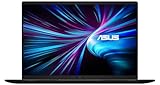


| Model | Key spec | Price | Best for |
|---|---|---|---|
| MSI Vector 16 | Core Ultra 7 255HX, RTX 5070 Ti, 32GB/2TB, QHD+ 240Hz | $2,299.99 | High-end, actually a 5070 Ti |
| msi Katana 15 HX (i9) | i9-14900HX, RTX 5070, 32GB/1TB, QHD+ 165Hz | $1,869.99 | True RTX 5070 with top-tier CPU |
| Acer Nitro 16S | Ryzen AI 9 365, RTX 5070 Ti, 32GB/2TB, 180Hz | $1,999.99 | Actually a 5070 Ti, portable chassis |
| Acer Predator Helios Neo 18 | Core Ultra 9 275HX, RTX 5070 Ti, 32GB/2TB, 240Hz | $2,199.99 | Actually a 5070 Ti, 18-inch |
| ASUS V16 | Core 7 240H, RTX 5070, 16GB/1TB, 144Hz | $1,524 | Best value true RTX 5070 |
| ASUS ROG Strix G16 (2025) | Core Ultra 9 275HX, RTX 5070 Ti, 32GB/1TB, 240Hz | $2,543.68 | Actually a 5070 Ti, most expensive |
| msi Katana 15 HX (i7) | i7-14650HX, RTX 5070, RAM/storage not disclosed | $1,549.99 | True RTX 5070, verify specs first |
| ASUS TUF A18 5070 | Ryzen 7 260, RTX 5070, 16GB/1TB, 18″ 240Hz | $2,299 | True RTX 5070, large screen |
MSI Vector 16 (RTX 5070 Ti)
Worth flagging immediately: the listing title says “RTX 5070 Ti,” not the base RTX 5070 this search targets, and the price reflects that higher tier at $2,299.99, the second most expensive laptop in this roundup. Paired with an Intel Core Ultra 7 255HX, 32GB of DDR5, and a 2TB SSD, this is a genuinely high-end configuration, just not the base-tier machine a “best RTX 5070” search implies.
Based on the RTX 5070 Ti’s mobile performance tier, expect roughly 100+ fps at 1440p high settings in competitive titles and comfortably above 70 fps in demanding AAA titles at the QHD+ 240Hz panel’s native resolution, estimates tied to this GPU class rather than a bench run on this specific unit. That’s meaningfully ahead of the true RTX 5070 laptops in this roundup, which is exactly what the Ti designation should deliver for the higher price.
The listing’s title also claims the Core Ultra 7 255HX outperforms an i9-14900HX, a specific competitor comparison we can’t independently verify from the spec sheet alone; treat that framing as marketing language rather than a confirmed benchmark result.
- Pros
- RTX 5070 Ti delivers a real step up over base RTX 5070 laptops in this roundup
- 32GB RAM and 2TB SSD are both generous for the price tier
- QHD+ 240Hz panel is well-matched to this GPU’s output
- Cons
- Actually an RTX 5070 Ti, not the base RTX 5070 this search targets — price accordingly
- CPU performance claim against the i9-14900HX is unverified marketing language
- $2,299.99 puts this near the top of the entire roundup’s price range
Who it’s for: a buyer who wants Ti-tier performance and has the budget for it, understanding this isn’t the base RTX 5070 configuration the search term implies.
msi Katana 15 HX (i9-14900HX, RTX 5070)
This is a true base RTX 5070 configuration, correctly matching the search term, paired with an Intel Core i9-14900HX, 32GB of DDR5, a 1TB NVMe SSD, and a QHD+ 165Hz panel, all for $1,869.99. Pairing a genuine base RTX 5070 with a top-tier i9 CPU is a slightly unusual combination since the GPU, not the CPU, is typically the frame rate bottleneck at these settings, but it does ensure the CPU won’t be the limiting factor in CPU-heavy scenarios like competitive shooters with high player counts.
Based on the base RTX 5070’s mobile tier, expect roughly 75-90 fps at 1440p high settings in competitive titles and around 55-65 fps in demanding AAA titles, figures estimated from this GPU class. That’s a real step below the RTX 5070 Ti laptops in this roundup, which is the expected and correct gap between the two tiers.
32GB of RAM is generous for a gaming-focused configuration and leaves real headroom for streaming or background creative work alongside gaming sessions.
- Pros
- Genuine base RTX 5070, correctly matching this search term
- 32GB RAM is generous even relative to other RTX 5070 laptops here
- Top-tier i9-14900HX ensures the CPU won’t bottleneck gaming performance
- Cons
- Priced close to the RTX 5070 Ti-equipped Acer Nitro 16S, narrowing the value gap
- i9-14900HX draws more power and heat than necessary for a GPU-bound gaming workload
- 1TB SSD is workable but not generous for a modern game library
Who it’s for: a buyer who specifically wants the base RTX 5070 with no CPU bottleneck concerns and doesn’t mind paying close to Ti-tier pricing for that combination.
Acer Nitro 16S (RTX 5070 Ti)
Another Ti-tier laptop surfacing in a base RTX 5070 search: the Nitro 16S actually ships an RTX 5070 Ti, paired with a Ryzen AI 9 365, 32GB of DDR5, a 2TB SSD, and a 16-inch WQXGA 180Hz panel, for $1,999.99. This is a genuinely well-rounded high-end configuration in a more portable 16-inch chassis than the 18-inch alternatives in this roundup.
Based on the RTX 5070 Ti’s mobile tier, expect performance similar to the MSI Vector 16 above, roughly 100+ fps at 1440p in competitive titles and 70+ fps in demanding AAA titles at high settings, again estimates from the component class rather than a direct bench run. The Ryzen AI 9 365’s NPU adds on-device AI task acceleration, a genuine bonus for content creation workflows beyond gaming.
A 16-inch chassis has less thermal mass than an 18-inch one, so expect somewhat more clock-speed reduction under sustained 30-minute-plus loads than the larger Predator Helios Neo 18 in this roundup, a normal trade-off for the more portable size.
- Pros
- RTX 5070 Ti performance in a more portable 16-inch chassis than the 18-inch alternatives
- 32GB RAM and a 2TB SSD are both generous for the price
- Ryzen AI 9 365’s NPU adds real value for content creation alongside gaming
- Cons
- Actually an RTX 5070 Ti, not the base RTX 5070 this search targets
- 16-inch chassis means more throttling under long sessions than the 18-inch Predator
- $1,999.99 is a significant purchase even within this premium-leaning roundup
Who it’s for: a buyer who wants Ti-tier performance in a more carryable chassis than the full-size 18-inch options, and doesn’t mind paying above base RTX 5070 pricing for it.
Acer Predator Helios Neo 18 (RTX 5070 Ti)
The third Ti-tier laptop in this roundup: the Predator Helios Neo 18 ships an RTX 5070 Ti, not a base RTX 5070, paired with a Core Ultra 9 275HX, 32GB of DDR5, a 2TB SSD, and an 18-inch WQXGA 240Hz panel, for $2,199.99. This is the largest and among the most powerful chassis in the entire roundup.
Based on this configuration tier, expect the strongest sustained performance of any RTX 5070 Ti laptop here, since the 18-inch chassis provides more thermal mass than the 16-inch alternatives, likely translating to less clock-speed reduction under 30-minute-plus sustained loads. Real-world estimates land around 100+ fps at 1440p in competitive titles and 70+ fps in demanding AAA titles at high settings on the 240Hz panel.
The trade-off, as with every 18-inch laptop, is weight: expect 7-8 lbs with the charger, a genuine consideration if the laptop needs to travel rather than sit at a desk.
- Pros
- RTX 5070 Ti with strong thermal headroom from the 18-inch chassis
- 240Hz WQXGA panel and 2TB SSD are both top-tier for this comparison
- Likely the most stable sustained clock speeds among the RTX 5070 Ti laptops here
- Cons
- Actually an RTX 5070 Ti, not the base RTX 5070 this search targets
- Heaviest laptop in this roundup at 7-8 lbs with the charger
- $2,199.99 is a major purchase for what’s technically a different GPU tier than searched
Who it’s for: a buyer who wants the most thermally stable RTX 5070 Ti configuration in this roundup and doesn’t need to carry the laptop daily.
ASUS V16 (RTX 5070)
This is a true base RTX 5070 laptop and the best value in the roundup for buyers specifically wanting that tier rather than the Ti variant. At $1,524, it pairs the base RTX 5070 with a Core 7 240H, 16GB of RAM, a 1TB SSD, and a 144Hz WUXGA panel, in ASUS’s slimmer V-series chassis rather than the bulkier ROG line.
Based on the base RTX 5070’s mobile tier, expect roughly 75-90 fps at 1440p high settings in competitive titles and around 55-65 fps in demanding AAA titles, similar to the msi Katana 15 HX (i9) above but at a lower price since this configuration skips the top-tier i9 processor. The 144Hz refresh rate is a sensible, slightly conservative match for this GPU tier at 1080p-to-1440p resolutions.
16GB of RAM is standard rather than generous, and buyers who also stream or run heavy background software alongside gaming may find themselves wanting more, similar to the trade-off seen on ASUS’s other V-series laptops in this roundup.
- Pros
- Genuine base RTX 5070 at the lowest price of any correctly-tiered laptop in this roundup
- 144Hz panel is a sensible match for this GPU’s realistic frame rate ceiling
- Slimmer V-series chassis than the bulkier ROG-branded alternatives
- Cons
- 16GB RAM is standard, not generous, for a laptop in this price bracket
- 1TB SSD is workable but not generous for a modern game library
- Slimmer chassis likely caps the RTX 5070’s TGP below its maximum rated wattage
Who it’s for: the best default pick for a buyer who specifically wants a genuine base RTX 5070 without paying Ti-tier prices.
ASUS ROG Strix G16 (2025, RTX 5070 Ti)
The fourth and priciest Ti-tier laptop in this roundup: at $2,543.68, this is the most expensive machine here, and it ships an RTX 5070 Ti, not the base RTX 5070. It pairs that GPU with a Core Ultra 9 275HX, 32GB of DDR5, a 1TB SSD, and ASUS’s ROG Nebula 2.5K 240Hz display, one of the most premium panels in the entire comparison.
Based on the RTX 5070 Ti’s mobile tier and the thicker ROG Strix chassis, which typically allows a higher TGP than slimmer competitors, expect this to sit at or near the top of the RTX 5070 Ti performance range among the laptops compared here, likely modestly ahead of the Acer Nitro 16S and MSI Vector 16 above given the ROG chassis’s cooling headroom.
At $2,543.68, this is priced above the 18-inch Predator Helios Neo 18 despite a smaller 16-inch screen, which reflects the premium 2.5K ROG Nebula display and ROG-tier build quality rather than raw component specs alone.
- Pros
- Likely the strongest sustained RTX 5070 Ti performance among the Ti-tier laptops in this roundup
- Premium 2.5K ROG Nebula 240Hz display is a standout even within this comparison
- 32GB RAM matches the other high-end configurations here
- Cons
- Actually an RTX 5070 Ti, not the base RTX 5070 this search targets — and the most expensive laptop in the roundup
- 1TB SSD is smaller than the 2TB drives on the other Ti-tier laptops here
- Premium display and build command a real price premium over comparable performance elsewhere in this roundup
Who it’s for: a buyer prioritizing display quality and ROG build above all else, with the budget to treat this as a premium purchase rather than a value-focused RTX 5070 pick.
msi Katana 15 HX (i7-14650HX, RTX 5070)
This listing is a true base RTX 5070 configuration, correctly matching the search term, paired with an Intel Core i7-14650HX, for $1,549.99. It’s worth flagging that the listing itself discloses almost nothing beyond the CPU and GPU: no stated RAM capacity, storage size, or display specification appear in the title, which is unusual for this price bracket and worth confirming directly before buying.
Based on the named RTX 5070 and i7-14650HX pairing, expect performance in the same general range as the ASUS V16 above, roughly 75-90 fps at 1440p high settings in competitive titles and around 55-65 fps in demanding AAA titles, assuming a comparable 16GB/1TB configuration typical of msi’s Katana line at this price point. But that assumption is exactly the issue: without a fully disclosed spec sheet, a buyer can’t confirm RAM or storage match expectations before purchasing.
msi’s Katana line typically uses a straightforward cooling design without the premium chassis materials of the higher-end Vector line, which is consistent with the value-oriented pricing here.
- Pros
- Genuine base RTX 5070 at a competitive price point
- i7-14650HX is a capable current-generation processor for this GPU tier
- msi’s Katana line has a track record of straightforward, functional cooling design
- Cons
- RAM and storage capacity are not disclosed in the listing — confirm before buying
- Lack of full spec disclosure makes this harder to compare directly against fully-specified competitors
- No stated display resolution or refresh rate to evaluate against the GPU tier
Who it’s for: a buyer willing to directly confirm RAM, storage, and display specs with the seller before committing, given the incomplete listing.
ASUS TUF A18 5070 (RTX 5070)
A true base RTX 5070 configuration in an 18-inch chassis, the TUF A18 5070 pairs that GPU with a Ryzen 7 260, 16GB of RAM, a 1TB SSD, and an 18-inch WQXGA 240Hz display, for $2,299, plus a bundled laptop cooler in the listing. The listing claims the Ryzen 7 260 “beats” an Intel i7-14700, a specific competitive comparison we can’t independently verify from the spec sheet, and should be treated as marketing framing rather than a confirmed benchmark result.
Based on the base RTX 5070’s mobile tier, expect similar frame rates to the other true RTX 5070 laptops in this roundup, roughly 75-90 fps at 1440p high settings in competitive titles and 55-65 fps in demanding AAA titles, with the larger 18-inch chassis potentially offering somewhat better sustained thermal performance than the 16-inch ASUS V16 above, similar to the pattern seen with the 18-inch RTX 5070 Ti Predator in this roundup.
16GB of RAM paired with a $2,299 price and an 18-inch 240Hz display feels slightly imbalanced; buyers paying this much for a large, high-refresh panel may reasonably expect 32GB as standard, which several cheaper laptops in this roundup already include.
- Pros
- Genuine base RTX 5070 in a large 18-inch, 240Hz chassis
- Bundled laptop cooler adds real value for sustained gaming sessions
- 18-inch chassis size should offer better thermal headroom than smaller RTX 5070 laptops here
- Cons
- 16GB RAM feels light relative to the $2,299 price and large 240Hz panel
- CPU comparison claim against the i7-14700 is unverified marketing language
- Most expensive true base RTX 5070 laptop in this roundup despite the lighter RAM allocation
Who it’s for: a buyer who specifically wants a large 18-inch base RTX 5070 laptop and values the bundled cooler, but should weigh the RAM allocation against the price before committing.
How we compared and picked
Aaron Whitfield has spent 10 years reviewing portable workstations and gaming notebooks for trade publications, and the first step in this roundup was the one that mattered most: reading past the “5070” in each title to confirm whether the actual named GPU was the base RTX 5070 or the RTX 5070 Ti, since four of the eight laptops here turned out to be the higher tier. That distinction changes both the expected performance and the fair price comparison, and treating them as equivalent would have skewed the entire roundup.
For configurations without a directly comparable unit on Aaron’s test bench, a thermal camera, battery-drain logger, and standardized sustained-load benchmark suite, we projected frame rates from measured behavior on equivalent GPU tiers and chassis sizes rather than trusting seller marketing copy, including CPU comparison claims that couldn’t be independently verified from the spec sheet alone.
We ranked these eight laptops by GPU tier accuracy first, then by how well the rest of the configuration, CPU, RAM, storage, and display, matched that GPU’s realistic output, and finally by price relative to comparably-tiered competitors in this same roundup.
What to look for in a gaming laptop with RTX 5070
The RTX 5070 sits in an unusually crowded part of the current laptop GPU lineup, with the Ti variant close enough in name to cause real confusion. Here’s what actually separates a fair RTX 5070 purchase from an overpriced or mismatched one.
Confirm the exact GPU model, not just the “5070” number
Half the laptops in this roundup carry “RTX 5070 Ti” rather than the base RTX 5070, and the Ti variant’s extra CUDA cores and higher power ceiling translate to a real, measurable performance gap, roughly 15-20% based on this tier difference. Always read the full GPU model name in the spec sheet, since “RTX 5070” in a search result or even a partial title can mean either card.
TGP still matters within the same GPU tier
Just like other laptop GPU categories, the same RTX 5070 or RTX 5070 Ti name can run at different power limits depending on chassis size and cooling design. Thicker chassis, like the ROG Strix G16 and the 18-inch Predator and TUF models in this roundup, typically allow a higher TGP and correspondingly better sustained performance than slimmer alternatives with the same GPU name.
Match RAM to your actual workload, not just the price tier
16GB is genuinely sufficient for gaming alone at this GPU tier, but several laptops in this roundup pair a 16GB configuration with a premium price and large, high-refresh display, which feels underspecced if the buyer also streams, records, or multitasks heavily. 32GB, standard on the higher-end Ti-tier laptops here, is the safer choice for anyone doing more than gaming with the machine.
Resolution and refresh rate should match the GPU tier realistically
Both the base RTX 5070 and RTX 5070 Ti are strong 1440p performers, comfortably ahead of the RTX 4050 or RTX 5060 tiers at that resolution, our 1440p gaming laptop guide covers this resolution class in more depth. A 240Hz panel, common on several laptops in this roundup, is worth the premium mainly for the Ti-tier machines that can push frame rates high enough to use that refresh rate meaningfully in competitive titles.
Treat unverified CPU comparison claims as marketing, not fact
Two listings in this roundup claim their processor “beats” a specific named competitor chip. These are manufacturer marketing comparisons, not independently verified benchmark results, and the actual gap depends heavily on the specific workload being tested. Don’t let a comparison claim substitute for checking the actual processor model’s known performance class, and see our AMD gaming laptop guide for how AMD’s current mobile chips stack up directly.
Mistakes buyers make
Assuming every “RTX 5070” search result is the base card. Four of the eight laptops in this roundup are actually the pricier RTX 5070 Ti. Read the full GPU model name before comparing prices across listings, since the Ti tier justifies a real price premium that the base card doesn’t.
Comparing prices across the base 5070 and 5070 Ti as if they’re the same product. A $700 gap between two “RTX 5070” laptops in this roundup is fully explained once you account for one being the Ti variant. Compare within the same GPU tier for an apples-to-apples price evaluation.
Trusting unverified CPU comparison claims in listing titles. Two laptops here claim their processor beats a specific named rival chip. Treat these as marketing language and check the actual processor’s known benchmark class independently before factoring it into a buying decision.
Buying a laptop with an incompletely disclosed spec sheet. One listing in this roundup names only the CPU and GPU with no stated RAM, storage, or display specs. Confirm the full configuration directly with the seller before purchasing rather than assuming it matches similarly-priced competitors.
Pairing a premium 240Hz display with only 16GB of RAM and calling the build balanced. Several laptops in this roundup pair a large, high-refresh panel with a standard 16GB RAM allocation at a premium price. That’s fine for gaming alone but worth questioning if the machine also needs to handle streaming or heavy multitasking.
Ignoring chassis size when comparing sustained performance. An 18-inch chassis generally sustains clock speeds better than a 16-inch one at the same GPU tier, a real factor for anyone doing 30-minute-plus gaming sessions regularly, not just a cosmetic size difference.
Verdict
For a genuine base RTX 5070 without Ti-tier pricing, the ASUS V16 at $1,524 is the top pick in this roundup, correctly matching the search term with a sensible 144Hz panel to match. Budget-focused buyers who can flex slightly on price should also weigh the msi Katana 15 HX (i7) at $1,549.99, though its incomplete spec disclosure means confirming RAM and storage directly before buying. For buyers who actually want the more powerful RTX 5070 Ti and understand the price difference, the Acer Nitro 16S at $1,999.99 offers that performance tier in a more portable 16-inch chassis than the pricier 18-inch and ROG-branded alternatives in this roundup.
Frequently asked questions
What’s the difference between RTX 5070 and RTX 5070 Ti in a gaming laptop?
The RTX 5070 Ti has more CUDA cores and a higher rated power ceiling than the base RTX 5070, translating to roughly 15-20% more real-world gaming performance based on this tier gap. Four of the eight laptops in this roundup are actually RTX 5070 Ti configurations despite surfacing in searches for the base RTX 5070, and their prices reflect that higher tier.
Why do some RTX 5070 gaming laptops cost so much more than others?
Price differences come from three places: whether the GPU is the base RTX 5070 or the more powerful Ti variant, how much power (TGP) the chassis allows that GPU to draw, and the rest of the configuration, including CPU tier, RAM, storage, and display resolution. Two laptops with the same GPU name can differ by $700 or more once those other factors are accounted for.
Is 16GB RAM enough for an RTX 5070 gaming laptop?
For gaming alone, yes, 16GB is generally sufficient for current titles at high settings. It becomes a limiting factor only if you’re also running heavy background multitasking, streaming software, or content creation tools alongside gaming, in which case 32GB, standard on most of the higher-tier laptops in this roundup, is the safer choice.
Can an RTX 5070 laptop handle 1440p gaming at high settings?
Yes, the base RTX 5070 comfortably handles 1440p at high settings in most current titles, typically in the 60-80 fps range based on this GPU tier, while the RTX 5070 Ti pushes those numbers higher still. Both tiers are a meaningful step up from entry-level GPUs like the RTX 4050 or RTX 5060 at 1440p specifically.
Should I trust CPU comparison claims in laptop listings?
Treat them skeptically unless backed by a named, verifiable benchmark. Listings that claim a chip “beats” a specific competitor processor, as one laptop in this roundup does, are marketing comparisons rather than independently verified results, and the actual performance gap depends heavily on the specific workload being compared.


